


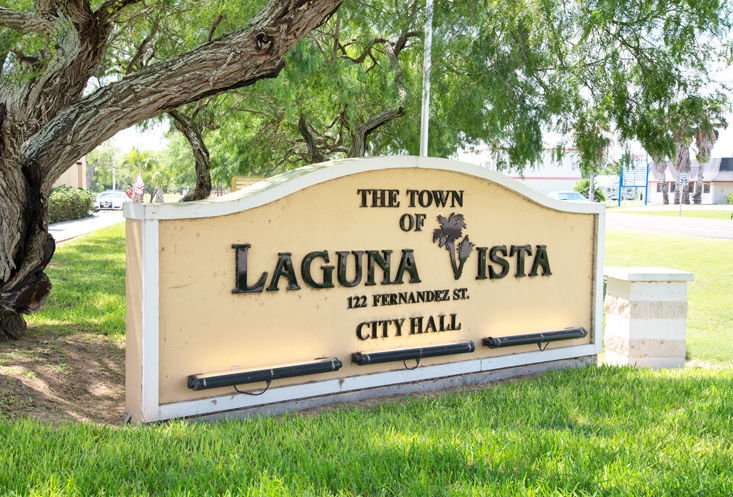
Laguna Vista’s Strategic Planning for Emergency Services: A Vision for the Future
Overview of Laguna Vista’s Growth
The Rio Grande Valley has emerged as one of the fastest-growing regions in the United States. Its appealing climate, coupled with significant economic and educational advancements, makes it a sought-after location for retirees from northern states and immigrants from southern areas. As this growth trajectory continues, it becomes increasingly crucial for public services, particularly emergency services, to evolve and expand accordingly.
Proactive Measures for Emergency Response
Recognizing this need, Laguna Vista officials have initiated a forward-thinking planning process. Recently, they applied for a $7.76 million grant from the federal Economic Development Administration aimed at establishing a comprehensive emergency response center. This facility is intended to serve all of Cameron County, with a particular emphasis on supporting smaller towns and unincorporated areas that lack dedicated emergency response units.
The Need for a Centralized Emergency Facility
Laguna Vista’s strategic location in the Valley has made it a natural staging area for emergency operations. At present, the small volunteer fire station serves this role, but officials have identified it as insufficient for the growing demands. Fire Chief Neil Waters has pointed out that the existing setup is outdated and unable to meet the needs of a rapidly expanding population.
Infrastructure Challenges
Currently, Laguna Vista relies on the city hall as its only publicly owned electric generator. In emergency scenarios, various organizations vie for its use, leaving crucial services potentially compromised. The proposed emergency response center could feature dedicated energy resources, such as a solar power system, wind turbine, or advanced battery storage solutions, ensuring uninterrupted service during power outages caused by severe weather or other emergencies.
Addressing Potential Risks
While the Valley has been fortunate to avoid severe hurricanes in recent years, the threat of tropical storms remains ever-present. Past events have demonstrated the vulnerability of infrastructure, leading to power outages and flooding. Additionally, the establishment of the Starbase rocket launch facility at Boca Chica Beach introduces new risks, such as potential explosions from rocket failures. Although no casualties or major property damage have been reported, continuously assessing and mitigating these risks is vital for public safety.
Historical Context of Emergency Needs
The value of a well-equipped countywide emergency response center became evident during the partial collapse of the Queen Isabella Causeway in September 2001. Emergency teams from across the Valley were deployed, illustrating the insufficient resources available for major incidents that overwhelm individual communities. Accidents along the I-69 expressway often require far more emergency responders than small towns can provide, highlighting the necessity of a centralized emergency facility.
The Importance of Forward-Thinking Planning
Creating a robust emergency response infrastructure requires not only visionary leadership but also strategic allocation of resources. Proactively addressing these needs allows officials to develop facilities in manageable phases, mitigating the risk that resources will be rapidly depleted in the event of a sudden emergency.
Seeking Additional Funding Sources
Even with the federal grant, it is crucial to recognize that this funding will likely not cover the entire cost of the new emergency center. Officials will need to explore additional funding avenues through local government, state assistance, or public-private partnerships to fully realize the project. Early-stage planning enables these leaders to assess resources, identify potential funding sources, and implement infrastructure before it’s urgently needed.
Conclusion: A Community Committed to Safety
Laguna Vista’s foresight in embarking on this planning initiative reflects a commitment to ensuring community safety amidst growth. By prioritizing infrastructure for emergency services now, officials are laying the groundwork for a more resilient and prepared region. This strategic approach not only serves the current population but also positions the Valley to better handle future challenges.
For more about emergency preparedness in your area, visit FEMA or learn about local resources on emergency management.
