


Exploring the Enchanting Charm of the Rio Grande Valley
Introduction to the Magic Valley
Nestled in the southernmost region of Texas, the Rio Grande Valley (RGV) offers a unique blend of culture, history, and breathtaking landscapes. Known affectionately as the "Magic Valley," this vibrant expanse encompasses nearly 5,000 square miles across four counties: Starr, Hidalgo, Cameron, and Willacy. Home to a population rich in diversity—over 90% of whom identify as Hispanic—the Valley is a vibrant tapestry of tradition, innovation, and natural beauty.
A Journey Through the Valley’s Landscape
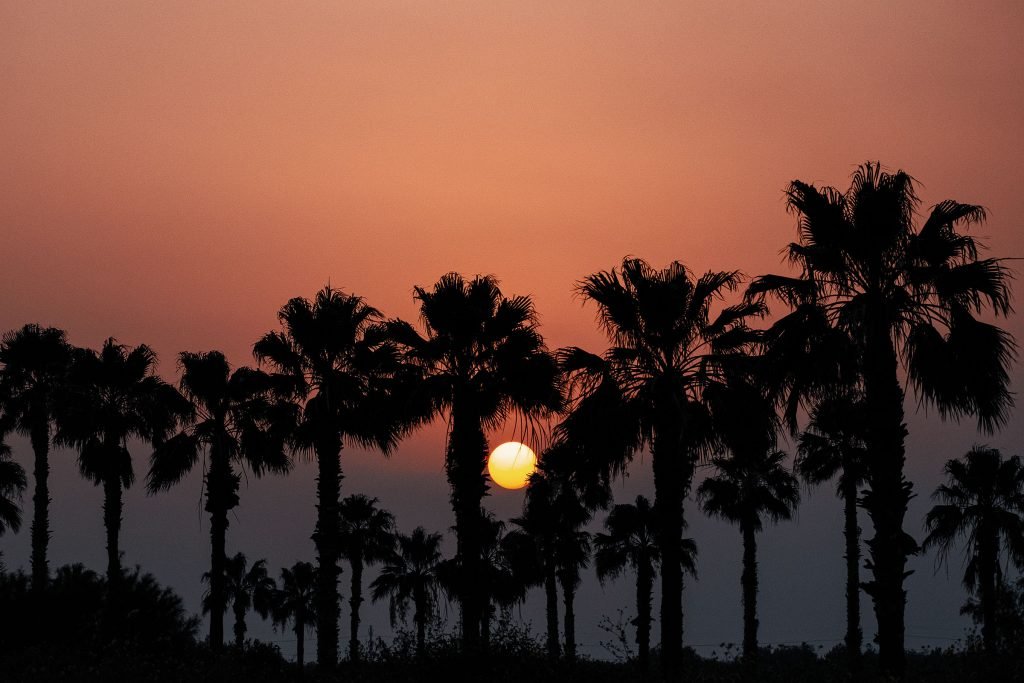
As you travel south on US 281, the welcoming palm trees rise before you, a sure sign that you’ve arrived in the Rio Grande Valley. The land stretches endlessly, devoid of mountains or skyscrapers, creating a sense of vastness that is both inviting and nostalgic. While the summer heat can be stifling, the evenings bring a refreshing breeze, a gentle reminder of the beauty and warmth of this unique region.
The Valley’s climate is predominantly warm, with December temperatures rarely dipping below pleasant. City names like McAllen, the "City of Palms," and Harlingen echo through the highway signs, welcoming travelers into a realm defined by citrus groves, rich soil, and agricultural bounty. The region is renowned for its citrus production, picturesque beaches at South Padre Island, and world-class bird-watching opportunities.
A Rich Cultural Fabric
The Rio Grande Valley boasts one of the highest Latino populations in the United States, fostering a rich cultural intermingling. Despite its size, the RGV is a tight-knit community where many residents find themselves just a couple of degrees away from one another. If you ask locals about their origins, you’ll likely hear tales of generations rooted deeply in this land, or stories of families migrating from just across the border.
In a rapidly changing world, the region remains anchored in its traditions. The Valley thrives on its rich cultural heritage, with abundant celebrations and festivals reflecting its unique Tex-Mex identity. Events like MXLAN in McAllen showcase the power of unity and creativity through dance, music, and culinary delights that blend both cultures.
The Historical Context of the Valley
The term "Magic Valley" was first popularized in the early 20th century when developers began to harness the region’s agricultural potential. John Closner, a notable figure in RGV’s history, was integral in transforming the area through extensive irrigation systems that still run today. The region’s fertile lands and sunny climate quickly attracted settlers and investors, marking a turning point in the Valley’s agricultural landscape.
However, the development of the Valley came with substantial changes: native flora and fauna suffered, and local ranchers faced conflict as newcomers claimed territory. Spanish colonization in the 1500s and the subsequent influx of settlers led to a complex socio-political history that has shaped the Valley into what it is today.
Nature and Conservation Efforts
Today, the Valley is not just about agricultural bounty. It is home to the Bentsen-Rio Grande Valley State Park, a crucial conservation area offering a glimpse into the natural beauty of the region. Here, you can encounter diverse wildlife and explore a variety of native plant species. Birdwatchers flock to the park to observe the remarkable birdlife, further highlighting the area’s ecological significance.
As the Valley faces challenges such as dwindling water resources, conservation efforts are paramount to preserving the land for future generations. Existing agricultural practices and the natural ecosystem are inextricably intertwined, and restoring balance is essential for the sustainability of both.
Embracing the Future: Revitalizing the Valley
The Valley stands at the cusp of change, balancing tradition and modernity as a new generation of locals work to carve out their identity. Emerging entrepreneurs are transforming spaces, reimagining local businesses, and cultivating a vibrant arts and cultural scene. Coffee shops, boutiques, and restaurants with a distinctly Valley personality are gaining traction, inviting those from outside the area to enjoy its unique flavors and experiences.
In cities like Brownsville and Harlingen, revitalization efforts focus on celebrating local heritage while adapting to contemporary needs. The National Main Street America program supports these efforts, enhancing community engagement and economic growth.
An Indelible Spirit
At the heart of the Valley, a spirit of resilience and community fosters hope and progress. Local leaders and residents, proud of their heritage, work tirelessly to cultivate a sense of identity that honors the past while welcoming the future. They understand that the Magic Valley isn’t solely about its landscapes or crops—it’s about the people who call it home and their dedication to nurturing the land and each other.
As you explore the Rio Grande Valley, from bustling McAllen to historic Brownsville, you’ll discover a place that is undeniably rich in community spirit, cultural depth, and natural beauty. Whether you’re indulging in authentic Mexican cuisine, perusing local markets, or engaging in lively celebrations, the Valley offers a true sense of connection and belonging.
Conclusion
As the Rio Grande Valley continues to evolve, it stands as a testament to the resilience of its people and the enduring allure of its landscapes. The story of the Valley is one of transformation, hope, and mutual support—a vibrant mix that resonates through its past and shapes its future. As the sun sets over the horizon, casting a golden glow over the palm trees, you can’t help but feel the enchantment of the Magic Valley—an extraordinary part of Texas with a legacy worth embracing.
For more about the Rio Grande Valley, check out resources like the Museum of South Texas History or see stunning views from the South Padre Island beaches and explore vibrant local food scenes showcasing Tex-Mex favorites and native delicacies.
