


U.S. Department of Homeland Security Faces Government Shutdown: What Travelers Need to Know
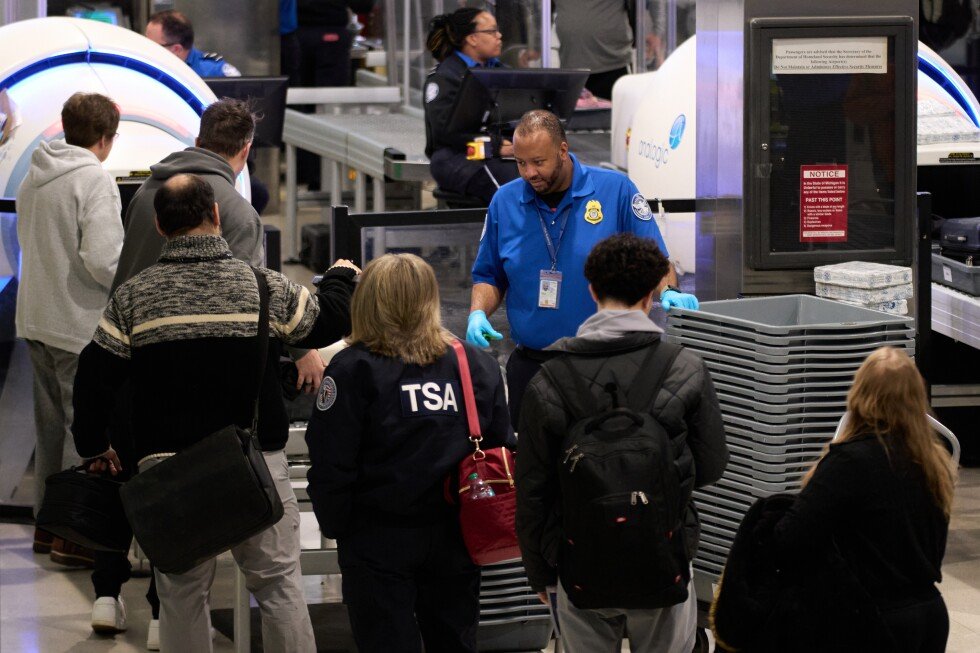
A recent shutdown of the U.S. Department of Homeland Security (DHS) began on Saturday, directly affecting the agency responsible for security screening of passengers and baggage at airports nationwide. Airline travelers may find themselves recalling the troubling 43-day government shutdown from last year, which resulted in significant flight cancellations and extended delays. As the current shutdown unfolds, understanding its ramifications is crucial for anyone planning to fly.
How This Shutdown Differs from Past Events
Funding for the DHS expired at midnight, while the remainder of the federal government is secured through September 30. This particular circumstance means that air traffic controllers employed by the Federal Aviation Administration (FAA) will continue to receive their salaries, potentially reducing the likelihood of mass flight cancellations.
According to the DHS’s contingency protocols, about 95% of Transportation Security Administration (TSA) personnel are classified as essential and will continue their duties without pay. However, tension is mounting as Democrats in the House and Senate express their unwillingness to approve further funding until new immigration restrictions are established.
Historically, disruptions related to government shutdowns have built over time rather than occurring instantaneously. For instance, during last year’s shutdown, TSA checkpoints at Philadelphia International Airport were temporarily closed about a month in, prompting the government to instruct airlines to decrease domestic flight schedules significantly.
Concerns from Frequent Travelers
Travelers like John Clark, who recently arrived at Detroit Metropolitan Airport, are already feeling apprehensive about the potential impacts of this new shutdown. “If you’re already out, you might find it hard to get home. If you’ve worked all week and you’re trying to get back, it could get really bad,” he expressed, highlighting the stress that extended airport wait times could create.
Business experts are sharing similar concerns. John Rose, the chief risk officer for global travel management company Altour, indicates that the effects could be felt more rapidly this time due to TSA employees’ recent memories of the previous shutdown, raising worries about their commitment levels when working under similar conditions.
Impacts on Travelers: What to Expect
Predicting the exact timelines or locations for security delays remains challenging. A small number of unscheduled TSA absences could lead to longer wait times, particularly at smaller airports where a single security checkpoint may be in use. To mitigate these risks, travelers are encouraged to arrive at the airport earlier than usual, allowing additional time for security checks.
Rich Davis, a senior security adviser at International SOS, notes that flight delays could also arise. Airlines may opt to postpone departures to allow passengers sufficient time to complete security checks, particularly given that the TSA may be understaffed.
Burnest R. Green, who traveled from Phoenix for a family birthday gathering, shared his hope for resolution: “I just want the shutdown to end before I fly back next week. Things need to improve before they worsen.”
Preparing for Travel During the Shutdown
As the situation develops, it’s wise for travelers to proactively prepare for potential delays. Most airports offer real-time updates on security line wait times via their websites. Travelers should not wait until their flight day to check these times, as conditions can change rapidly.
“It’s essential to check well in advance,” Rose cautioned. “Finding out there’s a two-and-a-half-hour wait only when you’re already close to your flight can be stressful.”
Moreover, being vigilant while packing is crucial. To speed up the security process, travelers should avoid bringing full-size liquids, large gels, aerosols, or prohibited items like knives in their carry-on luggage. The TSA provides comprehensive lists detailing what is permissible in carry-on and checked bags.
Practicing Patience and Understanding
At the airport, maintaining patience and empathy for TSA personnel is essential. Many employees will continue to work without pay and may be managing reduced staff levels while handling frustrated travelers.
Future Outlook: Will the Shutdown Continue?
Discussions between the White House and Democratic lawmakers continue, but a consensus was not reached by the end of the week, as lawmakers prepared for a 10-day legislative recess. However, both the House and Senate have been advised to be ready to return if a funding agreement materializes.
Democrats have indicated that they will not support further DHS funding until new immigration enforcement measures are put in place, following recent incidents prompting public concern.
Trade groups representing the travel industry, airlines, and hotels have issued urgent warnings regarding the ongoing shutdown. They assert that it threatens to disrupt air travel, especially during the busy spring break travel season, causing heightened risks of delayed flights and increased wait times.
Travelers and the economy depend on TSA personnel being compensated fairly, as working without pay can lead to higher rates of unscheduled absences and ultimately, missed flights.
As this situation evolves, staying informed and prepared will be critical for all travelers.
