


Resilience Amidst Adversity: The Challenges of Infrastructure in South Texas
Understanding the Landscape of South Texas
On a typical sunny day in South Texas, rural landscapes merge with urban life, yet the reality for many residents in communities like Brownsville is starkly different. Situated in Cameron County, Brownsville is part of a rapidly growing region along the Rio Grande Valley, home to about 1.43 million people. Unfortunately, this area has been labeled by the Wall Street Journal as one of the poorest regions in the United States, with the city of Brownsville recently ranked as the second "neediest" city in the nation.
Infrastructure Under Strain
Lack of investment in infrastructure is endemic. Essential services like electricity and water are not only inconsistent but often unreliable. Power outages frequently disrupt daily life, particularly during gusty winds, storms, or periods of heightened electricity consumption during extreme heat. Water service, which is often fraught with shortages and boil-water advisories, presents an even graver issue, with some residents lacking access to running water entirely.
The deterioration of infrastructure can largely be attributed to inadequate funding and mismanagement of municipal resources. Additionally, the predominantly brown, Indigenous, or Latine population faces acute poverty that compounds these struggles. A recent study revealed that 42.2 percent of children in McAllen and 39.2 percent in Brownsville-Harlingen live below the poverty line, often caught in a cycle of food, health, and housing insecurity.
Climate Change: An Intensifying Factor
South Texas is not immune to the escalating effects of climate change. The region has experienced an increasing number of state-declared disasters, with Cameron County Emergency Management reporting an average of nearly six disasters each year between 1953 and 2024. Recent catastrophic events, such as Winter Storm Uri and record-breaking flooding, highlight the necessity for proactive disaster preparedness and response strategies.
As climate-related problems intensify, residents have begun to devise their own solutions for survival in daily life and during emergencies.
Community-Centered Solutions: Just Recovery Kits
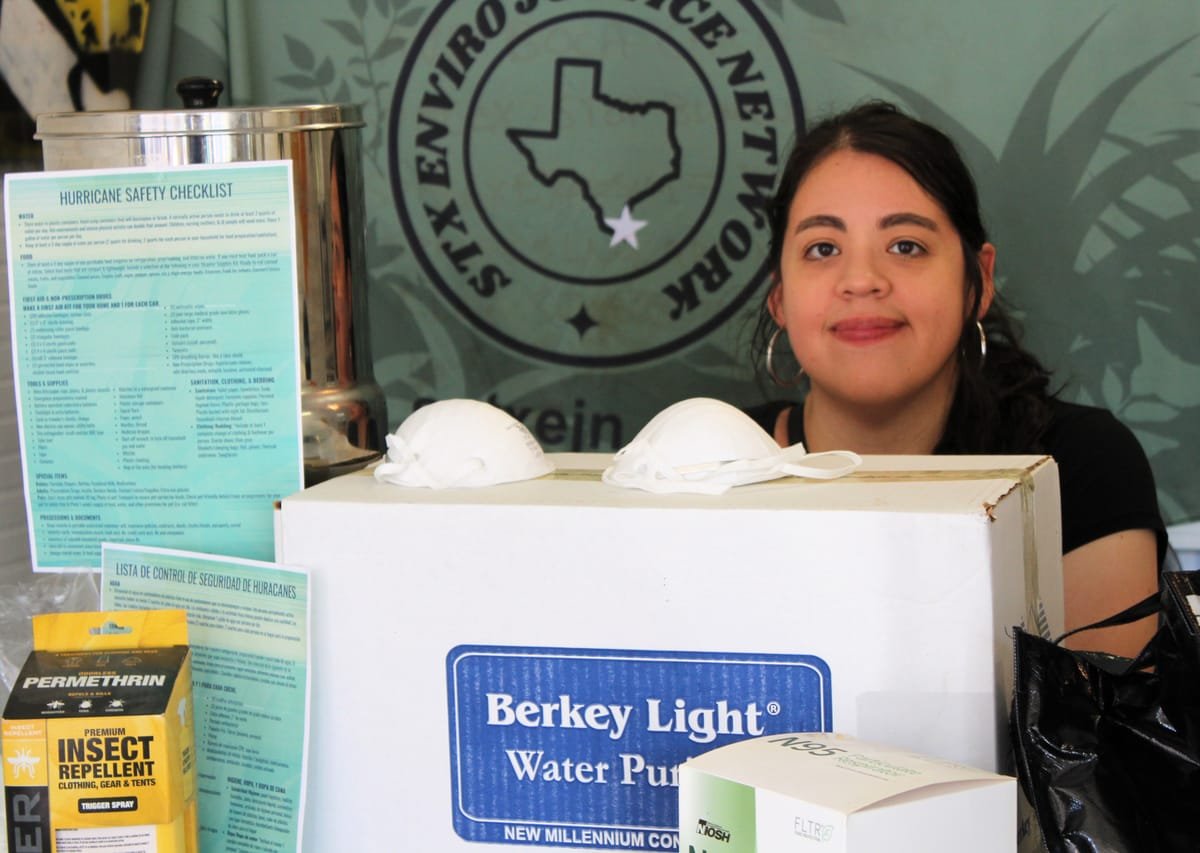
In light of these challenges, community organizations have mobilized to support those most affected by disasters. The South Texas Environmental Justice Network (SOTXEJN) has emerged as a frontrunner in this endeavor, fostering community resilience through initiatives like the Just Recovery Kits. This project aims not only to assist families in immediate survival during climate crises but also to aid them in their day-to-day lives.
Tailored Resources for Vulnerable Families
Each Just Recovery Kit is custom-made based on the specific needs of families. Essential items may include:
- High-quality water filtration systems
- Large water storage jugs
- Carbon monoxide detectors
- Non-toxic insect repellent
- Solar battery charging systems
- Personal Protective Equipment (PPE)
The kits are thoughtfully assembled to ensure that vulnerable families have the tools they need for survival—especially when the everyday necessities often take precedence over emergency preparations.
Rising Awareness and Education
Amidst challenges from public utilities like the Brownsville Public Utilities Board (BPUB), residents are increasingly vocal about their needs. Ongoing issues related to water quality and rising electricity costs highlight the necessity for community advocacy. For instance, Dina Nuñez, a community organizer, frequently uses her recovery kit, especially the water filtration system, as her tap water has been tested and shown to be contaminated.
As demand for infrastructure improvements grows, local organizations are working to develop a network—or "resilience hub"—that can disseminate vital information and resources to families in need during emergencies.
Conclusion: A Call for Sustainable Solutions
The relentless challenges faced by the residents of South Texas highlight the urgent need for sustainable solutions. While grassroots organizations and community initiatives like the Just Recovery Kits offer immediate relief, systemic change is crucial for long-term resilience. Addressing infrastructure issues, investing in public services, and advocating for the needs of marginalized communities are essential steps toward a future where social and economic equity can flourish.
For further information on climate resilience and community advocacy, consider exploring resources such as Environmental Justice and Disaster Preparedness.
