


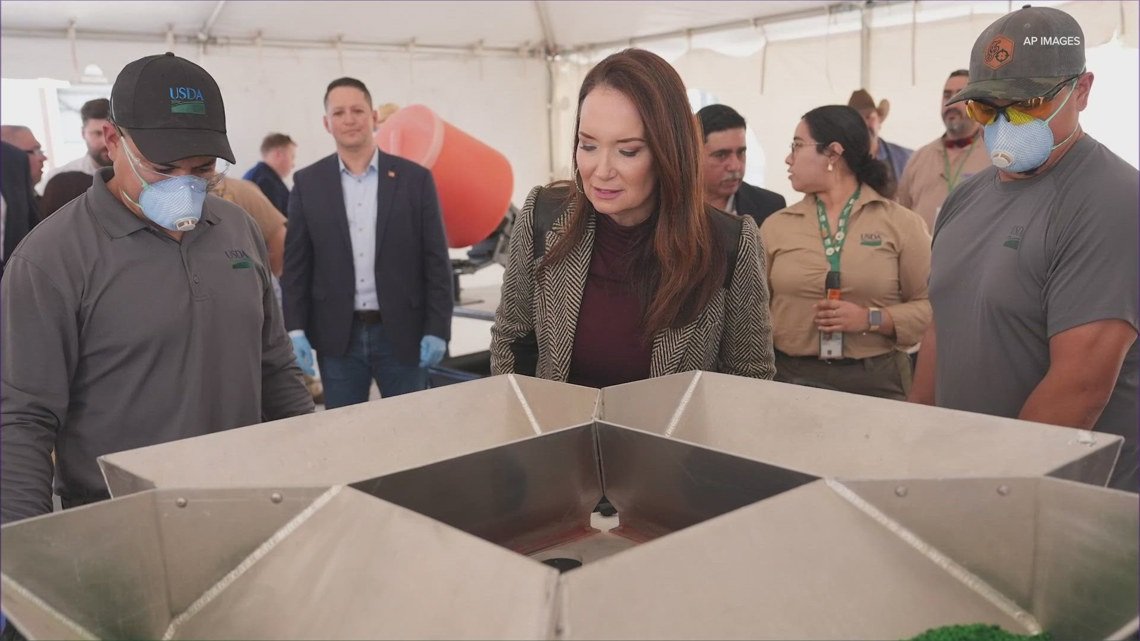
New Facility in Rio Grande Valley Aims to Combat Screwworm Infestation
A new facility has recently opened in the Rio Grande Valley of Texas, designed specifically to tackle the growing threat of the screwworm, a notorious insect that poses significant risks to livestock and wildlife. This initiative marks an important step towards safeguarding agricultural interests and maintaining ecological balance in the region.
Understanding the Screwworm Threat
Screwworms, particularly the New World screwworm (Cochliomyia hominivorax), are notorious for infesting live animals, leading to severe economic losses for farmers and ranchers. These parasitic flies lay their eggs in open wounds of mammals, and the larvae that hatch can cause extensive damage and even death if left untreated. With a resurgence of screwworm cases reported in several areas, this facility aims to mitigate this potentially devastating threat.
For more information about screwworms and their impact on agriculture, you can visit USDA’s Agricultural Research Service.
The Facility’s Purpose and Capabilities
The newly inaugurated facility is equipped with state-of-the-art technology aimed at controlling and ultimately eradicating the screwworm population. The program focuses on sterilizing male screwworms and releasing them into the wild. This process disrupts the breeding cycle, significantly reducing the chances of infestation.
What Makes This Facility Unique?
-
Sterilization Process: The facility uses cutting-edge radiation techniques to sterilize male screwworms, ensuring that the pests cannot reproduce. When released, these sterile males mate with females, resulting in no viable offspring.
-
Monitoring and Research: Continued monitoring of screwworm populations and conducting research on pest control methods will enable the facility to adapt and improve its strategies over time.
- Partnerships and Collaboration: This initiative involves collaboration between local agricultural bodies, wildlife conservation groups, and government agencies, creating a united front against the screwworm threat.
For those interested in learning more about partnership efforts in pest control, International Association for the Plant Protection Sciences provides additional insights and resources.
Importance for Local Economy and Agriculture
The establishment of this facility is vital for local farmers who depend heavily on livestock for their livelihoods. By preventing the screwworm outbreak, the facility not only protects animals but also helps sustain the state’s economy. The Texas economy, significantly bolstered by agriculture and livestock, cannot afford a downturn caused by agricultural pests.
Moreover, this initiative aligns with broader environmental goals, as maintaining a healthy livestock population contributes positively to ecosystems.
What Farmers Can Do
Farmers are encouraged to remain vigilant and report any signs of screwworm infestation immediately. Early detection plays a critical role in preventing widespread infestations. Utilizing resources and education provided by local agricultural extensions can further empower farmers to manage potential threats effectively.
The Broader Picture
The fight against screwworms is not just limited to Texas; it reflects a global challenge in managing invasive species that threaten both agriculture and biodiversity. The technological innovations developed at this facility may serve as a model for other regions facing similar issues.
Stay Informed
For ongoing updates about agricultural practices, pest management, and more, consider following reputable sources like the Texas A&M AgriLife Extension or subscribing to local agricultural newsletters.
In conclusion, the opening of this facility represents a significant commitment to protecting Texas agriculture and wildlife from the screwworm menace. With collaborative efforts, technological advancements, and community engagement, there is hope for a future where screwworm infestations are effectively managed, safeguarding both economy and environment.
