


COVID-19 Devastation in Texas’ Rio Grande Valley: Birth Amidst Loss
EDINBURG, Texas — In the heart of the Rio Grande Valley, the COVID-19 pandemic has cast a heavy shadow over the community, bringing heartbreak and upheaval. Recently, a mother and her newborn symbolize both the fragility of life and the profound challenges unfolding amid the health crisis.
A Newborn’s Fight for Life
At just two days old, David Alejandro Vega weighed a mere three pounds, his tiny arms and legs stretching from the confines of his neonatal intensive care incubator. Unfortunately, he had not been able to touch his mother, Mayra Vega, who was quarantined in a COVID-19 ward across the hospital. Mayra, 27, like many pregnant women during this pandemic, delivered her son several weeks premature via cesarean section.
Access to her son was restricted to glimpses through photographs as nurses captured fleeting moments on computer screens. Thankfully, David tested negative for the virus, an indication of hope amidst the challenges. Mayra, who expressed gratitude from her isolated room, remarked, “If he’s OK, I’m OK. It doesn’t matter how long it takes” to hold him close.
A Community in Mourning
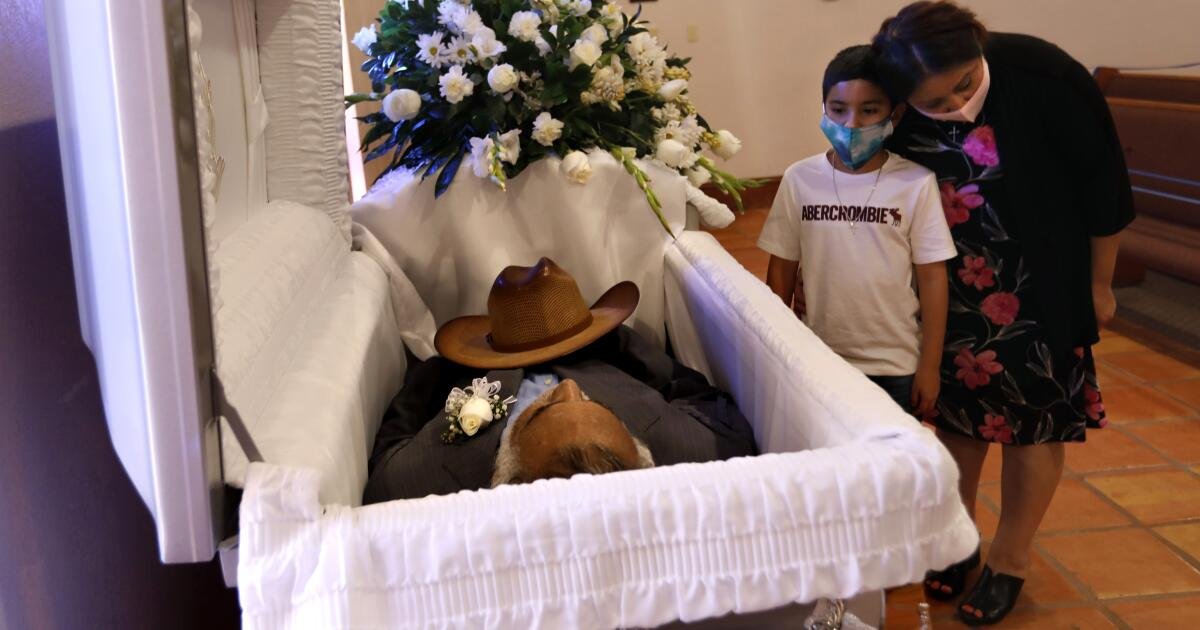
The pandemic’s impact on South Texas has been devastating, disrupting long-standing cultural traditions surrounding birth and death. The region, recognized as one of the poorest and hardest-hit areas in the country, has been plagued by loss. As of this month, the COVID-19 death rate in the valley stood at 17 per 100,000 people, a rate far exceeding the state’s average of 3 per 100,000.
With the virus claiming lives indiscriminately, the streets echo with whispered names of the departed. The deaths occurring within extended Tejano families, many of whom lack health insurance, are compounded by high rates of obesity and diabetes—conditions that heighten vulnerability.
A Wave of Deaths and Despair
In June, Texas’ Rio Grande Valley saw a surge of COVID-19 cases following its reopening, leading to increased hospitalizations. As families gathered for church and celebrations, the results were dire. Local hospitals are now overwhelmed, and crematoriums struggle to keep pace with demand, often backed up for weeks.
Dr. Carlos Cardenas, the chief executive of Doctors Hospital at Renaissance, expressed, “It’s hard to find colleagues whose family hasn’t been touched by death.” This sentiment reverberates through every corner of the valley—a landscape suddenly full of grief.
Community Resilience and Strain
Hospital staff are stretched thin, with many experiencing burnout amidst overwhelming patient loads. Temporary COVID-19 units have been established in hospitals to accommodate the rising number of cases. As local hospitals like DHR Health establish additional beds for COVID patients, healthcare workers face shortages of medications and respiratory staff.
Dr. Ivan Melendez, Hidalgo County’s health director, accentuated the urgency of the situation, stating, “The hospitals are a mess.” His recent decision to delay the start of county schools reflects the frustration of managing a crisis in a community facing such relentless challenges.
The Cost of Celebration
Celebrations that once brought joy have instead resulted in mourning. Families, eager to reunite for significant life events, now face the reality of losing loved ones. For instance, Fernando Aguirre, who passed from COVID-19 after attending a family graduation party, is one of many such stories of loss. His son Freddie Aguirre, aware of the danger, had advised against participating in the gathering, highlighting the confusion surrounding safety amidst a crisis.
With grave sites filled beyond capacity, workers at La Piedad Cemetery in McAllen face unprecedented workloads. They dig graves by hand as the backhoe breaks down from overuse, a stark symbol of the collective grief that grips the community.
Unity in Creativity and Celebration
Despite the hardships, moments of joy emerge alongside the grief, demonstrating the resilience of the local culture. Recent weddings, such as that of two nurses at Our Lady of Guadalupe Catholic Church in Mission, offered a glimmer of hope. The masked ceremony, attended by distanced guests, provided a poignant reminder that life continues amidst the turmoil.
As faith leaders adapt, weddings still take place, albeit with precautions. The church services continue, offering solace to grieving families, who must now navigate the fine line between healing and loss.
The Road Ahead for the Rio Grande Valley
The battle against COVID-19 remains ongoing in the Rio Grande Valley. While hospitals brace for continued challenges, communities rally with prayers and support. The landscape, rich in culture and tradition, now finds itself at a crucial crossroads—where loss intertwines with the hope of new beginnings.
The unyielding spirit of the families here, illustrated vividly by the struggles of Mayra Vega and her newborn, serves as a testament to resilience against the backdrop of loss. Though the valley faces its darkest days, the community remains united in hope and strength, patiently awaiting the embrace of loved ones, both lost and found once more.
For more information on COVID-19 in Texas, visit the Texas COVID-19 Dashboard for state-level statistics and health recommendations.
Learn about how to support healthcare workers during the pandemic.
