


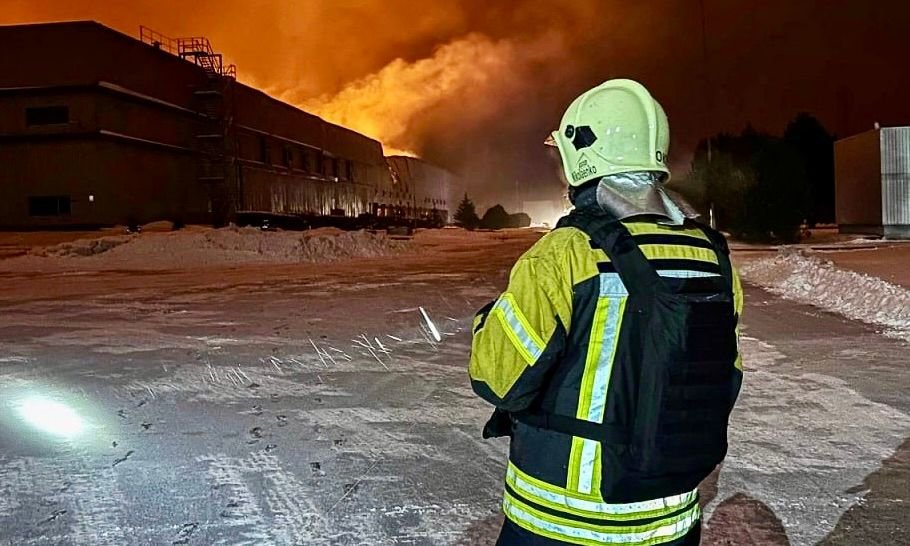
Russia Launches Mass Attack on Ukraine’s Energy Infrastructure Amid Freezing Temperatures
On February 7, 2023, Russia executed a large-scale assault on Ukraine’s energy infrastructure that triggered emergency power outages across the vast majority of the country. This aggressive move coincides with a significant drop in temperatures, raising concerns over the stability of the energy network as the forecast predicts temperatures in Kyiv plummeting to –19 degrees Celsius (–2 degrees Fahrenheit).
Key Targets of the Attack
According to Energy Minister Denys Shmyhal, Russian forces systematically targeted essential components of Ukraine’s power grid during this assault. High-voltage substations and major transmission lines, including 750-kilovolt and 330-kilovolt overhead lines, are integral to the country’s electricity distribution. Critical power generation facilities, such as the Burshtyn and Dobrotvir thermal power plants located in western Ukraine, also suffered damage, hampering the nation’s energy production capabilities.
Impact on Energy Companies
DTEK, which is Ukraine’s largest private energy provider, reported substantial damage to equipment within its thermal power plants. The attack marked Moscow’s 220th strike against thermal generation facilities since the onset of the full-scale invasion in 2022, highlighting the ongoing challenges faced by the energy sector.
Widespread Damage Across Regions
Attacks were reported not just in Kyiv but across various western regions of Ukraine. Areas including Khmelnytskyi, Rivne, Ternopil, Ivano-Frankivsk, and Lviv oblasts were targeted by Russian forces. As a result of these coordinated attacks, emergency power outage schedules were instituted nationwide, reflecting a multi-stage system of outages that could reach up to 5 stages.
Emergency Responses and Assistance Requests
Shmyhal stated that additional emergency measures had been enacted particularly in eastern and northern regions of Ukraine. As part of the response efforts, Ukraine’s grid operator, Ukrenergo, has requested emergency electricity assistance from Poland, aiming to stabilize the energy supply as rapidly as possible.
"Energy workers are prepared to start restoration efforts as soon as conditions permit," Minister Shmyhal remarked, indicating readiness despite the dire circumstances.
Systematic Targeting of Energy Infrastructure
Since the beginning of its full-scale invasion, Russia has consistently focused on attacking Ukraine’s energy infrastructure. Such targeted assaults have not only led to blackouts but have also exacerbated the humanitarian crisis within the country, emphasizing an ongoing strategy that aims to undermine Ukraine’s resilience.
Diplomatic Context and Humanitarian Concerns
This latest escalation occurs against a backdrop of worsening diplomatic tensions, with Moscow intensifying attacks on civilian energy infrastructure. Ukrainian officials assert that these actions are attempts to pressure Kyiv into acquiescing to Russia’s demanding peace negotiations. The Security Service of Ukraine has labeled the ongoing targeting of civilian power facilities as a potential crime against humanity.
Ukrainian authorities have cautioned that the energy situation remains "extremely serious," indicating that immediate efforts to restore and stabilize the grid are critical as freezing temperatures pose additional challenges to both the infrastructure and the population.
Conclusion
The situation in Ukraine underscores the fragile state of the country’s energy infrastructure amid ongoing conflict. With Russia’s calculated attacks targeting power generation and distribution capabilities, the need for urgent international assistance and robust diplomatic solutions is more pressing than ever. The attacks not only underscore the vulnerabilities in Ukraine’s power supply but also reflect a broader strategy of aggression that has significant implications for people’s daily lives amid extreme winter conditions.
For further updates, please refer to Kyiv Independent for ongoing coverage of the energy crisis in Ukraine and international responses to the ongoing conflict.
