


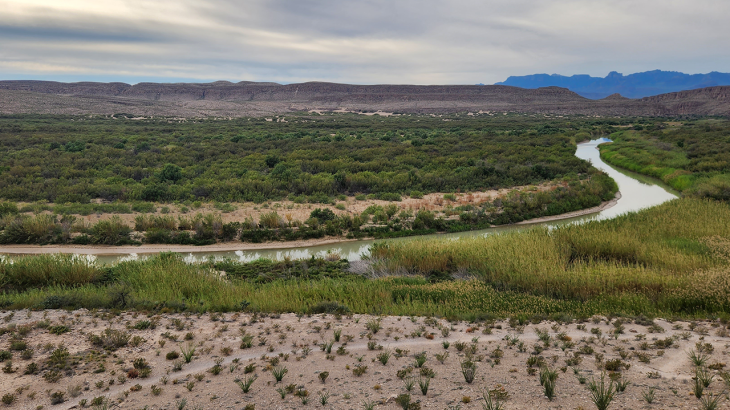
Urgent Water Crisis in South Texas: Awaiting Resolution on Mexico’s Treaty Obligations
SAN BENITO, TEXAS (RFD NEWS) — The agricultural community in South Texas is on high alert as Governor Greg Abbott announces potential developments regarding Mexico’s overdue water payments under a vital 1944 international agreement. This situation generates cautious optimism amid years of severe water shortages faced by farmers and ranchers.
The Significance of the 1944 Water Treaty
The 1944 Water Treaty between the United States and Mexico outlines obligations for water sharing from the Rio Grande. However, Mexico has accrued a significant deficit of several hundred thousand acre-feet in its water deliveries, leading to dire consequences for the agricultural sector in the Rio Grande Valley.
Impact on Local Agriculture
Texas State Representative Janie Lopez, who represents District 37, highlights the severe ramifications of this water shortfall. "Our agriculture has been devastated," she explains. Her district is home to a once-thriving sugar mill that has since ceased operations after more than half a century. Furthermore, thousands of acres of farmland have been left barren due to insufficient irrigation.
“We’ve lost the sugar mill and seen thousands of acres of cotton left fallow,” Lopez expressed. “Our farmers are shutting down thousands of acres daily. Hope is dwindling. Even if we received the water now, it might be too late.”
A Troubled Landscape for Farmers
Among those grappling with these challenges is the England Cattle Company based in Mercedes, TX. Owner Benton England laments the impact of ongoing water shortages that have hampered his ability to operate at full capacity for nearly five years.
“We haven’t been able to farm our full farm for about this, will be going into our fifth year now,” he states. “No water means no farming.”
Recent Developments: A Glimmer of Hope?
In late 2022, Mexico agreed to deliver 202,000 acre-feet of water by the end of March, with deliveries slated to commence around December 15. However, recent reports from Lopez indicate that the Amistad/Falcon reservoir near her district remains worryingly low, at just over 27 percent capacity. This raises doubts regarding the fulfillment of Mexico’s commitments.
Frank McCaffrey, a correspondent for RFD News, states that skepticism abounds among local farmers. “Most farms here report the devastating impacts of Mexico not meeting its water payment obligations. Many wonder if Mexico will ever fully comply,” he remarks.
The Need for Long-term Solutions
In light of the current crisis, Texas state leaders are actively seeking long-term solutions to safeguard the future of agriculture against recurring droughts. Lopez emphasizes the urgent need for robust water systems that do not rely solely on unpredictable rainfall patterns, particularly given Mexico’s historical failures to deliver on its obligations.
England posits that enhanced enforcement measures could also contribute to resolving these issues. “The discussion around tariffs is worth exploring,” he says. “That has proved to be a strong tool for ensuring accountability.”
Additionally, weather conditions such as a strong hurricane could replenish southern Texas’s reservoirs, temporarily alleviating the situation before Mexico fulfills its obligations, possibly prolonging the crisis.
Continued Pressure from U.S. Officials
Democratic U.S. Representative Vicente Gonzalez (TX-34) has expressed strong sentiments about the ongoing issue. His office released a formal statement stressing the significance of insisting on timely water payments to the U.S. under the 1944 Water Treaty.
“Far too often, Mexico fails to meet water payment deadlines, leading to severe shortages for farmers and ranchers in the Rio Grande Valley,” Gonzalez stated. “As USMCA renegotiations happen this year, it is crucial to ensure better enforcement of our agreements.”
Conclusion: Awaiting Relief
Texas officials remain steadfast in their commitment to holding Mexico accountable, as the agricultural community in South Texas anxiously awaits relief. The situation underlines the fragility of agricultural resources and the urgent need for collaborative international efforts to address water scarcity issues.
For further information regarding agricultural policies and water management strategies, visit USDA and Texas Agriculture.
