


Customs Officers Detain Woman Attempting to Smuggle Spider Monkeys and a Person
Overview of the Incident
A recent incident at the B&M International Bridge in Texas has raised serious concerns regarding wildlife smuggling and human trafficking. Natalee Espinoza, a U.S. citizen, was arrested after U.S. Customs and Border Protection (CBP) officers discovered she was attempting to smuggle a Mexican citizen along with three endangered Mexican spider monkeys hidden inside a backpack. This alarming situation highlights the critical need for increased vigilance regarding wildlife protection and border security.
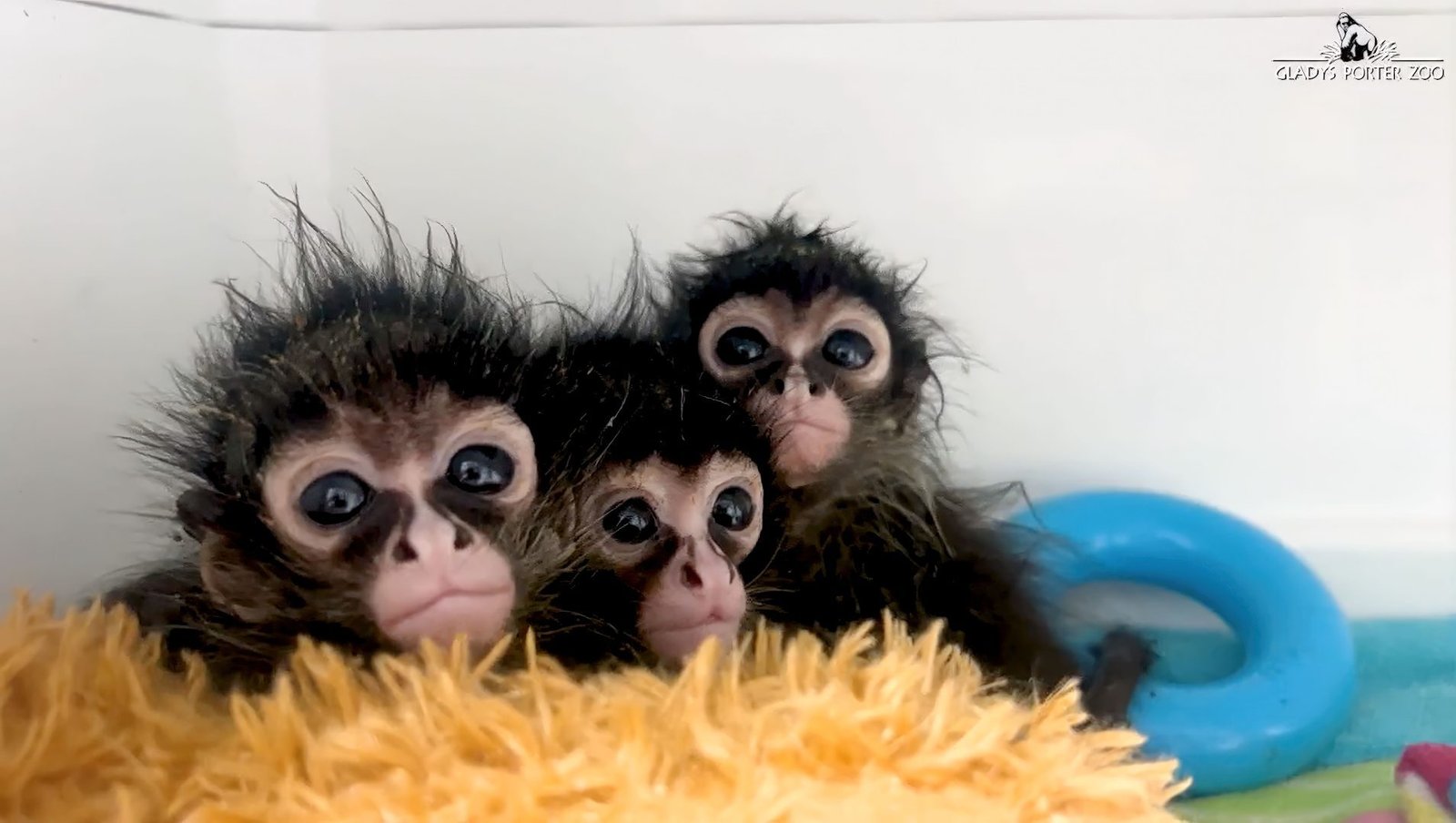
In this courtesy file photo, three spider monkeys are pictured as the Gladys Porter Zoo takes care of 19 Mexican spider monkeys. The majority of those animals were seized by federal officials in smuggling cases between March and May 2024. (Courtesy: GPZ)
Details of the Arrest
On Wednesday, at approximately 6:57 a.m., Espinoza was stopped while driving a white Ford Explorer with her children and a passenger, initially identified as Natalie Rivera. Upon inspection, Rivera provided a birth certificate claiming to be a U.S. citizen. However, inconsistencies in her responses prompted officers to conduct a secondary inspection. A database check revealed that Rivera’s true identity was Claudia Cristal Reyes Hernandez, a Mexican citizen born in Matamoros.
Discovery of the Smuggled Monkeys
During the secondary inspection, CBP officers searched Espinoza’s vehicle and found a backpack that contained three Mexican spider monkeys, wrapped in blankets. This shocking discovery led to an interview with Homeland Security Investigations (HSI) agents, where Espinoza confessed to having smuggled monkeys into the U.S. on five previous occasions, delivering them to various locations in Brownsville, Texas.
Human Trafficking Charges
In addition to wildlife trafficking, Espinoza admitted to attempting to smuggle a person using counterfeit documents, for which she was reportedly promised $800 for the delivery to a Walmart parking lot. These grave allegations further underscore the complexities and dangers associated with illegal cross-border activities.
Legal Implications
Espinoza is facing serious charges for knowingly and willfully attempting to smuggle both endangered wildlife and a person into the United States. The Mexican spider monkey, protected under the Convention on International Trade in Endangered Species of Wild Flora and Fauna (CITES), cannot be imported without a specific permit. The criminal complaint emphasizes that Espinoza lacked the necessary permits to transport these endangered species, infringing upon both the laws regarding wildlife conservation and those pertaining to human trafficking.
Court Proceedings
Espinoza made her initial appearance before U.S. Magistrate Judge Karen Betancourt at a federal court in Brownsville. A preliminary examination hearing is scheduled for Tuesday morning. The outcome of this case could have significant implications not just for Espinoza but also for the broader conversation surrounding wildlife smuggling and human trafficking.
Conclusion
This incident underscores the urgent need for stricter border control measures to combat the illicit trafficking of both wildlife and humans. As authorities heighten their efforts to curb such egregious acts, the public is reminded of the importance of wildlife conservation laws and the ethical treatment of both animals and individuals.
For more information on wildlife protection laws and regulations, visit the U.S. Fish and Wildlife Service website and learn more about how you can help combat wildlife trafficking.
