


The Impact of Immigration Enforcement on Housing Development in the Rio Grande Valley
Understanding the Situation
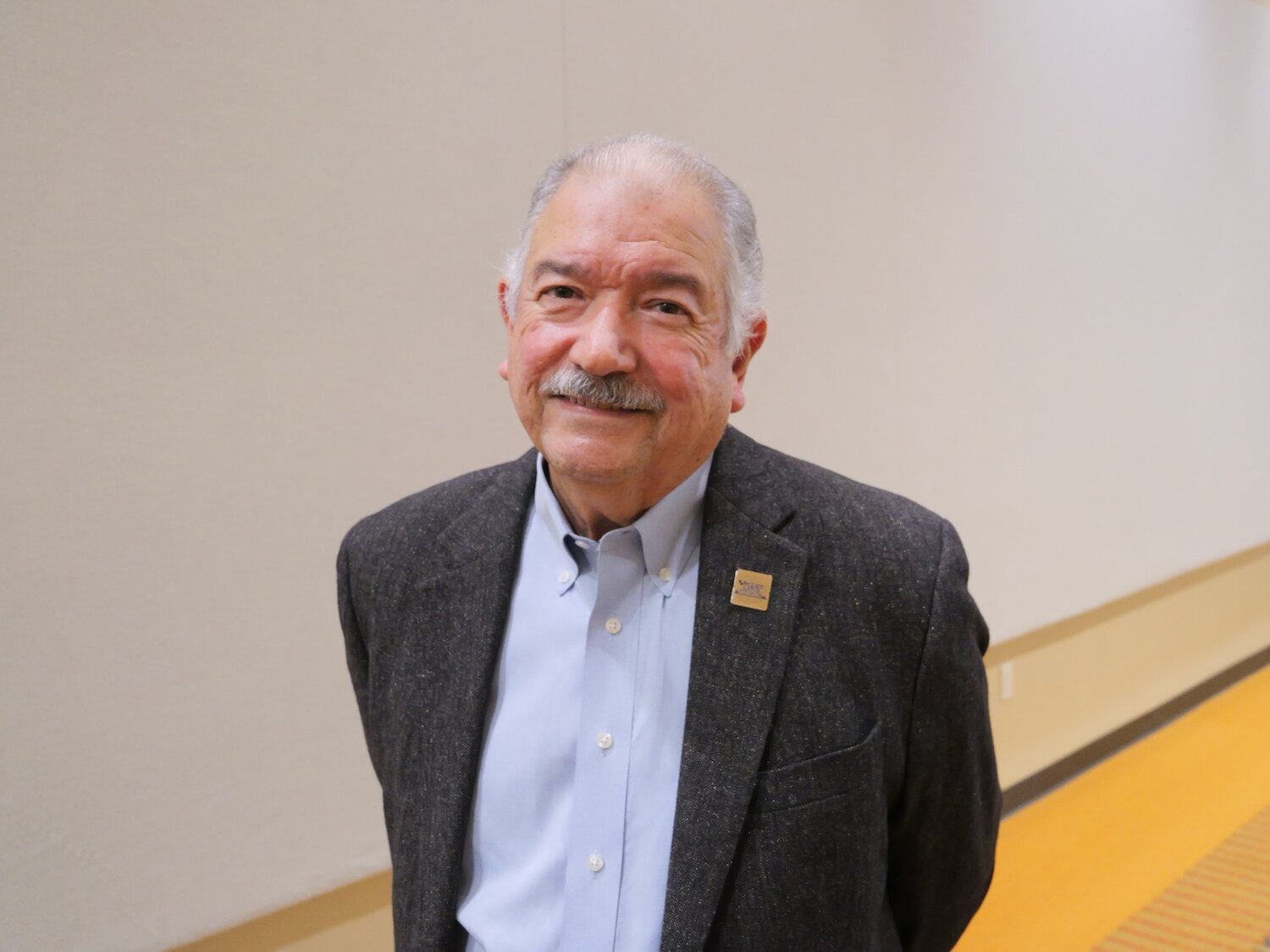
In recent months, construction in the Rio Grande Valley (RGV) has faced significant disruptions due to immigration enforcement activities. Households in communities throughout Edinburg and the surrounding areas have begun to feel the pinch of these changes, and industry leaders are sounding the alarm. Key among them is Paul Rodriguez, the president and CEO of Valley Land Title Co., who recently addressed the South Texas Builders Association regarding these pressing issues.
The Current Climate of Construction Sites
Rodriguez highlighted a detrimental trend affecting residential home building: U.S. Immigration and Customs Enforcement (ICE) raids at construction sites across the region. Many contractors are reporting that these operations are rendering their projects in limbo. As ICE apprehends construction workers, projects are left incomplete, leading not only to financial losses but also to a housing shortage.
These raids are causing significant delays in construction timelines, pushing back the delivery dates for new homes and, ultimately, affecting potential homeowners who are relying on the expansion of housing availability. The increased scrutiny and enforcement have created a climate of uncertainty that is challenging the growth of one of the most vital sectors in South Texas.
The Voices of Industry Leaders
During the recent Builders Association meeting, attended by two members of Congress, many voices echoed Rodriguez’s concerns. Builders shared anecdotal accounts of how labor shortages—exacerbated by recent immigration policies—have hindered multiple projects. With fewer qualified individuals available to take on construction roles, the productivity and progress of new homes have been severely hampered.
The Broader Implications
The ramifications of slowing construction extend beyond the immediate economic impact on builders and contractors. Communities in the RGV are feeling the consequences in the form of increased housing prices and dwindling inventory. As demand for housing continues to grow, particularly in this populous region, the stakes have never been higher. Further complicating this issue is the perception that workers are fearful, creating a barrier for those who might otherwise consider employment in construction.
Addressing the Challenges
To confront these challenges, industry leaders and lawmakers must come together to develop practical solutions. Collaborative approaches focusing on worker immigration status, labor rights, and enforcement policy could pave the way for more constructive outcomes. Moreover, increased awareness and dialogue on the necessity of immigrant labor in maintaining the region’s housing development is imperative.
Fostering Community Understanding
As local communities navigate these complexities, residents must remain informed. Understanding the vital role that construction workers—many of whom are immigrants—play in housing development can cultivate support for policies that promote a fair and stable workforce. Housing policies must align with the economic realities traffic essential workers face daily.
Conclusion
The ongoing situation involving ICE raids in the Rio Grande Valley presents a formidable obstacle to housing development in the region. As leaders like Paul Rodriguez advocate for more understanding and support for the workforce critical to this sector, it becomes evident that collaborative efforts are necessary to ensure sustainable development. For more information on the implications of these raids, visit the U.S. Department of Justice for legal perspectives and know your local housing statistics from the U.S. Census Bureau.
Stay Informed
For updates on housing developments and immigration policies affecting construction, subscribe to local news, engage with community forums, and follow relevant industry associations. Through awareness, advocacy, and collaboration, Texas communities can work toward overcoming these challenges together.
