


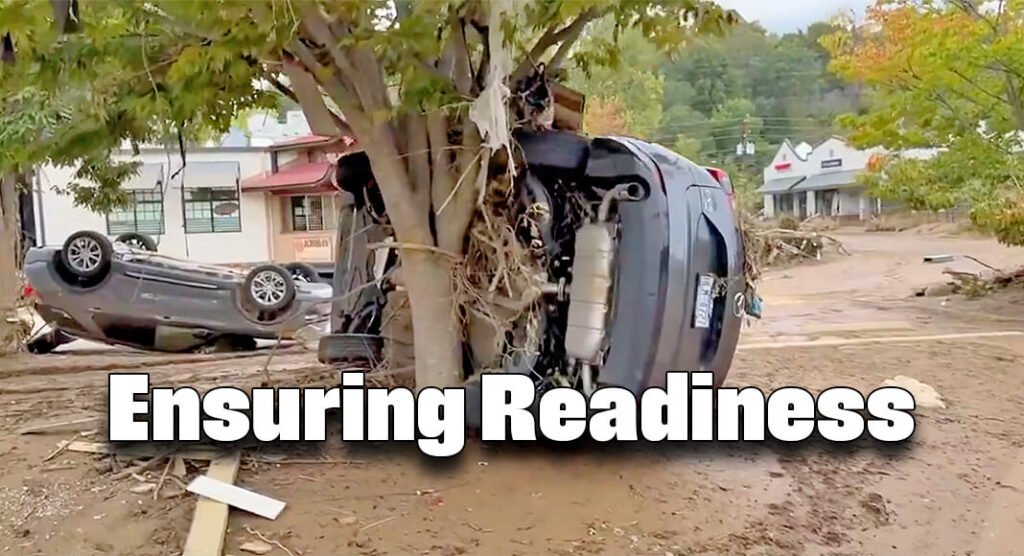
Preparing the Rio Grande Valley for Future Catastrophes: Lessons from Hurricane Helene
As communities across the southeastern United States grapple with the aftermath of Hurricane Helene, which unleashed devastation through historic rainfall and destruction, the question rings clear for those of us in the Rio Grande Valley: Are we ready for a catastrophe of this magnitude?
Understanding the New Normal of Extreme Weather
Recent events serve as a stark reminder that severe weather incidents are no longer rare anomalies but rather the “new normal.” Scientists at NOAA warn that storms are becoming increasingly intense due to climate change, resulting in more severe rainfall and dangerous flooding situations. For context, Hurricane Helene dumped over 40 trillion gallons of rain in just one week, enough to submerge North Carolina under 3.5 feet of water.
The potential consequences of such monumental rainfall on the low-lying landscape of the Rio Grande Valley are daunting, particularly given our geographical vulnerability to hurricanes and tropical storms.
Catastrophic Impact: What We Learned From the Southeast
As Hurricane Helene wreaked havoc on communities in Georgia, Tennessee, the Carolinas, and beyond, the region witnessed heart-wrenching losses—over 100 lives lost and entire communities displaced. Fast-moving floodwaters decimated infrastructure, with roads and bridges washed away, isolating towns and making rescue operations perilous.
Though the Rio Grande Valley does not face the high elevations of the Appalachian Mountains experiencing similar disasters, we encounter distinct yet equally horrific scenarios: flatlands susceptible to extensive flooding. How prepared are we to deal with a similar barrage of rainfall and wind?
Evaluating Emergency Response Plans
One of the most pressing questions we must confront is: Do we have a robust emergency plan? The importance of a well-structured emergency response system cannot be understated, especially considering our recent experiences with hurricane threats. Emergency preparedness involves not only having a response plan but ensuring that residents are informed about it.
- Who leads our emergency preparedness?
- Is it clear how protocols are executed in the event of a hurricane?
These are pressing inquiries that demands immediate attention. The need to educate residents on implementing effective disaster preparedness strategies cannot be ignored.
Community Education: The Key to Survival
While developing a robust emergency plan is critical, empowering residents with knowledge is equally vital. Recent studies indicate that many in affected areas were unprepared for the rapid onset of heavy flooding brought by Hurricane Helene.
Key Knowledge Areas for Effective Preparedness:
- Creating Emergency Kits: Ensure necessary supplies are at the ready.
- Planning for Evacuation Routes: Pre-identify safe passage during emergencies.
- Securing Structures Against Flooding: Understand flood-proofing measures applicable to homes.
Lean into community resources and local government initiatives aimed at educating residents about these practices.
Infrastructure: Are We Ready?
Another critical aspect of our preparation lies in the strength and resilience of our infrastructure. Can our roadways, as well as vital facilities, withstand the kind of storm that Helene presented?
Roads and bridges in the southeastern U.S. crumbled under the pressure of heavy rains. This calls into question: Are our evacuation routes effective? We must evaluate whether our infrastructure can handle extreme weather and connect communities with rescue services efficiently.
The Role of Climate Change in Future Preparedness
As climate change continues to escalate, our climate resilience strategies must evolve alongside it. Studies show that climate-driven phenomena increase rainfall intensity by up to 50% during catastrophic weather events. Preparing for future storms necessitates accounting for this change; preparation plans need to recognize that these “once-in-a-lifetime” storms are becoming alarmingly frequent.
Embrace Action Now
The time to act is now. The data from the southeast is undeniable, presenting a clarion call for proactive measures in the Rio Grande Valley. Local leaders must collaborate to craft comprehensive disaster response strategies, while residents must invest in their personal catastrophe preparedness.
Effective deployment of education around hurricane preparedness and community resilience can make the difference between a community that thrives and one that succumbs to disaster.
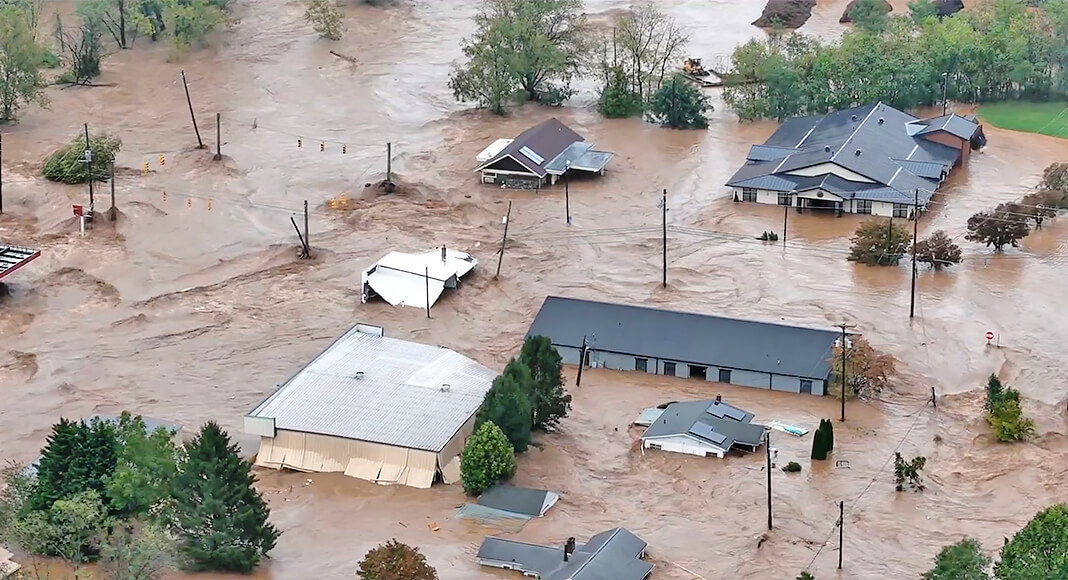
If we learn anything from Hurricane Helene, it’s that readiness must be our top priority. The question is no longer whether a disaster will strike, but when it will happen. By equipping ourselves with knowledge, establishing clear evacuation plans, and reinforcing our infrastructure, we can foster a resilient community prepared for whatever nature throws our way.
The Rio Grande Valley is not just a geographical entity—it is a collective of resilient individuals ready to face the challenges ahead. Let’s ensure we are ready.
