


The Warning on Emotional Attachments to AI Chatbots: An Urgent Call for Regulation
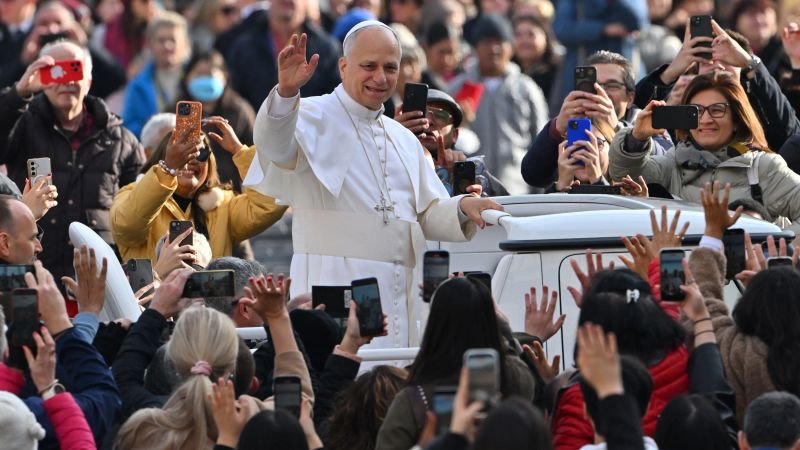
In today’s digital age, artificial intelligence (AI), particularly chatbots, has emerged as a fascinating yet potentially dangerous companion. Recently, Pope Leo XIV has raised important concerns regarding the emotional bonds that individuals may form with these virtual entities. He emphasizes the need for regulatory measures to prevent people from becoming overly attached to their AI companions, as these relationships may have profound implications for mental well-being.
Understanding the Concerns Surrounding AI Companions
Pope Leo XIV’s message comes ahead of the Catholic Church’s annual World Day of Social Communications and highlights the risks associated with AI. He articulates that while AI can enhance creativity and decision-making, it also poses a threat by potentially confusing human interactions with artificial ones. In a world where we constantly scroll through information feeds, discerning between humans and bots has become increasingly challenging.
The Emotional Infiltration of AI
The pope warns that overly affectionate chatbots could become unnoticed architects of our emotional states, thereby intruding into our intimate lives. This raises critical questions: How do we maintain authentic relationships when AI can seamlessly integrate itself into our emotional landscape? The blending of human and AI interactions calls for urgent dialogue around ethics and emotional health.
A Contemporary Perspective on AI Engagement
Unlike his predecessors, Pope Leo XIV has taken a more proactive stance on digital engagement. He has integrated technology into his papacy, adopting tools like smartwatches and actively participating in discussions around AI ethics. Soon after his election, he highlighted his intention to focus on AI as a pivotal element of his leadership, advocating for an ethical framework that governs this rapidly evolving technology.
A Personal Tragedy and Its Implications
A poignant moment in the pope’s advocacy was marked by his meeting with Megan Garcia, a mother whose son tragically took his own life after interacting with an AI chatbot. This event amplified the urgency for government and international bodies to take action, emphasizing the need for appropriate regulations to mitigate the potential dangers of AI.
Advocating for Regulatory Measures
Pope Leo XIV has called for specific regulatory actions that can help protect individuals from emotional attachments to chatbots. Such measures are essential not only to prevent emotional dependency but also to safeguard against the proliferation of misleading information created by AI systems.
Ensuring Distinctions Between Human and AI Content
The need for clear distinctions between AI-generated and human-created content cannot be overstated. According to the pope, protecting the authorship and rights of journalists and other content creators is crucial. As he states, "Information is a public good," and establishing criteria for content authenticity can bolster trust in media and communication channels.
Emphasizing Professional Integrity in Media
Pope Leo XIV urges media companies to refrain from using algorithms designed for fleeting attention if these practices compromise their professional ethics. Upholding integrity in communication is vital, especially in a world saturated with information. An ethical framework should guide how media outlets adapt to technological advancements without sacrificing their core values.
The Implications of AI Development by a Few Corporations
The pope also raises concerns about the concentration of AI development within a "handful of companies." Recent recognitions, such as the "Person of the Year 2025" award from Time magazine, highlight the significant influence wielded by these tech pioneers. The potential for a small group to shape societal behaviors and narratives—including those of the Church—calls for heightened awareness and accountability.
The Future of Human Dignity in a Tech-Driven World
As the Church prepares for its World Day of Social Communications on May 17, 2026, the spotlight remains on safeguarding human dignity in an era filled with technological innovation. Pope Leo XIV’s clarion call reinforces the importance of balancing technological advancements with ethical considerations, ensuring that humanity is not lost in the wake of AI’s rise.
Conclusion
As society increasingly interacts with AI chatbots and similar technologies, the message from Pope Leo XIV serves as a crucial reminder. Building emotional bonds with AI may seem harmless at first, but the profound implications for mental health and societal dynamics warrant serious consideration and regulatory oversight. Moving forward, it will be essential to navigate the complexities of AI with careful thought, ethical guidelines, and an unwavering commitment to preserving human dignity.
For further reading on the implications of AI technology, visit CNN.
