


The Water Crisis in South Texas: A Looming Threat to the Future
Introduction
The Rio Grande Valley has long been heralded for its agricultural bounty and natural beauty. However, the region now faces a water crisis that threatens its future viability. Over the past century, an increase in population, climate change, and mismanagement of water resources has put immense pressure on this vital supply. This article delves into the causes of the crisis, current conditions, and the potential solutions being implemented.
Historical Background
More than a century ago, marketing campaigns dubbed the Rio Grande Valley the "Magic Valley," enticing farmers with promises of a tropical paradise where water was abundant, enabling year-round crop production. However, this narrative belied the region’s actual conditions. The Valley is not a simple valley, but a complex delta system that has historically experienced droughts. Despite these facts, a significant influx of farmers transformed the area into one of America’s leading citrus producers, also cultivating cotton, sugarcane, and various vegetables. Cities such as McAllen, Mission, and Weslaco emerged, compounding the demand for water drawn from the iconic Rio Grande.
Current Challenges
Record Low Water Levels
In recent years, the two international reservoirs supplying South Texas have hit record lows, dipping to around 20% capacity. This alarming situation coincides with a surging population, which is predicted to strain water resources even further. Local officials, concerned about sustained growth, are actively pursuing alternative water sources, including groundwater and new recycling methods. However, these initiatives require time and investment, and without swift action, both economic growth and community health could be jeopardized.
The Population Surge
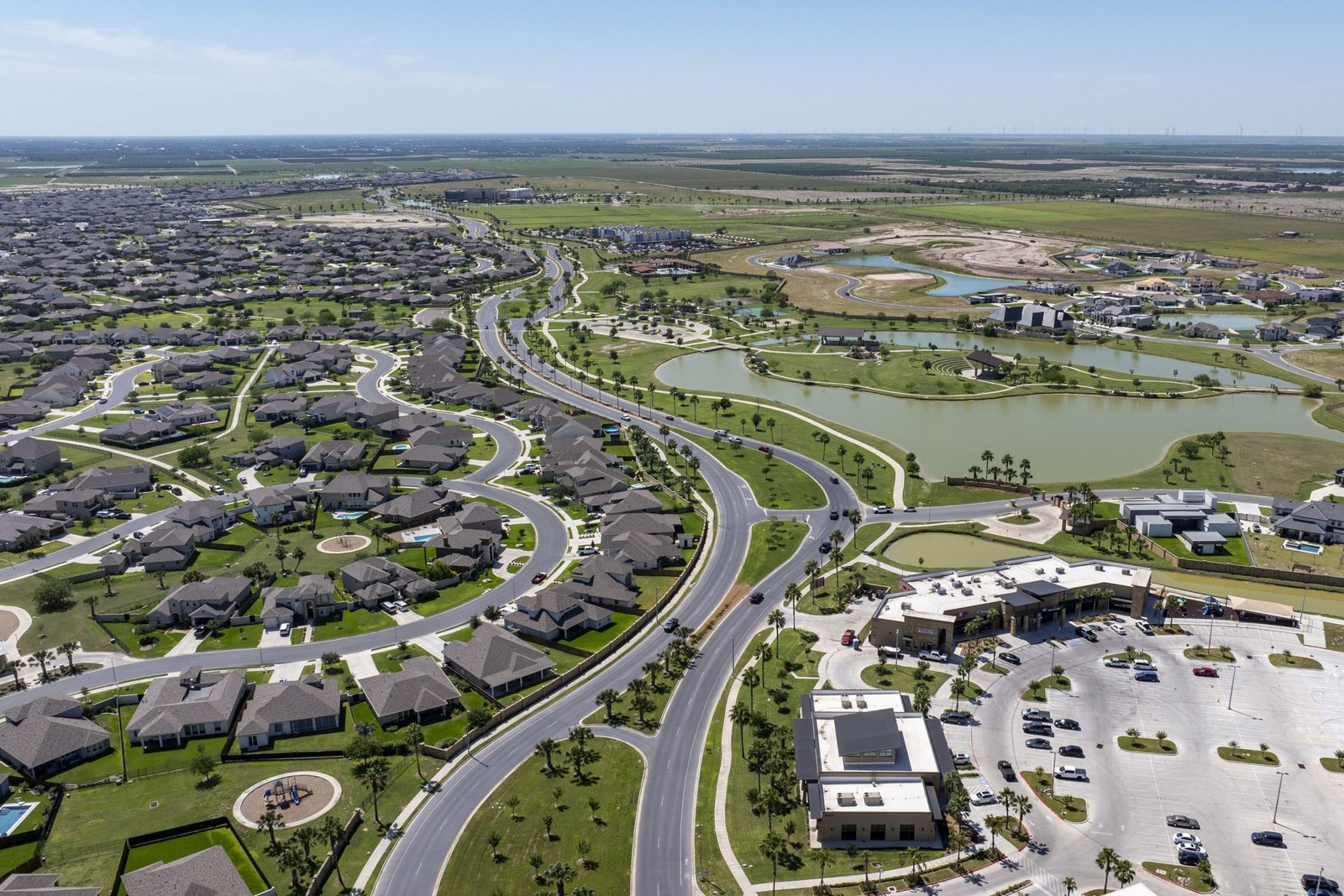
The population of South Texas has surged significantly, with official estimates indicating an increase of more than 100,000 people between 2010 and 2020 in the lower valley alone. This increase has placed additional stress on already diminishing water resources. As Hidalgo County Judge Richard F. Cortez put it, the need for water is acute, and there is a pressing obligation to reconcile the demands of urban growth and agricultural needs.
Increasing Demand and Diminishing Supply
State data indicates that if Texas were to experience a historic drought similar to that of the 1950s, many of the Valley’s municipalities could face severe water shortages. Currently, about 90% of both agricultural and municipal water use relies on surface water from the Rio Grande, which is less costly to use compared to brackish groundwater. However, as demand rises, the region may have to transition to higher-cost alternatives for water supply.
Potential Solutions
Infrastructure Improvements
State lawmakers are considering a multi-billion-dollar legislative package aimed at repairing outdated infrastructure and aiding city water agencies in the search for new sources of water. One notable project under discussion involves recycling drainage water, which represents a promising avenue for diversifying the region’s water supply.
Groundwater Utilization
Developers like Nick Rhodes, CEO of Rhodes Enterprises—the Valley’s largest homebuilder—are increasingly focused on securing adequate water rights essential for ongoing residential development. Intensive discussions surrounding water rights have centered around stabilizing costs, especially given the area’s reliance on surface water.
The Delta Regional Water Management Project
A groundbreaking initiative, the Delta Regional Water Management Project, seeks to capture excess stormwater, redirecting it for drinking water use. This project aims for the construction of processing facilities capable of delivering up to 18 million gallons of water daily, beneficial even during drought periods.
Collaboration and Community Awareness
Local leaders recognize the critical need for community collaboration to address the ongoing water crisis. Groundwater extraction is becoming increasingly necessary, despite past resistance. Efforts to communicate the importance of this transition to residents and stakeholders will be essential in fostering an understanding and acceptance of higher water costs.
Conclusion
As South Texas grapples with an unprecedented water crisis, a multifaceted approach involving infrastructure improvements, resource management, and community engagement becomes vital. Long-term planning, investment in alternative water sources, and prudent use of existing resources will be necessary for securing the region’s future. With proactive measures, South Texas can navigate its water challenges while maintaining its agricultural and urban landscapes.
For further insights into Texas’s complex water issues, read more about the importance of infrastructure in water management and explore various initiatives aimed at conserving water resources.
