


Strengthening Community Resilience: Weslaco’s Faith-Based Coalition Meeting
Overview of the Coalition Meeting
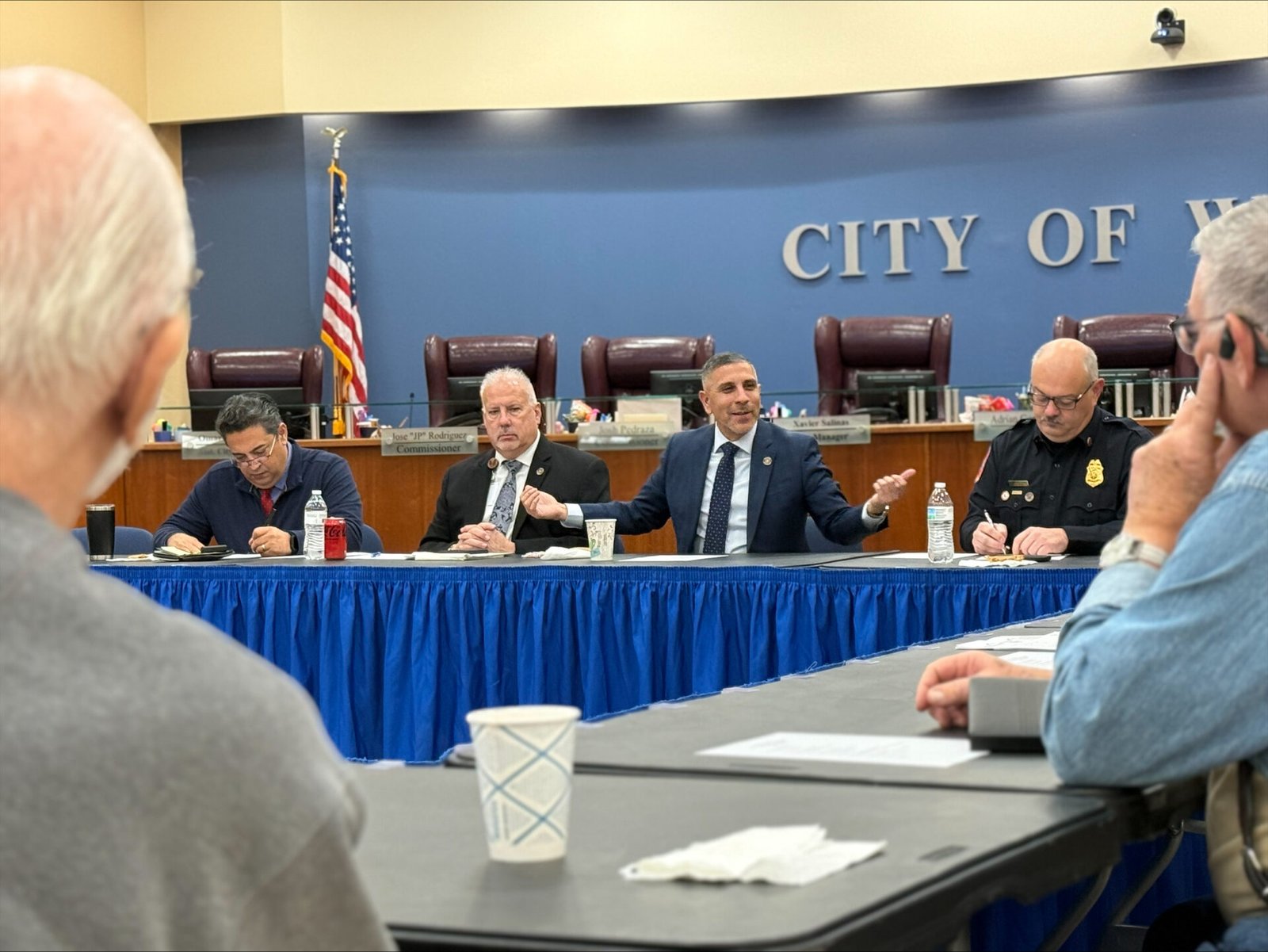
WESLACO — On January 14, 2026, the city hosted its second quarterly Faith-Based Coalition Meeting, bringing together over a dozen representatives from diverse local religious organizations. This gathering served as an essential platform for the city’s Emergency Management team and local faith leaders to network and share vital information regarding emergency preparedness, particularly as the region faces potential extreme weather events.
The coalition aims to foster proactive measures that enhance community resilience against disasters, such as flooding, which has been a significant concern in the area.
Proactive Emergency Preparedness
Mayor Adrian Gonzalez emphasized the importance of this initiative, stating, “It was something that I wanted to put together in case of emergencies so that we can be proactive.” The mayor highlighted the invaluable resources that local churches can provide, from shelter to food supplies during critical situations.
This meeting is particularly vital, as churches often have dedicated parishioners willing to volunteer their time and resources. “We know exactly what church can provide what, and not only for emergency purposes, it’s also to help the elderly,” Gonzalez remarked.
Figure: Barry Goldsmith from the National Weather Service presented insights on weather patterns during the meeting. (Francisco E. Jimenez | The Monitor)
Key Discussions and Presentations
The meeting commenced with an opening prayer led by Pastor Aaron Saenz of the BT Church Mid Valley Campus. Following a brief introduction from attendees, discussions centered on logistics such as sandbag distributions during flooding events, followed by expert presentations. Barry Goldsmith of the National Weather Service in Brownsville delivered a slideshow outlining recent weather patterns and their implications for the region.
Members from the American Red Cross also contributed valuable insights on emergency response strategies. The discussions set a collaborative tone for future cooperative efforts among local religious organizations and city officials.
Engaging Local Leaders
Local faith leaders raised questions, including concerns over the absence of representatives from Catholic churches in the area. Fire Chief Antonio Lopez acknowledged that while efforts were made to include them, participation has been lacking. Nonetheless, he expressed pride in the productive conversations that took place at the meeting.
“Our ultimate goal is to ensure we understand the community’s needs at every corner, particularly through the faith-based organizations,” Lopez explained. He noted that pastors act as mayors within their congregations, providing unique insight into the needs of their communities.

Figure: Pastors and community leaders collaborated during the meeting to discuss emergency strategies. (Francisco E. Jimenez | The Monitor)
Building Community Bridges
Pastor Saenz emphasized the ongoing nature of such meetings as a means of building mutual relationships rather than creating boundaries. He expressed confidence that increased collaboration would enhance the community’s readiness in response to emergencies.
Future Growth of the Coalition
Mayor Gonzalez remarked that while current meetings are focused on Weslaco, he hopes to extend this initiative to involve surrounding communities. He reiterated, “It’s all about being proactive. You don’t want to be reactive; when emergencies occur, it can lead to confusion. The goal is to be ready.”
For more information on emergency preparedness strategies, visit FEMA’s website.
Conclusion
Weslaco’s Faith-Based Coalition Meeting underscored the critical role that local churches and religious organizations play in community emergency preparedness. By fostering collaboration between faith leaders and city officials, the program seeks to enhance the overall resilience of the community, demonstrating a proactive approach to addressing needs during emergencies.
As such gatherings continue, they will not only prepare the community for potential emergencies but also build lasting relationships among its diverse members. This comprehensive approach to community safety and well-being is essential for ensuring that every citizen is supported during times of crisis.
