


The Impact of COVID-19 on the Rio Grande Valley: A Community’s Struggle and Resilience
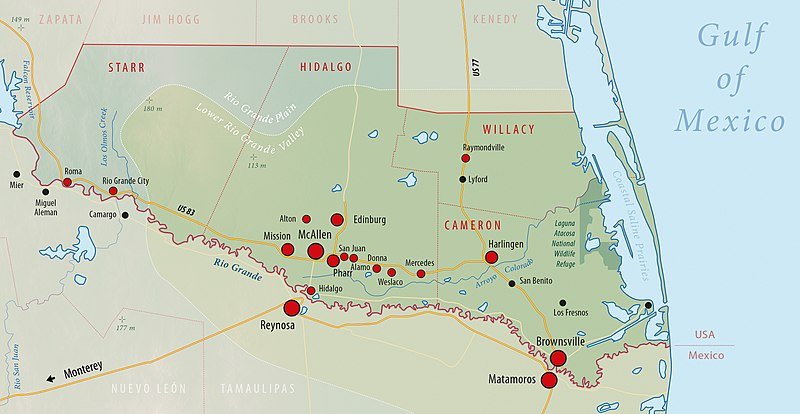
The COVID-19 pandemic hit many regions hard, but some areas experienced the brunt of its effects more severely than others. One such region is the Rio Grande Valley (RGV) in Texas, a unique area defined by rich cultural diversity, socioeconomic challenges, and densely packed communities. This article explores the community’s struggles during the pandemic, focusing on the human stories and systemic issues that accentuate the crisis.
The Human Toll of COVID-19
One poignant story comes from licensed vocational nurse Martha Betancourt, who epitomizes the dedication exhibited by many healthcare workers during the early days of the pandemic. Pregnant and committed to her patients, Betancourt continued to work until she tested positive for the virus during routine testing at her nursing home. Initially asymptomatic, the virus quickly spread through her family, leading to dire consequences: her husband, mother, and grandfather all succumbed to the illness, while she and her unborn child survived.
This heartbreaking account reflects a larger narrative in the RGV, a predominantly Hispanic community where approximately 73% of residents speak a language other than English at home. The challenges of a healthcare system strained by high poverty rates are magnified by cultural practices that prioritize family gatherings, often making it difficult to adhere to social distancing guidelines.
Economic Disparities and Health Care Challenges
The economic landscape in the RGV is fraught with issues, as it houses some of the poorest counties in Texas. According to USA Today, the median household income in Starr County is less than half the state median, with over one in three residents living below the poverty line. These economic hardships severely impact healthcare access, as many individuals cannot afford to miss work for health reasons.
Nurse Ruby Cantu describes the chaos at Valley Baptist Medical Center as COVID-19 cases surged: "Eight new COVID-19 units were operational, and we were struggling to keep up." The situation worsened due to a scarcity of resources such as personal protective equipment, oxygen, and ventilators. Despite the urgent need for medical care, many residents hesitated to seek help until symptoms became severe—a reluctance rooted in fears of incurring costs, as approximately one in four residents lack health insurance (source).
Pre-existing Health Issues
The RGV’s vulnerability to COVID-19 is further exacerbated by pre-existing health conditions prevalent in the community, including obesity, diabetes, and heart disease. McAllen, one of the largest cities in the RGV, ranks at the top for obesity rates in the United States. The limited access to healthy food options—often referred to as a food desert—adds another layer of complexity to the region’s public health challenges (source).
Cultural Factors at Play
The close-knit, family-oriented culture of the RGV has both strengths and weaknesses. While strong family ties provide crucial emotional support, they also contribute to the rapid spread of COVID-19 due to frequent gatherings and shared housing situations. The cultural tradition of caring for elderly relatives and young children can lead to increased exposure within households, making it difficult to contain the virus.
“As people adjusted to social distancing, the virus had already proliferated within individual homes,” Cantu notes. The dynamics of communal living often mean that when one member gets infected, the entire household is at risk.
Community Resilience Amidst Adversity
Despite the pandemic’s devastating effects, stories of resilience and solidarity abound in the RGV. Nurses and healthcare workers have shown immense compassion, often becoming the only human connection for patients in isolation. Cantu recalls one particular patient holding a rosary: "I prayed with him as he faced his final moments, knowing his family couldn’t be there.”
As the toll of the virus took families, community members rallied together to support one another. Through initiatives like crowdfunding and crafting homemade masks, people demonstrated their commitment to mutual aid. The community’s innate connection has been a source of strength, even when external support from government agencies has been lacking.
Looking to the Future
Although the pandemic has ravaged lives in the Rio Grande Valley, it also highlighted systemic inequalities that need urgent attention. From inadequate healthcare infrastructure to economic instability, the region must address these issues to better prepare for future challenges. Local leaders and community advocates are increasingly calling for reforms and support to uplift the region and its residents.
As the RGV emerges from this crisis, there’s a sense of hope. Stories of loss, like that of Martha Betancourt, are met with tales of kindness and resilience. The community understands the importance of standing together in the face of adversity, showcasing the spirit and tenacity that define the Rio Grande Valley.
Ultimately, the pandemic has revealed the strength of a community willing to support one another, despite significant challenges. Through shared experiences, the residents of the RGV have not only endured a crisis but have also laid the groundwork for a stronger, more interconnected future.## Potential for Progress
The COVID-19 pandemic has deepened the socio-economic and health-related disparities faced by the RGV, but it’s crucial to recognize the potential for improvement in the community. Strengthening healthcare systems, improving access to nutritious food, and addressing economic inequities can forge a path toward a healthier and more vibrant Rio Grande Valley.
As the community transitions from crisis recovery to growth and revitalization, ongoing support and focus on these critical issues will be essential. Through collective action, resilience, and innovation, the RGV can build back better and emerge more united and prepared for whatever lies ahead.
By embracing change and focusing on long-term solutions, the Rio Grande Valley can overcome its current challenges and set an example of resilience for communities across the nation. Together, the spirit of the RGV will shine brighter than ever.
