


The State of the Rio Grande: Rescue or Illusion?
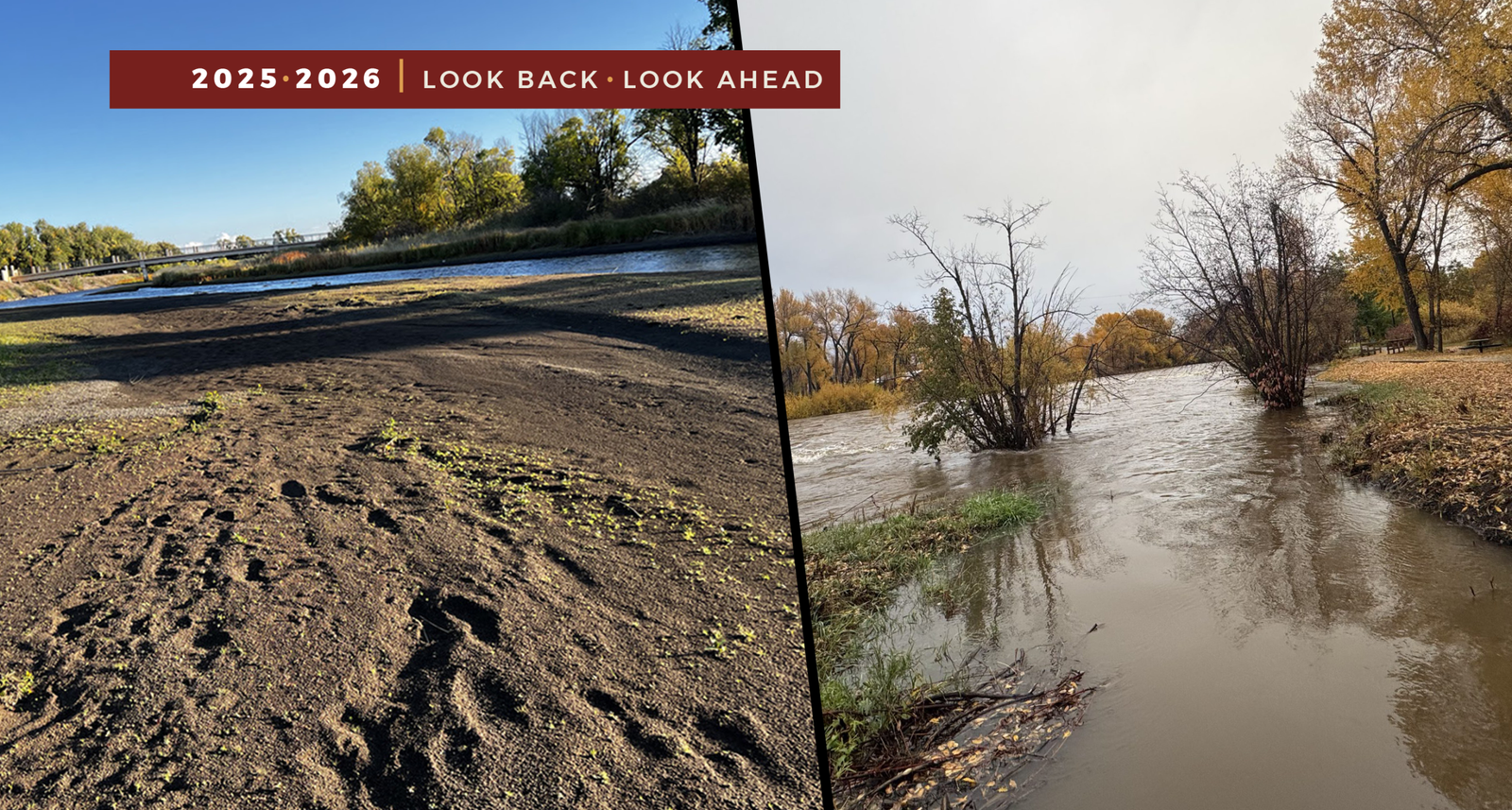
In mid-October of 2025, intense rainfall breathed new life into the Upper Rio Grande Basin, changing the narrative of an ecosystem teetering on the brink of crisis. This dramatic shift in weather conditions resulted in a remarkable 25% increase in the river’s depth and contributed an additional 100,000 acre-feet to its annual flow.
A Brief Overview of the Crisis
During the summer months of 2025, the Rio Grande was struggling. By August, the river’s flow had dropped to a mere 100 cubic feet per second (cfs), while the Conejos River at Mogote was also languishing below that threshold. Craig Cotten, division engineer for the Colorado Division of Water Resources, reflected on this dire situation: “We’re seeing low flows everywhere throughout the basin. It’s not a good situation.”
Initial Signs of Hope
September brought some relief, with an inch of rain falling over the region. However, the unusually warm temperatures experienced earlier in the year, linked to a series of 60-degree weather days in February, hampered recovery efforts. This ongoing warmth negatively affected both soil conditions and the river’s flow.
The turning point came when Hurricane Priscilla formed over the Pacific. By October 12, remnants of this tropical storm unleashed flash floods along the San Juan River in southwestern Colorado, spilling water into the San Luis Valley. The resulting surge transformed the Rio Grande, pushing its flow to 100 cfs higher than the average for December, portraying a momentary sense of stability and hope.
Beneath the Surface: Ongoing Concerns
Despite these hopeful signs, experts warn against complacency. A recent study highlights a looming "existential water crisis" for the Rio Grande Basin. Climate scientists suggest that the prolonged drought conditions of the 21st century are giving way to long-term aridification. While precipitation levels in 2024 and 2025 surpassed historical norms, rainfall alone is insufficient. What the basin truly needs is a significant winter snowpack to rejuvenate its water resources.
The Forecast for 2026: Not Promising
As winter approached, concerns heightened. Predictions for deep snow levels in the mountains—critical for the river’s rejuvenation—were grim. November 2025 was recorded as the second warmest November on record, and December’s early temperatures were hovering around 40 degrees Fahrenheit, with little snow accumulation visible in the high elevations of the San Juan and Sangre de Cristo ranges, or even on the Valley floor.
La Niña conditions are contributing to these warmer temperatures in the Rio Grande Basin. Russ Schumacher from the Colorado Climate Center expressed his apprehension, stating, “Unfortunately, the outlook for the next couple weeks (and maybe beyond) does not look good — very warm and dry.”
While Monte Vista experienced the second wettest fall season recorded, the overall lack of heavy snow at high elevations, coupled with a dearth of freezing temperatures, remains a critical issue.
Adapting to the New Normal
The shift in climate patterns signifies a new normal for the region: wet, warm falls and a notable absence of traditional winter conditions with snowpacks and sub-zero temperatures. The arrival of spring seems to be arriving increasingly earlier in the year.
As we look toward 2026, it becomes clear that while October’s rains offered a temporary reprieve, the long-term health of the Rio Grande Basin remains precarious. The next steps taken will be crucial in determining its future sustainability.
For those concerned about the future of this vital water source, understanding the changing climate and the factors affecting the Rio Grande is essential. Ongoing research and adaptations will play a vital role in managing water resources effectively in the face of climate change.
To learn more about the ongoing challenges and potential solutions for the Rio Grande, check out this in-depth study on the existential water crisis in the Rio Grande Basin.
For further reading on historical precipitation patterns and their impacts, visit record precipitation in 2024.
As we navigate through these tumultuous changes, the importance of collective action and informed discussions cannot be overstated. The future of the Rio Grande, and the lifeblood it provides for communities and ecosystems, hangs in the balance.
