


The Future of Data Centers in Texas: Opportunities and Challenges
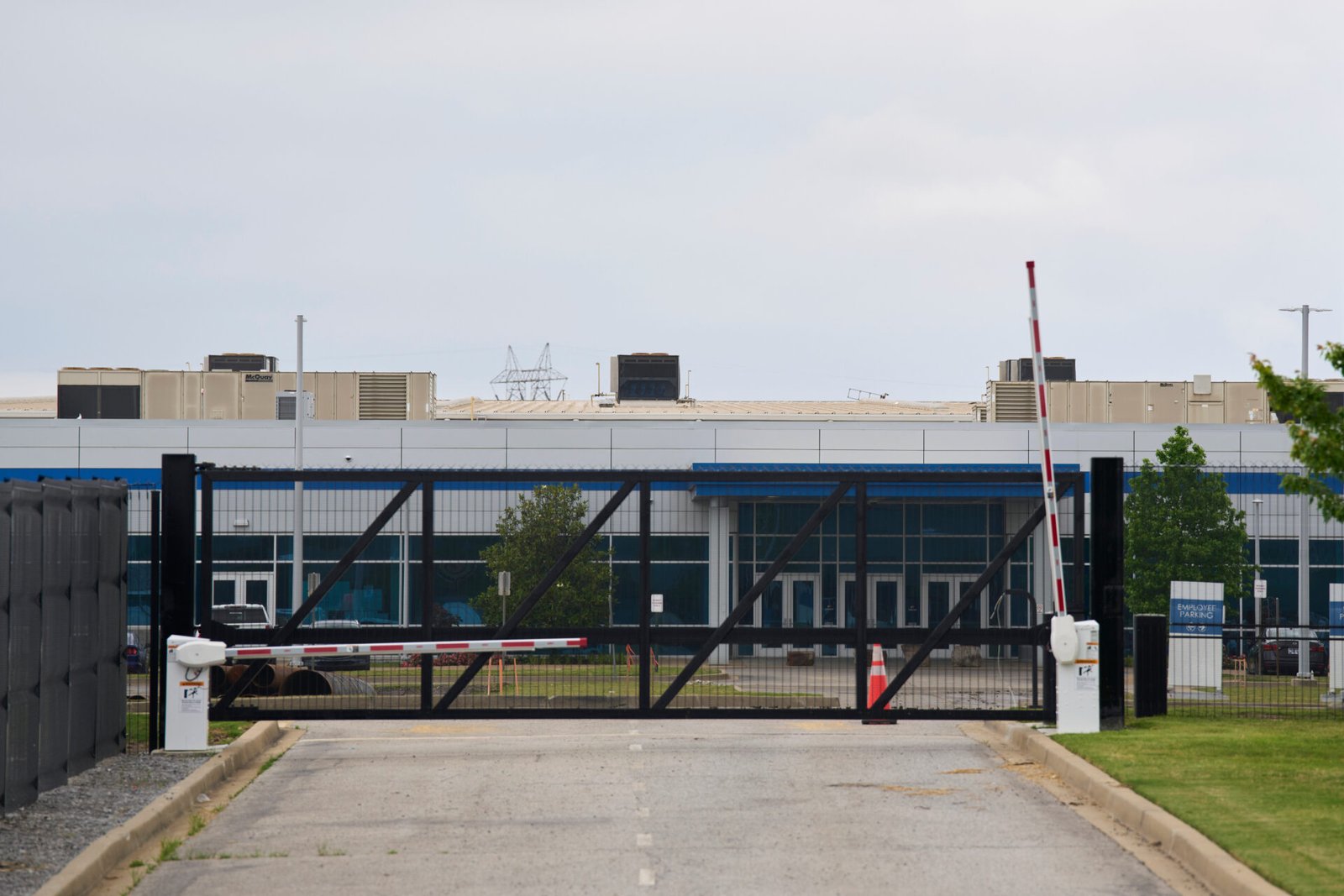
The xAI data center is seen, May 7, 2025, in Memphis, Tenn. (George Walker IV/AP Photo)
Economic analysts are forecasting a robust economic landscape for Texas and the Rio Grande Valley, with a notable factor being the rise of computer data centers. This surge is primarily driven by the exponential growth in computing power, fueled by advancements in artificial intelligence, cryptocurrency mining, and other technological innovations. Yet, the increasing establishment of data centers brings forth significant concerns regarding their resource demands, particularly energy and water.
The Growing Demand for Data Centers
Texas has emerged as a hotspot for data centers, housing over 400 facilities across the state. Upcoming projects include endeavors by companies like Soluna Holdings in Willacy County, Eneus Energy planning a center near Valley International Airport in Harlingen, and discussions about a potential facility in northern Hidalgo County by Edinburg officials, who are attempting to assuage public concerns.
While these data centers promise economic growth and job creation for local communities, they also raise critical questions regarding resource sustainability.
Energy Consumption: A Key Concern
One of the foremost challenges posed by data centers is their substantial energy consumption. The demand for electricity in Texas has been a point of contention, especially since the catastrophic power grid failures during the 2021 winter storm. Solutions are being sought to enhance energy generation and delivery within the region. Many data centers are proactively addressing energy needs by situating themselves near existing power supplies or even creating their own energy solutions. For instance, the proposed Soluna facility will be located near wind turbines in Willacy County.
However, reliance on existing energy infrastructure remains contentious. Many are concerned about the potential strain on a system that has been deemed fragile and unreliable. Local officials must focus on bolstering energy resources to ensure that evolving demands can be met without exacerbating existing issues.
Water Resources: Strain on Local Supply
In addition to electricity, water is another pressing concern. The Texas area is characterized by arid conditions, further intensified by dwindling water levels in the Rio Grande, the predominant water source. The rapid population growth in the region is already putting pressure on this critical resource.
Data centers exacerbate these water challenges. They require significant amounts of water not only for cooling but also to ensure optimal functioning of their climate systems. To mitigate these pressures, local governments should consider innovative solutions such as utilizing effluent water or investing in rainwater harvesting systems.
Sustainable Solutions for Data Center Operations
It is essential that new data center projects incorporate sustainable practices from the outset. Officials must explore ways to ensure that water demands are met without impacting potable supplies. Initiatives that promote the use of alternative water sources can alleviate some of the pressures associated with increased data center operations.
Sustainable practices may include integrating advanced cooling technologies or constructing on-site water recycling systems to offset the demand for fresh water. Such measures not only benefit the environment but also create long-term economic viable solutions for data center operations.
Conclusion: A Call for Comprehensive Planning
As Texas and the Rio Grande Valley prepare for an influx of data centers, it is imperative to balance economic development with environmental stewardship. Local authorities must prioritize comprehensive planning and research initiatives to identify and address economic and environmental concerns associated with these facilities. Early intervention and thorough due diligence can pave the way for sustainable growth in the region while ensuring the preservation of vital resources for future generations.
By proactively addressing these challenges, Texas can harness the economic potential of data centers, creating an innovative, sustainable environment for its residents.
