


The Water Crisis Threatening Growth in South Texas: A Call for Innovative Solutions
As South Texas grapples with an impending water crisis, the need for innovative solutions has never been more urgent. The Rio Grande Valley, once heralded as a thriving agricultural hub known for its “Magic Valley,” now faces critical water shortages that jeopardize both its economy and population growth. This article dives into the intricacies of the situation, highlighting the challenges ahead and potential avenues for sustainable solutions.
A Historical Perspective on Water Management
Over a century ago, hopeful developers attracted farmers to the Rio Grande Valley with the promise of fertile lands and abundant water. This marketing campaign morphed the delta region into a significant citrus-producing area, fueling economic growth in towns like McAllen, Mission, and Weslaco. However, the promise of perpetual agricultural success overlooked the reality of recurring droughts and limited water availability from the Rio Grande.
Currently, water levels in key reservoirs are alarmingly low, hovering around 20%, a stark reminder of historical drought conditions. Additionally, the growing population in South Texas intensifies demand for water, outpacing the available supply. If a historic drought similar to that of the 1950s were to strike again, experts indicate that the region would be unable to meet its water needs for cities, agriculture, and power generation.
Population Growth Complicates Water Supply
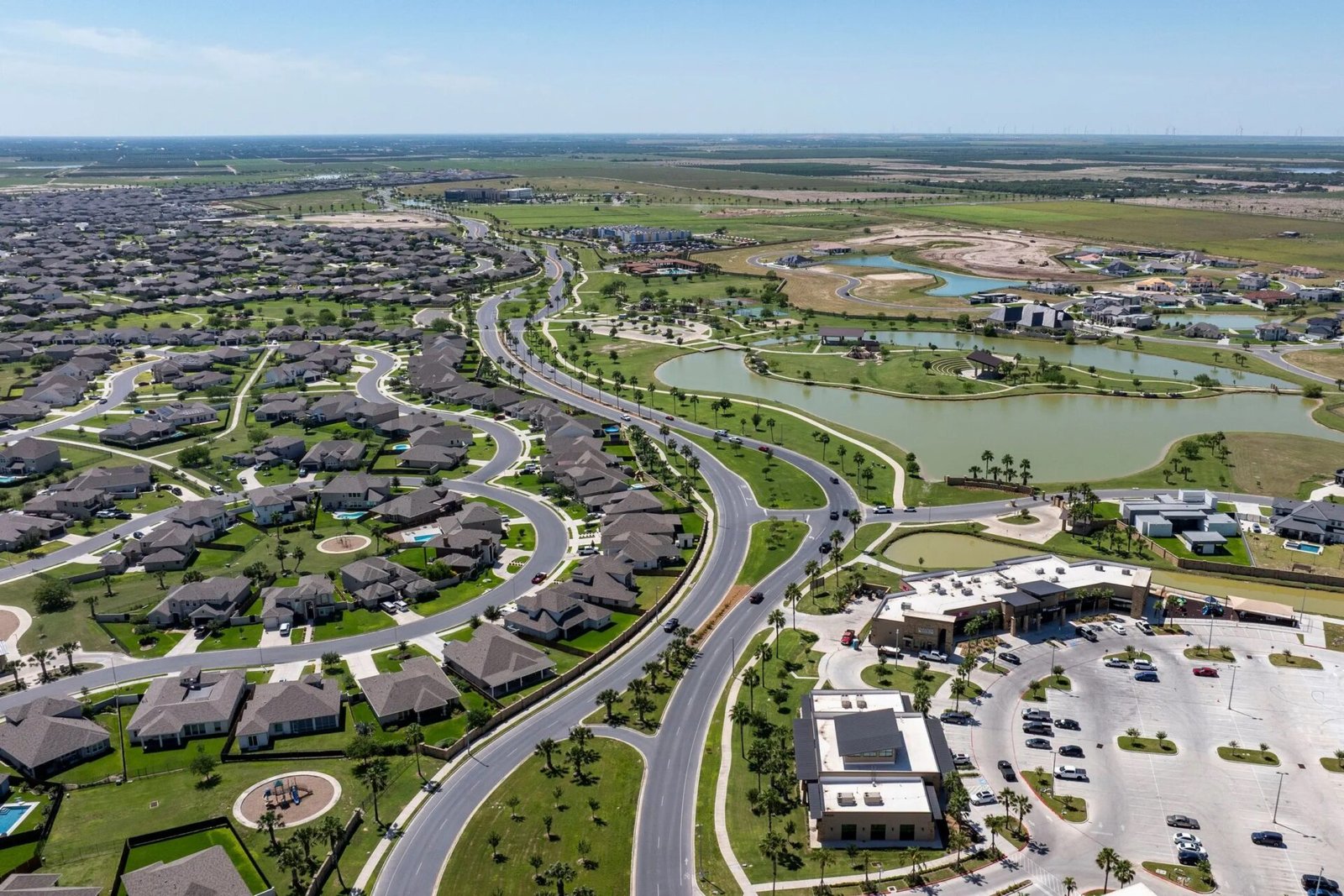
The rapid increase in population — over 100,000 new residents between 2010 and 2020 — has strained local resources. Communities in the valley are scrambling to secure alternative water supplies, such as groundwater and recycled water. However, such initiatives require time and investment, and without immediate solutions, the economic prosperity of South Texas is at risk.
Hidalgo County Judge Richard F. Cortez emphasizes the urgency of addressing water needs. “We’re all trying to reach a balance between municipal and agricultural requirements,” he stated, underlining the level of collaboration required among stakeholders.
The Impact of Climate Change
Texas faces a convolution of challenges caused by climate change, including increasing temperatures and dwindling water supplies. According to John Nielsen-Gammon, Texas State Climatologist, hotter days cause rapid evaporation, leading to greater water loss from lakes, rivers, and reservoirs. This phenomenon is compounded by outdated infrastructure, which leads to leaking pipes, further complicating water management efforts.
As agricultural industries face potential collapse due to these water shortages, stakeholders are relentless in advocating for necessary water allocations from Mexico, as stipulated by the 1944 treaty. Their perseverance seems to have borne fruit, leading to recent negotiations for updates to the treaty that governs water distribution.
Water Conservation Initiatives
Local governments are taking decisive steps to manage water resources more effectively. Many cities enacted water restrictions in 2023, and Hidalgo County is working towards a uniform drought contingency plan. Such initiatives aim to create clear guidelines for residents during drought conditions, aligning municipal and agricultural needs.
As development continues, water rights become increasingly crucial. Developers, including Nick Rhodes of Rhodes Enterprises, must secure adequate water rights to meet the demands of new housing projects. “Without a sustainable solution, we may see a rise in home prices and a slowdown in job growth,” Rhodes noted.
The growing concern over water scarcity has prompted city leaders to consider moratoriums on large-scale developments, reflecting a sobering reality that water scarcity might dictate future growth in the region.
Exploring Sustainable Solutions
To address the looming crisis, several avenues for innovative water solutions have emerged. The Delta Regional Water Management Project aims to capture excess stormwater, converting it into a new source of drinking water, alleviating pressure from the Rio Grande. The county has already purchased a site for the initial treatment facility, which could provide sufficient water for 73,200 residents daily.
In addition to stormwater capture, cities like McAllen and Brownsville are also focused on building desalination plants to treat brackish groundwater, diversifying water sources away from reliance on the Rio Grande. Policymakers are actively advocating for funding through state initiatives, recognizing the need for a regional approach to safeguard water supplies for the future.
Conclusion: A Community Resilience Built on Collaboration
The water crisis in South Texas represents both a significant challenge and an opportunity for collaborative innovation. As local leaders, residents, and stakeholders convene to develop sustainable water management practices, there is a glimmer of hope for striking a balance that ensures continued growth and prosperity in the Rio Grande Valley.
Achieving a sustainable water supply demands a proactive and united front, with each entity playing its part. As the region moves forward, embracing innovative practices and advancing collaborative strategies will be crucial in overcoming this pressing challenge. The future of South Texas hinges not merely on the water that flows from the Rio Grande but on the creative solutions crafted to manage and safeguard this essential resource.
For further reading on Texas’ water supply challenges, explore here, and for updates on legislative efforts regarding water management, refer to this link.
