


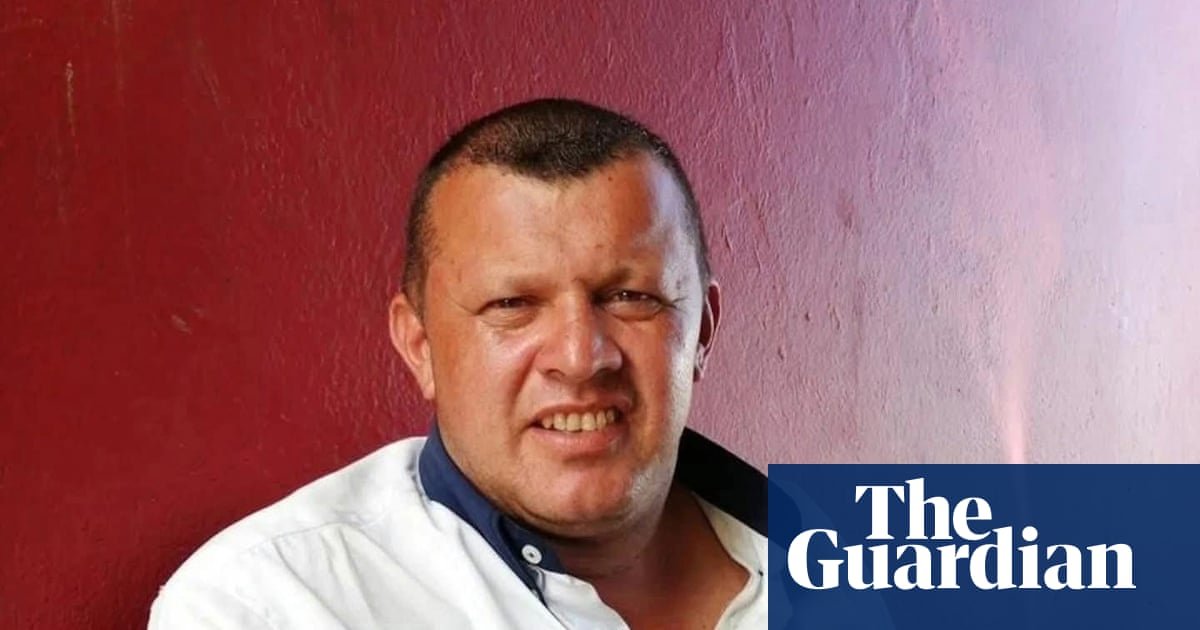
Tragic Case of Randall Gamboa: A Family’s Search for Answers After Deportation
Background of Randall Gamboa Esquivel
The family of Randall Gamboa Esquivel, a Costa Rican man, is grappling with heartbreak and confusion after his untimely death following deportation from the United States. Gamboa, who had migrated to the US in December 2024 in good health, found himself detained by US authorities for unlawful re-entry. Having previously lived in the United States without documentation from 2002 to 2013, Gamboa was subsequently held in custody by the US Immigration and Customs Enforcement (ICE).
Deterioration During Detention
Initially detained at the Webb County Detention Center in Laredo, Texas, Gamboa was transferred to the Port Isabel Detention Center in Los Fresnos, Texas. After nearly ten months of detention, the Trump administration arranged for an air ambulance to fly him back to San José, Costa Rica, in September 2025.
What should have been a homecoming turned into tragedy; Gamboa never regained consciousness and was declared dead just five weeks after his return. His family’s quest for answers intensified as they grappled with the shocking changes in his health.
Family’s Account and Health Crisis
Greidy Mata, Gamboa’s younger sister, expressed her anguish over her brother’s rapid health decline while in ICE custody. “How is it possible that a man who left healthy, came back looking dirty, with ulcers and in a vegetative state?” she questions. Mata shared that in their last video conversation on June 12, Gamboa appeared healthy, but weeks later, attempts to contact him were met with silence.
The family was not informed about his deteriorating condition until they reached out to various agencies, including lawyers and consulates, who eventually discovered Gamboa in a severe state.
Medical Records and Allegations of Neglect
Medical documentation reveals that Gamboa was transferred from the Port Isabel detention facility to Valley Baptist Medical Center on June 23, with records indicating a serious mental health crisis, diagnosed with "altered mental status." According to Tricia McLaughlin, assistant secretary at the US Department of Homeland Security, Gamboa was hospitalized to receive necessary medical and mental health care during his time in detention.
However, Gamboa’s family disputes any claims of pre-existing mental health issues prior to his migration, raising questions about the care and treatment he received while detained.
By July 7, medical records listed Gamboa suffering from at least ten severe medical issues, including sepsis and rhabdomyolysis. These conditions, along with protein malnutrition and toxic encephalopathy, indicate a severe and untreated health crisis during his time in detention.
Government Response and Family’s Frustration
Despite the family’s pleas for more information, Costa Rican authorities have been largely unhelpful. The Ministry of Foreign Affairs declined to comment on the specifics of Gamboa’s case, and the Costa Rican migration agency was only aware of his deportation, void of details regarding his health status.
The lack of communication is particularly distressing for the family. “We found out where he was in August,” Mata lamented, stressing that information regarding her brother’s dire health did not come from official channels but rather through a sympathetic lawyer who managed to locate Gamboa.
Legal and Ethical Considerations
Gamboa’s death certificate, which does not list a clear cause of death, has left unanswered questions for the family. The process of determining a definitive cause may take months, adding to the family’s anguish. The discrepancies in medical records, coupled with the treatment Gamboa received, provoke ethical questions about the conditions in ICE detention facilities.
Conclusion: A Call for Accountability
This tragic case underscores important issues surrounding the treatment of individuals in immigration custody in the United States. The family of Randall Gamboa Esquivel continues to seek justice and accountability for their loved one’s suffering, shedding light on the often-overlooked mental and physical health systems within immigration enforcement agencies.
As Gamboa’s family prepares to mark milestones without him, they remain steadfast in their pursuit of answers, determined to ensure that his story does not fade away into the shadows of bureaucracy and neglect.
