


Expansion of Floating Barriers on the Rio Grande: Key Developments in U.S. Border Security
Introduction
In a significant move to strengthen border security, the U.S. Department of Homeland Security, under Secretary Kristi Noem, has announced the deployment of floating buoys along the Rio Grande. This initiative aims to enhance existing border control measures and address ongoing challenges related to illegal crossings, drug smuggling, and human trafficking.
New Buoy System Along the Rio Grande
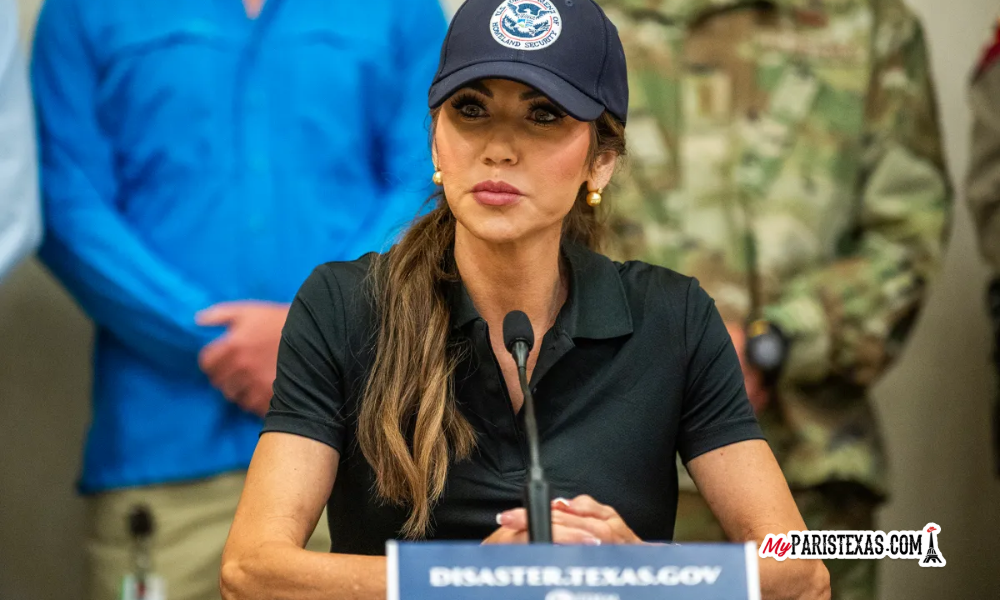
During a recent visit to the Rio Grande Valley, Secretary Noem revealed that the project would involve placing large floating barriers along more than 500 miles of the river. The floating devices, which can reach lengths of up to 15 feet and diameters of four to five feet, are designed to serve as a physical deterrent against unauthorized crossings.
Contract and Installation Timeline
Noem noted that 130 miles of these water barriers were already contracted, with installations beginning immediately. This extensive deployment is part of the broader "Smart Wall" initiative launched during President Trump’s administration, which incorporates various technological and physical barriers aimed at controlling border activities effectively.
Collaboration with Local Authorities
This initiative is a collaborative effort involving the U.S. International Boundary and Water Commission and the state of Texas. Local ranchers and Border Patrol agents participated in discussions about the implications of the installation during Noem’s visit. The Secretary emphasized the importance of working closely with Texas officials to ensure proper execution of the buoy deployment.
Previous Initiatives by Texas
Governor Greg Abbott has previously initiated the use of floating barriers, beginning with a 1,000-foot water barrier installed near Eagle Pass in 2023. Following Trump’s inauguration, an additional 1,000 feet of buoys were added. The collaboration between the Abbott administration and federal officials has been framed as a response to rising border security challenges.
Safety Concerns and Controversies
Although the floating barriers have been praised by some for their potential effectiveness, they have also sparked protests and raised ethical concerns. Activists highlight that the barriers could pose safety risks to migrants attempting to cross the treacherous waters of the Rio Grande. Recently, Mexican authorities reported the tragic drowning of a migrant caught in one of these buoys shortly after their installation.
Legal Challenges Surrounding the Barriers
The efforts to expand the buoy system have not been without controversy. The U.S. Department of Justice has pursued legal action against Texas regarding the buoys, citing potential violations of international water treaties. Despite these challenges, the U.S. Fifth Circuit Court of Appeals has allowed the barriers to remain while the case is under review.
Promoting Safety by Deterrence
Secretary Noem defended the initiative by asserting that the barriers would ultimately promote safety for individuals trying to cross the river. She stated, “Securing our waterways not only protects Americans, it saves the lives of illegal aliens by deterring them from daring to attempt to cross through this treacherous water.”
Conclusion
The expansion of floating barriers along the Rio Grande marks a crucial step in the ongoing discourse surrounding U.S. border security. While supporters argue that the buoys will enhance safety and deter illegal crossings, opponents raise significant ethical concerns regarding the treatment of migrants. As legal battles continue and the situation evolves, the outcomes of this initiative will shape future border security measures throughout the United States.
For further information, read more about Texas’ border control initiatives and the implications of local and federal partnerships in border security management.
