


Exploring the Potential of the Rio Grande Valley: Opportunities and Challenges Ahead
Introduction to the Rio Grande Valley (RGV)
The Rio Grande Valley (RGV), situated at the southern tip of Texas, has garnered widespread attention over the years, especially during the COVID-19 pandemic when it was highlighted in major publications like the Washington Post and the New York Times. While it is known for being a hub of Texas citrus, particularly grapefruit, the region also boasts cultural icons such as Tejano star Freddy Fender, football legend Tom Landry, and Mexican pop sensation Rigo Tovar.
The RGV’s urbanization presents both challenges and opportunities that merit a closer examination. Recent developments, particularly the controversial placement of a SpaceX launch site in Brownsville, highlight the pressing need for strategic planning beyond mere government oversight. This article aims to introduce readers to the RGV’s economic significance and demographic trends, advocating for collaborative efforts across various sectors to steer the region toward a more sustainable and equitable future.
A Growing Urban Area on the U.S.-Mexico Border
The RGV is often overlooked as a significant urban area due to its lack of a large central city and how the U.S. Census Bureau classifies metropolitan statistical areas. However, this borderland is home to approximately 2.67 million residents, with an estimated 1.29 million in the U.S. and 1.38 million in Mexico. This makes the RGV the second-largest binational conurbation along the Mexico-U.S. border, with only San Diego-Tijuana surpassing it.
Population Dynamics and Future Growth
In the U.S. portion of the RGV, Brownsville becomes the largest city with a population of about 182,230. However, the McAllen-Edinburg-Mission metropolitan area, with nearly 900,000 residents, surpasses Brownsville in population. According to projections, the region’s U.S. population could almost double by 2045, driven largely by job growth.
Interestingly, this expanding binational population exceeds that of Texas cities like San Antonio (2.59 million) and Austin (2.28 million). The proximity to Monterrey, Mexico— a significant economic hub— contributes to this growth and regional relevance.
Governance and Development Strategies
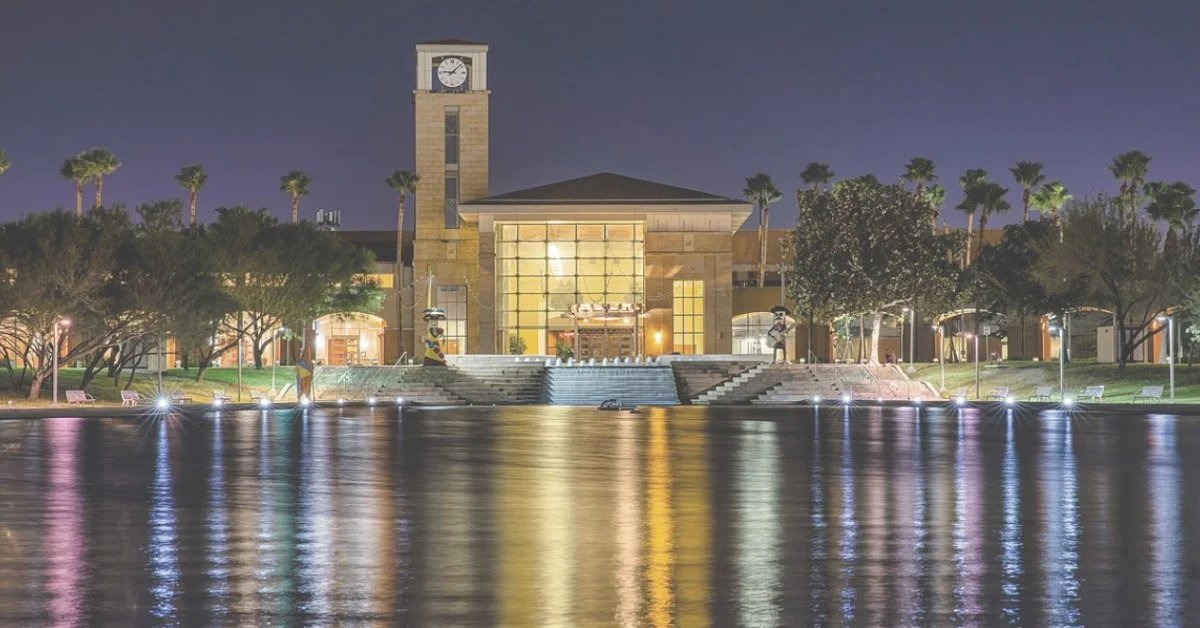
Recently, the RGV has taken noteworthy steps toward governance and collaboration. In 2013, the creation of the University of Texas – Rio Grande Valley exemplifies a move toward better addressing needs across the region. This public institution has the potential to significantly influence health and economic conditions for years to come.
Additionally, in 2019, regional planning organizations consolidated into one body, the Rio Grande Valley MPO, streamlining responses to transportation needs. This collaborative structure aims to better integrate the planning processes that were previously fragmented across various organizations.
Historical Significance
The RGV’s strategic location along the U.S.-Mexico border has historical importance, serving as a site for military posts and trade routes. Agriculture has been a cornerstone of its economy for decades, with significant crops like citrus and sugar cane contributing to its prosperity. Despite its agricultural roots, the region faces challenges in socio-economic equity, with much of its historical development skewed toward a predominantly Anglo-American context.
The Legacy of Economic Disparity
The agricultural focus has historically meant that wealth and resources were unevenly distributed, resulting in a landscape where a disproportionate number of public landmarks celebrate the region’s colonial past. Such disparities continue to influence current development trajectories.
The SpaceX Influence: Opportunities and Risks
Currently, Brownsville stands at a significant crossroads. The arrival of SpaceX introduces possibilities for economic revitalization but is also fraught with challenges. Regarding urban development, recent years have seen local leaders engage in creating community-driven initiatives, resulting in a renewed sense of place. Projects like community gardens, farmers’ markets, and revitalized downtown spaces have spurred local business growth.
However, the influence of SpaceX raises critical questions about local development priorities, particularly concerning housing affordability and job opportunities. As the region adapts to these changes, local voices must be included to ensure that development does not overlook existing community needs.
Addressing Housing Affordability
While currently still an affordable area, rising housing prices in Brownsville could soon outpace income growth, leading to future challenges. Though the cost of living remains lower than national averages, vigilance is needed to ensure that housing remains accessible.
Call for Comprehensive Urban Planning
The dynamic nature of the RGV indicates a pressing need for deeper investigations into urban planning and development. Enhanced research can facilitate better policymaking, provide systematic data, and foster partnerships across sectors. The role of the university system, such as the growing UTRGV, can be pivotal in bringing multidisciplinary input into tackling these challenges.
Collaborative Approaches to Urban Challenges
A multi-sector collaborative approach that includes public entities, educational institutions, private organizations, and civil society can radically transform the urban landscape and address systemic barriers. By pooling resources and expertise, the RGV can shape a comprehensive strategy that encompasses housing, education, and transportation—elements crucial to a thriving community.
Conclusion: Shaping the Future of the RGV
The Rio Grande Valley is a region imbued with potential, standing on the threshold of significant change. By fostering active collaboration among diverse stakeholders and addressing urban challenges head-on, the RGV can realize its aspirations as a vibrant economic and cultural hub. With its unique characteristics and emerging developments, the possibilities for the RGV are indeed promising—if managed thoughtfully.
For more insights into urban development practices, consider exploring regions that have successfully transformed their landscapes and fostered inclusive and sustainable growth.
