


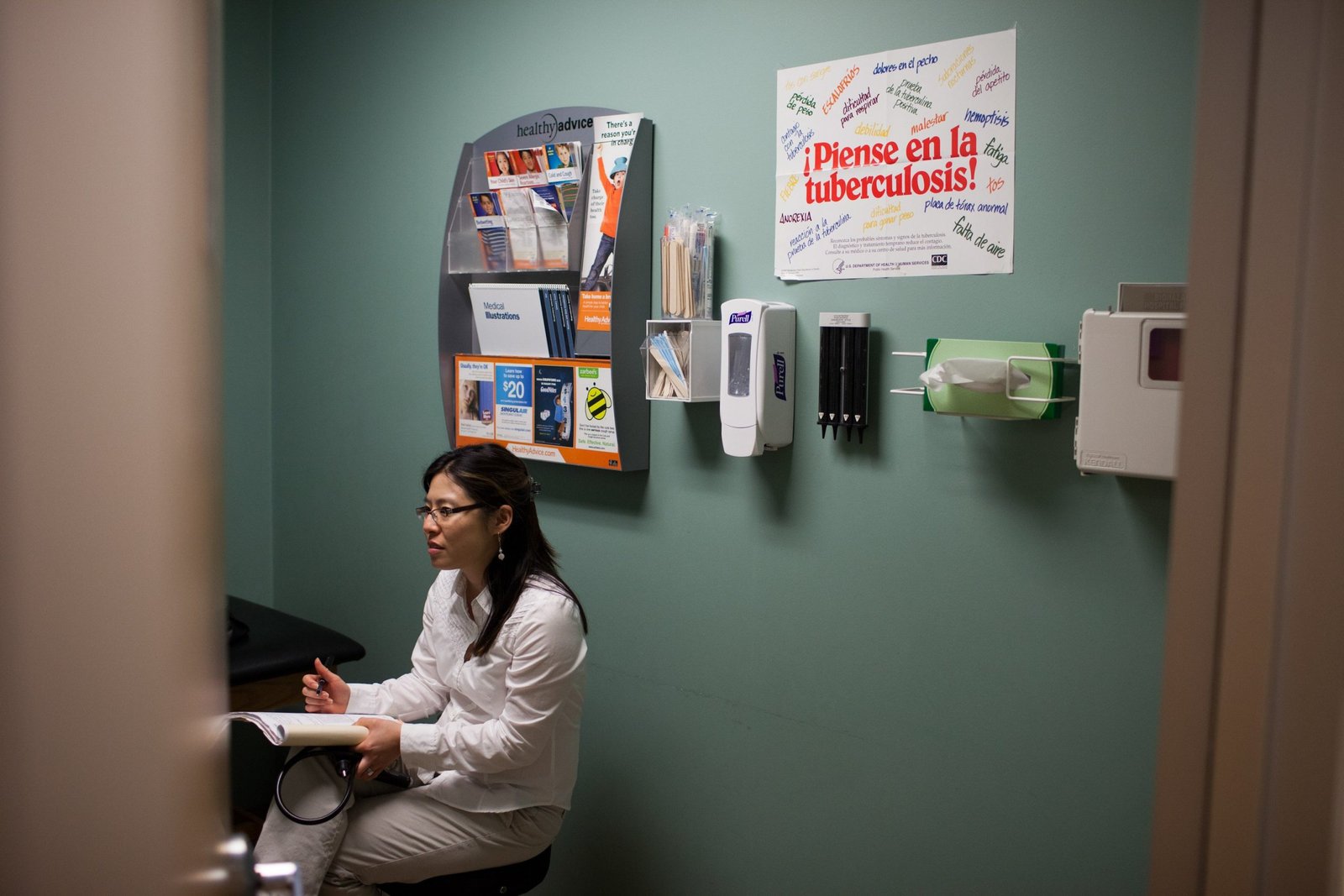
Enhancing Pediatric Healthcare Access in South Texas
Introduction
Access to pediatric healthcare is a pressing issue in South Texas, where many families face significant challenges in obtaining specialist care for children. The recent opening of Driscoll Children’s Hospital in Edinburg marks a hopeful change, yet systemic barriers remain that hinder access to essential medical services.
The Need for Local Pediatric Care
Previously, families in Starr County had to travel over 160 miles to reach the nearest pediatric hospital in Corpus Christi for specialized care. This lengthy journey was not unique; research from Texas State University indicates that over 75% of children in Texas lived more than an hour away from facilities offering emergency and specialized care.
Dr. Mandie Svatek, an associate professor of pediatrics at UT Health San Antonio, emphasizes the critical importance of having a pediatric hospital within 60 miles. “Sixty miles is quite, quite wide,” she notes, advocating for major centers that provide immediate care to avert complications and even death in extreme situations.
In the U.S., children constitute about 25% of emergency room visits, often ending up in adult ERs where providers lack pediatric-specific training. "This can be worrisome," Dr. Svatek warns, citing severe conditions like respiratory distress that ill-prepared facilities might not handle well.
Persistent Issues in South Texas
Despite the opening of Driscoll Children’s Hospital with its 119 pediatric beds, experts argue that much more must be done. The surrounding border counties, notable for their high child and adolescent populations, struggle with significant shortages of healthcare providers. Transportation barriers also play a crucial role, as many families lack access to vehicles, further complicating their ability to seek care.
According to the research, approximately 5% of Texas households do not own a vehicle, and many of these families live over 60 minutes from a pediatric hospital. Rural counties like Brooks, Starr, and Zapata have particularly limited public transportation options, making healthcare even more inaccessible.
Compounding Challenges for Undocumented Families
For undocumented families, even seeking medical help poses unique complications. Dr. Stanley Fisch, a prominent pediatrician who has worked extensively in the Valley, recounts how pre-9/11 policies allowed for more leniency at border checkpoints when seeking medical care. “I could write a note on a prescription pad for patients needing urgent care,” he recalls. “That kind of message doesn’t work anymore.”
The psychological burden of immigration regulations further deters families from seeking necessary medical attention and often leaves them feeling vulnerable.
The Role of Driscoll Children’s Hospital
Driscoll’s establishment is a significant milestone in addressing these access issues. It is now the only pediatric hospital south of Corpus Christi, offering some respite for families needing urgent care without the fear of running into immigration checkpoints. However, logistical challenges persist.
Dr. Fisch notes that even with the new facility, patients may still endure a full day of travel and waiting for procedures. “It’s not something that can be done in a few hours,” he explains, highlighting the reality faced by families who often possess only one vehicle or none at all.
Future Hope for Pediatric Care in South Texas
Despite the challenges, there is optimism for the future of pediatric healthcare in South Texas. Dr. Fisch believes that the combination of Driscoll Children’s Hospital and the University of Texas Rio Grande Valley’s School of Medicine—established in 2014—will eventually attract more medical personnel, enhancing the region’s specialized care offerings.
“The Valley is a wonderful place to live and work. With Driscoll and the medical school, I believe we can improve access over time,” he notes, though he acknowledges that substantial efforts lie ahead.
Recommendations for Parents Seeking Pediatric Care
In emergencies, Dr. Svatek advises parents to consult their primary pediatrician for guidance on which hospital to visit. Additionally, engaging with local hospitals can provide insights into emergency care options in your vicinity.
Conclusion
While the opening of Driscoll Children’s Hospital has made strides in alleviating some barriers to pediatric care in South Texas, significant challenges remain. As the region seeks to improve healthcare access, ongoing efforts will be essential in ensuring that children receive the specialized medical attention they require—a foundational aspect of their health and well-being.
For more information on healthcare services in your area, consider checking local options for pediatric care, including consulting with Texas Community Health News, which provides additional resources and insights into the state of healthcare in Texas.
