


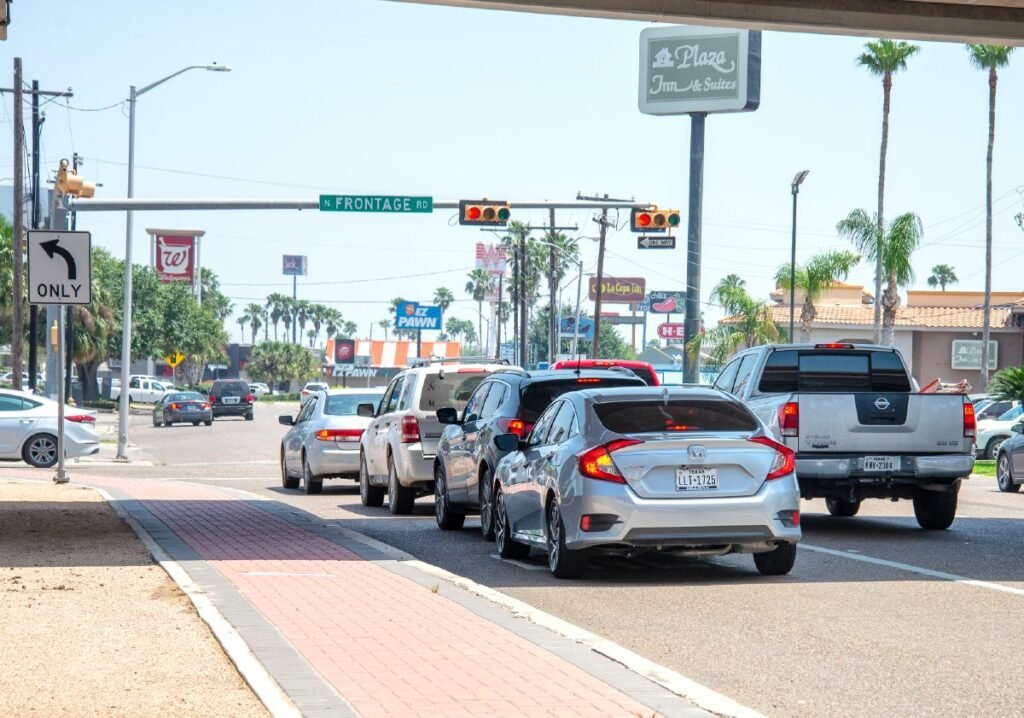
Revitalizing Transportation Infrastructure in the Rio Grande Valley
Introduction
The Rio Grande Valley Metropolitan Planning Organization (RGV MPO) is making significant strides toward advancing stalled transportation projects in the region. With a collective investment exceeding $300 million in fully funded projects, the MPO is set to enhance the area’s infrastructure under the guidance of the Texas Department of Transportation (TxDOT).
The Challenge of Stalled Projects
State Representative Terry Canales from Edinburg highlighted the pressing issue of stalled projects in the Rio Grande Valley, attributing the delays to miscommunications between local officials and TxDOT. Canales emphasized the need for constructive dialogue rather than finger-pointing.
Rising Costs of Delayed Projects
One of the critical consequences of these delays is the escalating cost of infrastructure. Canales illustrated this with a hypothetical example: a project initially valued at $10 million can balloon to $15 million or more after a five-year delay. This increasing financial burden compounds the urgency for resolution.
The Evolution of the RGV MPO
In 2019, the Hidalgo County MPO, Harlingen-San Benito MPO, and Brownsville MPO unified to form a single, more efficient entity: the RGV MPO. This merger positioned the organization as the fifth-largest MPO in Texas, tasked with prioritizing and selecting transportation projects critical to regional development.
Insight from the MPO
Canales sought to understand why specific projects had stagnated. The MPO acknowledged that while they prioritize projects, the responsibility for ensuring their progress falls outside their jurisdiction. This perspective has prompted criticism, as many argue that monitoring project timelines should be a fundamental aspect of their oversight.
Reallocation of Funds
One of the MPO’s essential responsibilities includes the authority to reallocate funding from one project to another. According to Canales, this flexibility should extend to stalled projects, allowing them to secure necessary funding to proceed.
Authority and Accountability
“Logic would dictate that monitoring project progress should be part of their job,” Canales stated. This assertion underlines the need for greater accountability among entities responsible for project execution.
Addressing Growing Pains
Eddie Treviño Jr., the RGV MPO chairman, characterized the stalled projects as “growing pains” resulting from the merger of previous MPOs. Treviño acknowledged that some projects requiring funding are not progressing in tandem with better-prepared projects that may not have received funding.
Efforts Toward Improvement
In responding to TxDOT’s directives, the RGV MPO has initiated changes designed to expedite funding for shovel-ready projects while ensuring that stalled projects can advance appropriately. Treviño noted that projects cannot move forward without collaboration from TxDOT.
Local Involvement and Project Advancement
Treviño explained that delays may stem from local entities failing to fulfill their funding obligations or necessary work. Recently, TxDOT announced its intention to proceed with certain "on-system" projects—state-maintained highways—without local participation. This shift promises to push stalled projects back into motion, facilitating much-needed improvements across the Rio Grande Valley.
Conclusion
The commitment by the RGV MPO, supported by the Texas Department of Transportation, represents a critical movement toward revitalizing transportation infrastructure in the Rio Grande Valley. With a focus on overcoming past challenges and reallocation of funds, the area can expect enhanced connectivity and improved travel conditions for its residents.
For those looking to stay informed, updates on the projects can be found through resources such as RGV MPO’s Official Website and TxDOT.
By addressing the infrastructure challenges head-on and fostering cooperation between local and state agencies, the Rio Grande Valley is set to enhance its transportation framework for future generations.
