


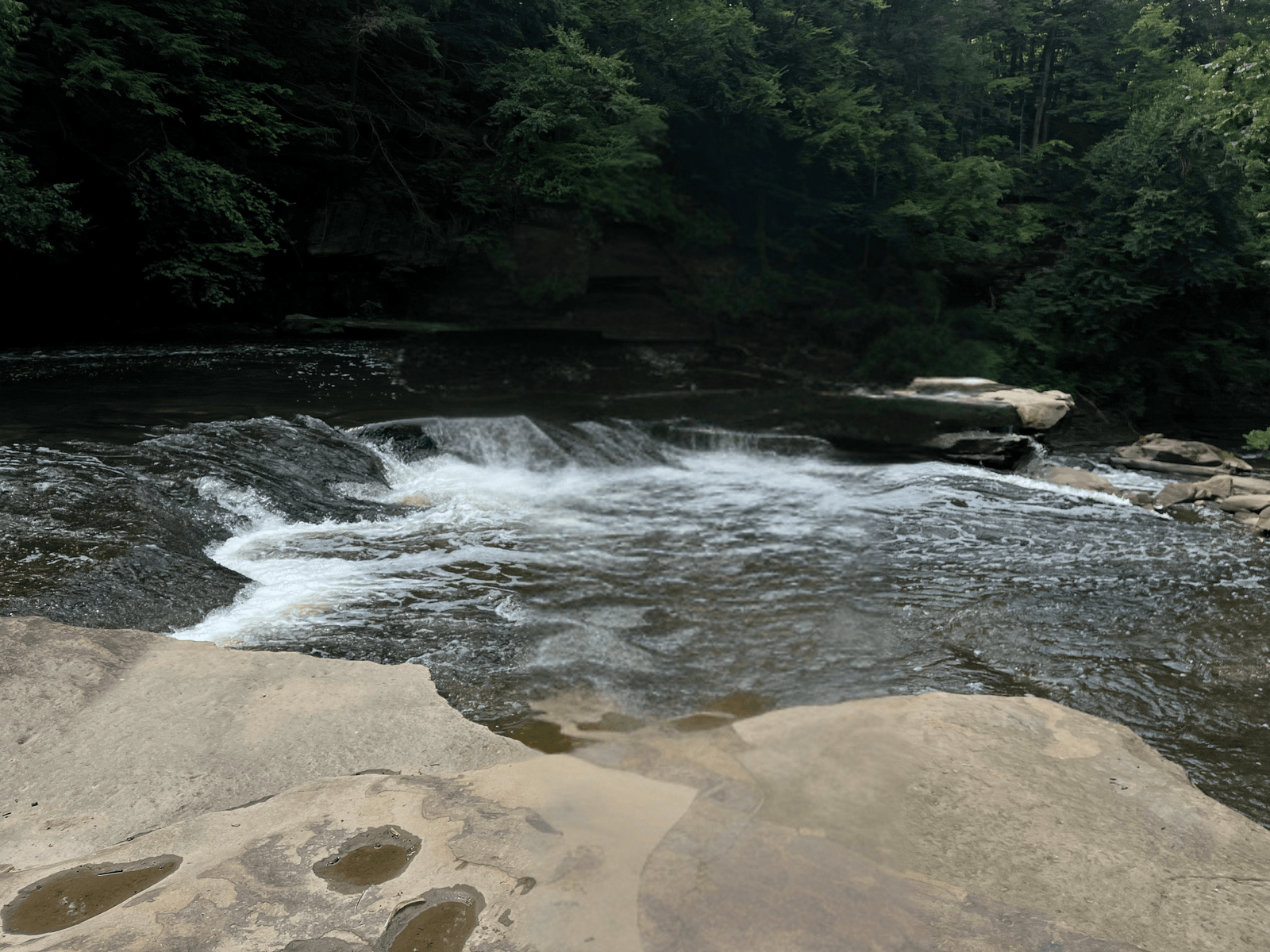
Ohio Wetlands and Streams Face Threat from Proposed EPA Rule Changes
In a significant turn of events, the U.S. Environmental Protection Agency (EPA) has proposed revisions to the Clean Water Act that could weaken protections for over 265,000 acres of wetlands and 50,000 miles of streams in Ohio. This proposal raises concerns over its potential effects on local ecosystems, making it imperative for residents and stakeholders to understand the implications.
Proposed Rule Changes and Their Impact
The new regulations would limit federal protections to only those wetlands that hold surface water during the wet season and are directly connected to continuously flowing or standing bodies of water. Angela Blatt, a senior agriculture policy manager at the Alliance for the Great Lakes, warns that this redefinition leaves many vital wetlands and streams exposed to risks from industrial discharges, agricultural runoff, and ongoing development.
According to the EPA’s press release, the intention behind this proposal is to “cut the red tape” for industries, including energy, technology, agriculture, and development. However, environmental advocates argue that the repercussions could be detrimental to the health of Ohio’s waterways.
Legal Context: Sackett v. EPA
This proposal is rooted in the recent U.S. Supreme Court case, Sackett v. EPA, which redefined what constitutes "Waters of The United States." Jon Devine, the director of freshwater ecosystems at the Natural Resources Defense Council (NRDC), emphasized that even the least damaging interpretation of the ruling was a significant blow to wetland protections nationwide. He fears the current proposal goes beyond what the Supreme Court mandated.
Protection at Stake
Estimates suggest that up to 96% of Ohio’s wetlands could potentially lose federal protections under this proposed rule, according to a survey by the NRDC. The survey analyzed various scenarios that could arise based on different interpretations of the Sackett ruling.
Devine remarked, “We believe that the EPA proposal is likely to have impacts somewhere between our more and most damaging scenarios.” The NRDC is conducting further analyses to assess how the specific language used by the EPA could influence these outcomes.
Significant wetlands near the Cuyahoga River and its tributaries are anticipated to be particularly affected. For instance, Tinkers Creek, the largest tributary of the Cuyahoga, may lose protections over substantial sections of its watershed. This creek is crucial as it runs through multiple communities and local parks.
Community Voices
Erica Matheny, the executive director of the Tinkers Creek Watershed Partners, expressed her concerns about the possible ramifications for Northeast Ohio’s natural resources, including Cuyahoga Valley National Park. “Much could be at risk if this rule passes,” she stated.
The collective loss of protections across several watersheds could pose a severe threat to the Cuyahoga River. Wetlands play a crucial role in filtering toxins before rainwater re-enters rivers, lakes, and streams. If these wetlands lose their protections, pollutants from various watersheds will increasingly find their way back into the Cuyahoga, exacerbating water quality issues.
“If this rule is enacted, we must call on our state and local governments to explore alternative measures to safeguard these wetlands. There is substantial support in Northeast Ohio for preserving our natural areas, and I encourage people to voice their opinions,” Matheny urged.
Public Participation
The EPA is inviting public comments on the proposed rule, with a deadline set for January 5. Residents can submit their views via the Federal Regulations website.
Engagement from the community is vital during this decision-making process, as it can influence the final outcome, ultimately determining the fate of Ohio’s wetlands and waterways.
Conclusion
The proposed changes to the Clean Water Act pose a significant threat to Ohio’s wetlands and streams, essential components of the state’s ecosystem. As the community rallies to protect these invaluable resources, the call for public comment remains an avenue through which citizens can express their concerns and advocate for the preservation of Ohio’s natural heritage.
