


The Rio Grande Shift: Understanding Changing Migration Patterns at the US-Mexico Border
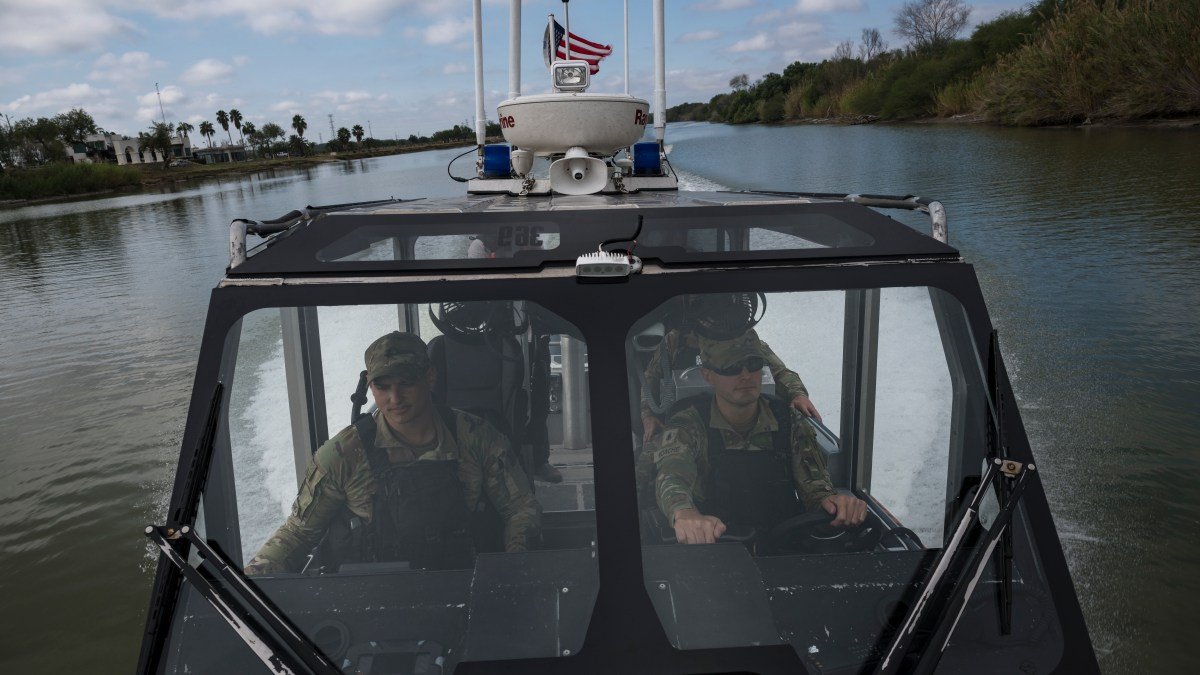
As migration patterns fluctuate, the image of two individuals navigating the Rio Grande in a green inflatable raft underscores a significant shift in border crossings. Once emblematic of desperate attempts to reach the U.S., such scenes are evolving due to stringent immigration policies.
The Current Landscape of Migration
In recent months, U.S. border agents have observed a notable decrease in the number of migrants attempting to cross into the country. From a staggering 250,000 apprehensions reported in December 2023, the numbers have plummeted to fewer than 11,647 in September 2024. This steep decline demonstrates an extraordinary change, reflecting the impacts of policies enacted primarily during President Trump’s renewed administration.
A Crackdown at the Border
President Trump has emphasized that his administration’s stringent immigration policies have transformed the southern border into one of the most secure in U.S. history. In a recent speech, he stated, "We inherited the worst border anywhere in the world and quickly turned it into the strongest border in the history of our country." His comments echo throughout South Texas, where many now feel the effects of these policies in unexpected ways.
Upon regaining office, Trump swiftly declared a national emergency, thereby altering asylum-seeking protocols and reinstating the controversial “Remain in Mexico” policy. Additionally, his administration turned the CBP One app, used for scheduling asylum appointments, into a tool that inadvertently encourages self-deportation, drastically reducing crossings.
Significantly Reduced Crossings
The decline in border crossings has had direct ramifications, as fewer migrants, especially from Central and South America, attempt to reach the United States. These individuals previously traversed lengthy and perilous routes, often putting themselves in the hands of cartels, only to face abysmal odds of securing asylum upon arrival.
Reports indicate that no individual apprehended while trying to cross the Rio Grande has been permitted to stay in the U.S. for over seven months. Instead, migration attempts have become concentrated mainly among Mexican nationals, largely due to the prohibitive costs and risks associated with illegal crossings.
The Human Impacts of Policy Changes
While immigration officials, like 22-year-old Cade van Buskirk of the U.S. Coast Guard, now witness fewer crossings, the local sentiment varies greatly. For instance, communities reliant on the influx of migrants, such as business owners in South Texas, report experiencing economic downturns as foot traffic from cross-border shoppers diminishes.
Fernando Salinas, a local clothing store owner, expresses concern over the dramatic shift: “Two to three years ago, there were lots of Cubans and Haitians crossing the border. I think nobody wants to come here anymore. Mr. Trump has stopped it.”
Underlying Tensions and Moral Arguments
As local economies suffer, figures within the community, such as Father Jorge Gomez, have observed a decline in church attendance and an overall climate of fear among families regarding deportation and discrimination. This reality runs parallel to the administrative hardline stance against undocumented migrants.
Notably, Pope Leo XIV has publicly expressed concern, arguing that current U.S. policy betrays core Christian values, emphasizing the need for humane treatment and dignity for migrants. His viewpoint stands in stark contrast to positions within the Trump administration, where Vice President JD Vance argues that "love thy neighbor" prioritizes responsibilities to family over international humanitarian concerns.
The Future of the U.S.-Mexico Border
Looking ahead, the implications of Trump’s immigration strategies remain complex. While his policies have garnered significant approval ratings, particularly among his supporters, they also risk alienating Latino voters and others who might respond adversely to aggressive law enforcement measures.
Polls indicate that while Trump’s handling of border security finds favor, his administration faces challenges as Latino communities sway towards Democratic candidates, impacted by the harsh realities of increased ICE raids and deportations.
In summary, the dynamics at the Rio Grande offer a lens into the far-reaching consequences of immigration policy shifts. As a historic river that symbolizes both hope and division, the Rio Grande serves as a poignant backdrop to the ongoing narrative of migration, security, and community transformation in America.
Conclusion
The landscape of migration and border security is ever-changing, influencing local economies and community sentiments. Observing these transformations is critical in understanding America’s evolving relationship with immigration, and setting the stage for future dialogues on humane treatment, national security, and economic resilience.
For further reading on the effects of immigration policies and border security, consider resources from Pew Research and U.S. Customs and Border Protection.
