


Final Group of Kidnapped Nigerian Schoolchildren Freed: A Month-Long Ordeal Comes to an End
In a significant development in Nigeria’s ongoing struggle with insecurity, the last group of 130 schoolchildren kidnapped from St. Mary’s Catholic School has been freed. This release signals the end of a harrowing month for the families involved and draws attention to the escalating crisis of abductions in the region.
Background of the Kidnapping Incident
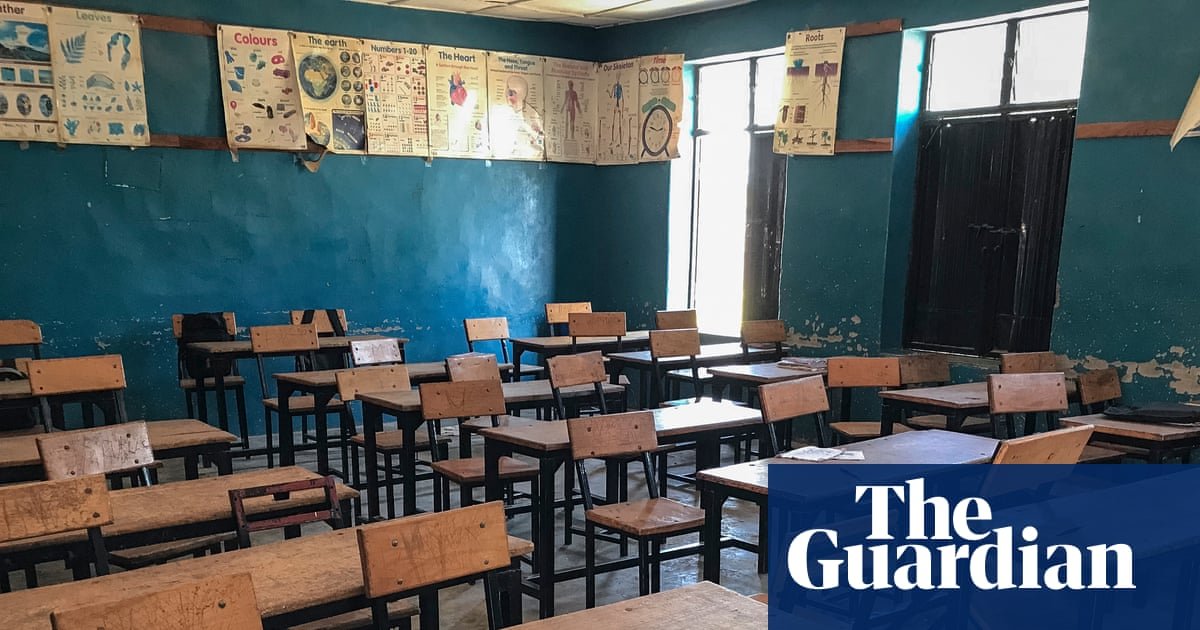
On a fateful day last month, an armed group stormed St. Mary’s Catholic School located in the Papiri community of Niger State. During this incident, approximately 215 schoolchildren and 12 teachers were taken, prompting widespread concern both nationally and internationally.
The initial aftermath saw 50 children manage to escape shortly after the abduction. A subsequent release on December 7 saw another 100 students freed. The final group was announced by presidential spokesperson Sunday Dare, who posted the news on X, affirming that "none [is] left in captivity," bringing relief to countless families.
The Release and Ongoing Challenges
The release of the remaining children is believed to have occurred near Nigeria’s border with Benin. Nonetheless, precise details surrounding their release—such as the negotiations or the perpetrating group—remain shrouded in mystery. As has been typical in previous incidents, authorities have not disclosed how the children regained their freedom.
This incident highlights the growing issue of kidnap-for-ransom cases in Nigeria, which represent one dimension of a complex security crisis. Armed bandits and jihadist groups continue to present serious threats to both rural and urban communities.
A Broader Context of Insecurity
The Papiri school kidnapping is not an isolated event; it marks the second mass abduction of schoolchildren in just a week and the second in Niger State in four years. For a historical perspective, one of the most notorious cases occurred in 2014, when over 200 schoolgirls were abducted from Chibok, spurring a global movement championed by figures such as Michelle Obama and Elton John.
Statistics from SBM Intelligence, a Lagos-based geopolitical advisory, indicate that there were at least 4,722 kidnapping victims in Nigeria between July 2024 and June 2025, with over 762 fatalities and approximately $1.66 million paid in ransom.
International Responses and Implications
The deteriorating security situation has attracted international attention and concern. Former U.S. President Donald Trump even threatened military action against Nigeria, labeling it as a country of particular concern. His administration framed the issue as a "Christian genocide," a characterization that the Nigerian government has vehemently rejected, arguing that it simplifies a complex crisis.
Conclusion: A Call for Comprehensive Solutions
The release of the final group of kidnapped schoolchildren is a much-welcomed relief but emphasizes the urgent need for effective strategies to combat the growing threat of abductions in Nigeria. Strengthening security measures, engaging local communities, and focusing on intelligence-driven operations are critical components needed to reduce these occurrences and restore safety to schools across the country.
For further reading on the state of security in Nigeria, consider exploring resources on kidnapping statistics in Nigeria and the evolving nature of security challenges in the Sahel region.
Explore More
This ongoing crisis not only poses a grave threat to the safety of students but continues to endanger the fabric of Nigerian society as a whole.
