


The Shifting Power Landscape in Gaza: A Post-War Analysis
The aftermath of the recent conflict in Gaza has given rise to a complex and fragmented power struggle, changing the political and social dynamics within the region significantly. With various factions vying for influence, the future remains uncertain for the residents as the shadows of violence loom large.
The Assassination that Shook Gaza
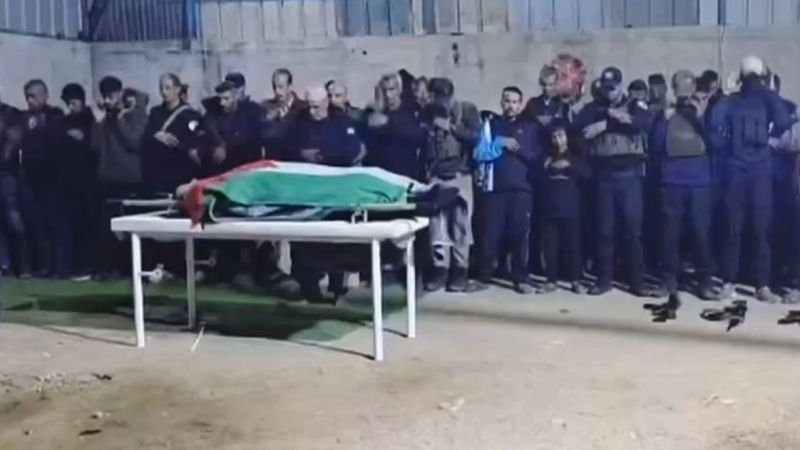
In early November, a shocking incident unfolded in southern Gaza when Sheikh Mohammed Abu Mustafa, a prominent imam, was assassinated outside his mosque. A gunman on a motorcycle shot him as he exited after leading afternoon prayers, a stark reminder of the escalating violence in the region. Local Islamist militant groups attributed this targeted killing to an Israeli-supported militia, shedding light on the intricate web of allegiances and enmities that shape the present-day conflict.
Internal Conflicts and New Militias
Following the assassination, a Hamas-affiliated group accused the slain imam of being involved in concealing Israeli hostages during the recent conflict, framing him as a jihadist. This killing highlighted a significant shift in the internal power dynamics as the newly formed militia, led by Hussam Al-Astal—an individual with a contentious past—is openly challenging Hamas’s rule. Al-Astal’s group, referred to as the Counter-Terrorism Strike Force, operates in the Israeli-occupied regions of Khan Younis, executing raids against Hamas and attempting to bolster its domestic support.
A Divided Gaza
As the war settles, Gaza appears to have split into two distinct territories: the Hamas-controlled western region, which is home to the majority of the population, and the eastern zone, controlled by the Israeli military, marked by a stark decline in civilian presence. Within these areas, several smaller armed groups are attempting to assert their dominance, creating factions that operate under a common goal—the dethronement of Hamas.
The Surge of Armed Factions
Under Israel’s scrutiny, at least five factions have emerged within this militarized enclave. Initially fragmented and opportunistic, these militias have consolidated under a coordinated network, displaying ambitions to govern in the post-Hamas landscape. They openly discuss their objectives, claiming solidarity in their united fight against Hamas, a stark reflection of the internal divisions.
The arresting visuals of masked fighters, weaponized and making public statements are frequently circulated on social media, demonstrating their intent to disrupt the previously stabilized power structure. Despite their small size and lack of sophisticated weaponry, these militias are igniting tensions through a series of insurgent attacks aimed at Hamas, which has been struggling to maintain its authority amidst this upheaval.
Hamas’s Response: Counteraction and Disorder
Hamas is not remaining passive in the face of these threats. Intensifying its efforts to quell this internal rebellion, Hamas has begun hunting down these militias. The growing violence and unrest have led ordinary Palestinians in Gaza to fear an impending civil conflict, further illustrated by grisly reports circulating on social media, depicting violent retaliatory acts against suspected collaborators.
Celebrations of Violence
In a shocking display of the contentious atmosphere, Hamas-affiliated groups celebrated the death of Yasser Abu Shabab, a leader of one of the prominent anti-Hamas factions, broadcasting the message that his faction was responsible for significant suffering within the enclave. Social media has acted as a tool for propaganda, amplifying both fear and jubilation amidst ongoing violence.
The Ambitions of Armed Groups
The tensions emanating from internal strife illustrate that the ambitions of groups like the Popular Forces, Popular Army, and Counter-Terrorism Strike Force extend well beyond a mere challenge to Hamas. These factions are attempting to position themselves as viable governance alternatives, seeking to recruit anyone from medical professionals to educators, promising financial compensation to bolster their ranks.
Recruitment and Local Governance
Rami Hallas, commander of the Popular Defense Army, has claimed that his group is primarily composed of former prisoners, whose roles have since evolved to include securing humanitarian aid routes. Their aspirations reflect a larger project aimed at establishing governance, though the future remains uncertain as they strive for legitimacy.
International Backing
Notably, these armed factions are reported to have support from Israel, especially in areas earmarked for potential reconstruction after the conflict. This backing raises questions about the legitimacy and the broader geopolitical implications, as these groups declare their role in Gaza’s future.
The Uncertain Future of Gaza’s Residents
Even as these militias strive to emerge as future powerbrokers, the conditions on the ground reflect a multi-layered complexity that could lead to more violence. The sentiments of Gaza’s residents, who grapple with the implications of moving into militarized areas, complicate the prospects for any significant population shift.
Reluctance to Transition
Many residents express deep hesitancy about relocating to these faction-controlled territories, fearfully associating such moves with further instability and danger. The prevailing sentiment is one of wariness; the prospect of moving towards an unknown is not appealing when surrounded by an atmosphere of power struggles and uncertainty.
Conclusion: Navigating a Volatile Landscape
The post-war landscape in Gaza remains fraught with challenges as multiple factions vie for influence amidst a backdrop of heightened tension and violence. While the militias work toward establishing their own governance, the residents are left navigating a turbulent existence in a region still engulfed in uncertainty. As the aspirations of these armed groups unfold, the future of Gaza will depend on the collective will and the resilience of its people to move towards a path that can lead to lasting peace.
This narrative reflects the complexities at play in Gaza today, providing a glimpse into the intricate social and military rivalries shaping the region’s future. Each faction, each assassination, and each act of violence creates ripples that will define the course of this war-torn enclave for years to come.
