


Rio Grande Valley to Experience Warmer and Drier Winter: Forecast Insights
Overview of Seasonal Outlook for the Rio Grande Valley
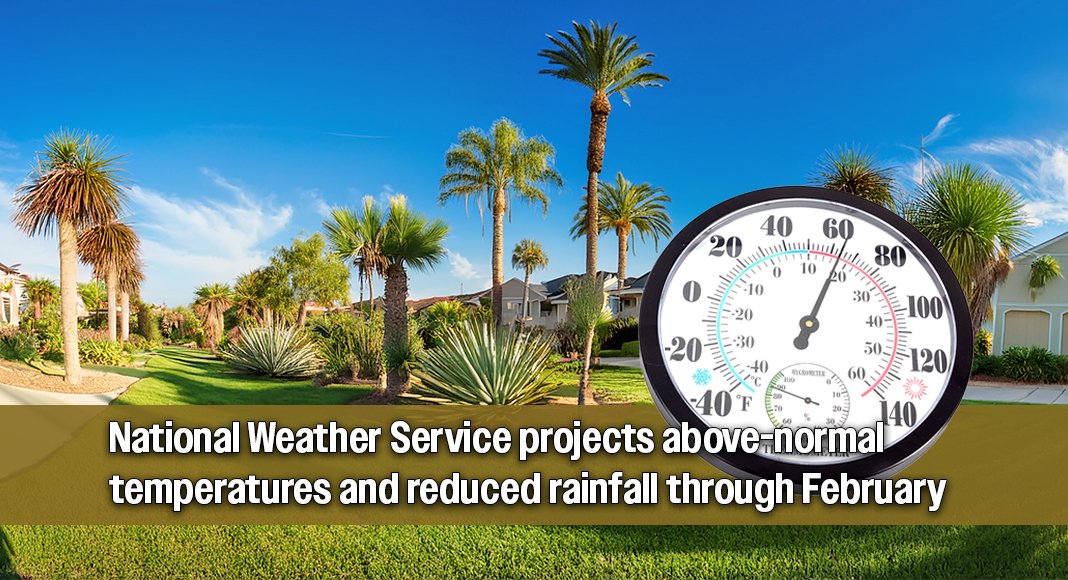
The Rio Grande Valley is poised for a winter that deviates from the norm, according to the latest seasonal outlook from the National Weather Service. Spanning December 2025 through February 2026, this forecast indicates a likelihood of warmer and drier conditions than usual.
Temperature Predictions
The seasonal outlook highlights the Valley as a region significantly affected by rising temperatures, categorizing it within an area with a high probability of above-normal temperatures. Meteorologists have assigned a confidence level of 60 to 80 percent for warmer conditions during the winter season. This indicates a medium-high confidence that residents can expect milder temperatures than the historical averages typically observed this time of year.
Understanding the Temperature Map
The seasonal temperature outlook map designates the Rio Grande Valley as “Above," indicating a strong expectation for warmer-than-normal conditions. This shift is no small matter, as variations in temperature can lead to noticeable changes in the environment.
Precipitation Forecast
Alongside the temperature changes, the precipitation outlook for the Rio Grande Valley is equally concerning. The forecast predicts a zone of below-normal rainfall, with the National Weather Service estimating a high confidence level of 70 to 90 percent that the region will experience less precipitation than usual this winter.
Importance of the Precipitation Map
The precipitation outlook labels the Rio Grande Valley as “Below,” indicating that drier-than-normal conditions are anticipated. These projections are crucial for understanding upcoming challenges related to water resources and agricultural practices in the area.
Implications of a Warmer and Drier Winter
Meteorologists emphasize that a warmer and drier winter can lead to several significant changes in the region, including:
-
Fewer Cold Fronts: The reduced occurrence of strong cold fronts could impact local climate dynamics.
-
Lower Rainfall Totals: This decline in precipitation may become a concern for agricultural sectors that rely heavily on consistent water supply.
-
Increased Wildfire Risk: Drier conditions can elevate the potential for wildfires, which pose risks to both property and natural ecosystems.
- Milder Temperatures for Residents: Residents are likely to experience a winter season marked by milder temperatures, impacting day-to-day living and outdoor activities.
Short-term vs. Long-term Forecasts
While this seasonal outlook provides a comprehensive overview of expected trends, the National Weather Service emphasizes the importance of short-term forecasts to monitor specific weather events. Individual updates will continue to refine predictions regarding potential cold fronts, rain opportunities, and temperature fluctuations throughout the winter season.
Addressing Public Concerns
Residents are encouraged to stay updated via the National Weather Service for real-time data. Understanding the seasonal outlook is crucial for preparing adequately for what lies ahead in terms of weather conditions and their implications.
Conclusion
The Rio Grande Valley’s upcoming winter, as forecasted by the National Weather Service, is set to be warmer and drier than usual. With a medium-high confidence in above-normal temperatures and high confidence in below-normal precipitation, it is essential for residents and local businesses to prepare for the environmental changes that will undoubtedly take place. By staying informed and engaged with updates, the community can effectively navigate this unusual winter season.
For further insights and updates on the ongoing weather forecasts, visit Weather.gov and stay informed to adapt to the evolving conditions.
