


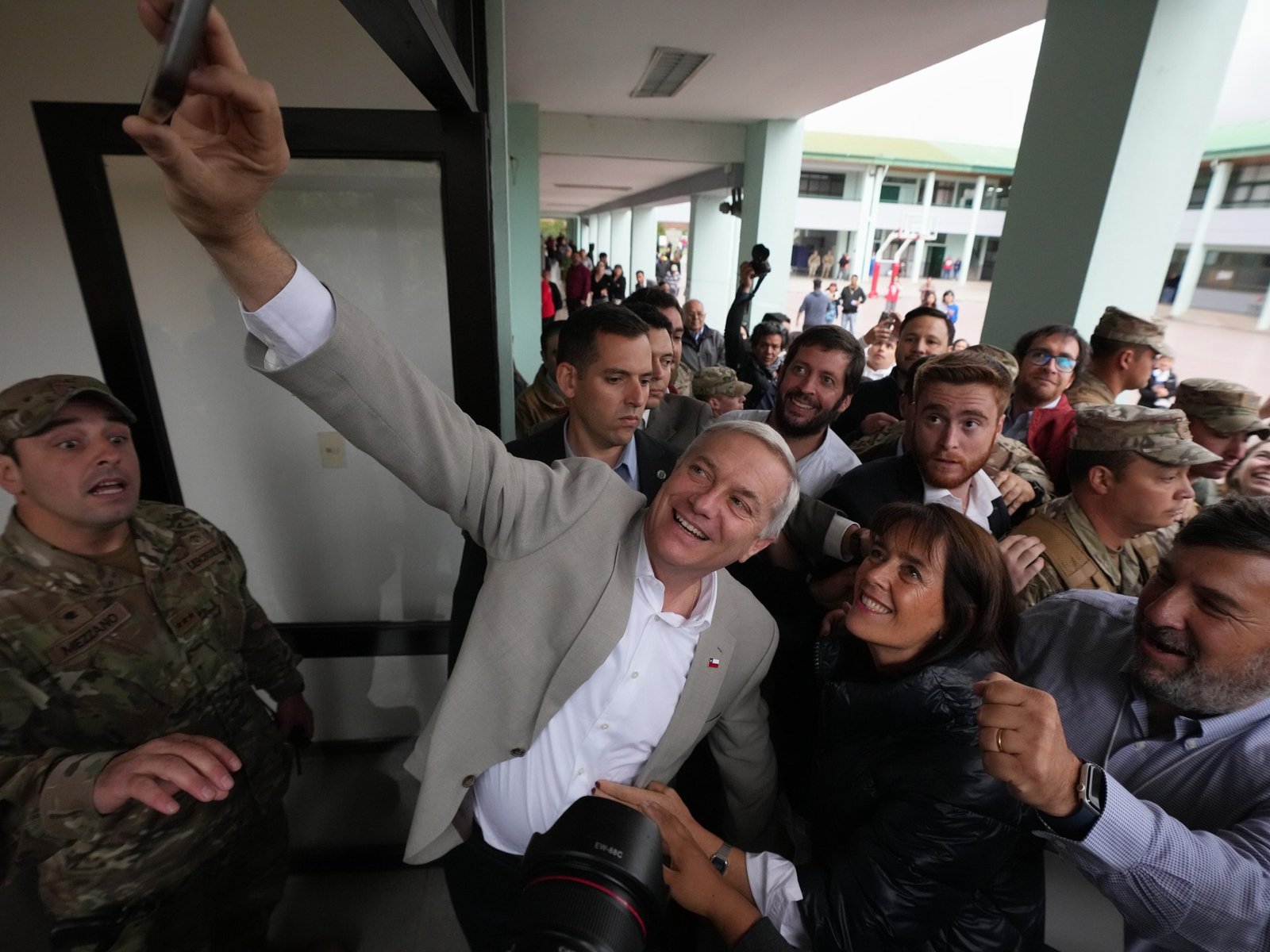
Jose Antonio Kast Elected as Chile’s New President: A Shift to the Far Right
In a landmark election, far-right candidate Jose Antonio Kast has assumed the presidency of Chile, making history as the country’s 38th leader. This political shift marks a significant departure from the centre-left coalition that has governed the nation. With 58% of the vote, Kast triumphed over former Labour Minister Jeannette Jara, a member of the Communist Party and representative of the governing coalition.
A Clear Mandate for Change
Following the election, Jara promptly conceded defeat, acknowledging the voice of the electorate on social media. "Democracy has spoken loud and clear. I wish President-elect Kast success for the good of Chile," she stated, affirming her commitment to continue striving for a better nation alongside her supporters.
Kast, in his victory speech, framed the election results as a "broad mandate" to enact his agenda. Emphasizing unity over partisanship, he declared, "This is not a personal achievement… Chile won here, with the hope of no longer living in fear, of a Chile that works."
Context of the Election: A Shift in Public Sentiment
Kast’s election is part of a broader trend across Latin America, where far-right leaders have recently gained traction in countries like Argentina and Ecuador. This newly elected candidate’s victory becomes particularly notable in light of the declining popularity of Gabriel Boric, the outgoing president. With factors such as rising crime rates, economic challenges, and immigration concerns weighing heavily on voters’ minds, Kast successfully tapped into these sentiments, promising significant reforms.
A Hardline Platform Focused on Security
Kast, the 59-year-old leader of the Republican Party, has long been known for his tough stance on crime and immigration. His security strategy, dubbed the "Implacable Plan", emphasizes stringent measures including:
- Mass deportations
- Increased mandatory minimum sentences
- Enhanced incarceration standards for serious offenders
He has gained attention for his assertion that "honest Chileans are locked in their homes, paralyzed by fear" due to criminal activity. His campaign’s hardline approach, which promises to restore law and order, resonated with voters seeking assurance amidst escalating security concerns.
Controversial Ties to Chile’s Dictatorial Past
Despite his electoral success, Kast’s past has garnered scrutiny. He has made sympathetic statements regarding Augusto Pinochet, the military dictator who ruled Chile from the 1973 coup until 1990. Kast’s previous comments, including, "If he were alive, he would vote for me," have sparked debate around his political ideology and approach to governance.
Furthermore, his father’s association with the Nazi Party has fueled criticism from opponents, making his victory even more contentious. While Kast attempts to downplay such connections, these aspects continue to loom large in public discourse concerning his presidency.
A New Era in Chilean Politics
This election marks the first instance of such a conservative government in power since Chile’s return to democracy in 1990, igniting both excitement and apprehension among various demographics. Al Jazeera correspondent Lucia Newman noted the unprecedented significance of Kast’s presidency for the Chilean right. However, she also emphasized the uncertainty surrounding how conservative his administration will ultimately be, as he has sought to moderate certain stances leading up to the election.
Reactions from the Global Right
As news of Kast’s victory spread, prominent right-wing leaders across the Americas extended their congratulations. Marco Rubio, former Secretary of State, expressed optimism towards future collaboration between the U.S. and Chile under Kast’s administration. Javier Milei, Argentina’s libertarian president, declared Kast’s victory as a win for political freedom across Latin America, while Ecuador’s Daniel Noboa heralded a new era for the region.
The Road Ahead: Challenges in Governance
Kast’s presidency will not be without obstacles. Despite his electoral win, he will face a diverse National Congress that may impede some of his more hardline ambitions. He is set to take office on March 11, 2025, but the divided political landscape may necessitate compromises and adaptations to his ambitious proposals.
The recent election signifies not just a political shift but a potential seismic change for Chile’s socio-political climate. How Kast navigates this complex landscape will be critical in shaping Chile’s future trajectory.
For more updates and in-depth coverage on the political climate in Latin America, visit the World Politics section of global news platforms.
