


The Significance of Local Elections: A Case Study from Albuquerque
Understanding the Middle Rio Grande Conservancy District
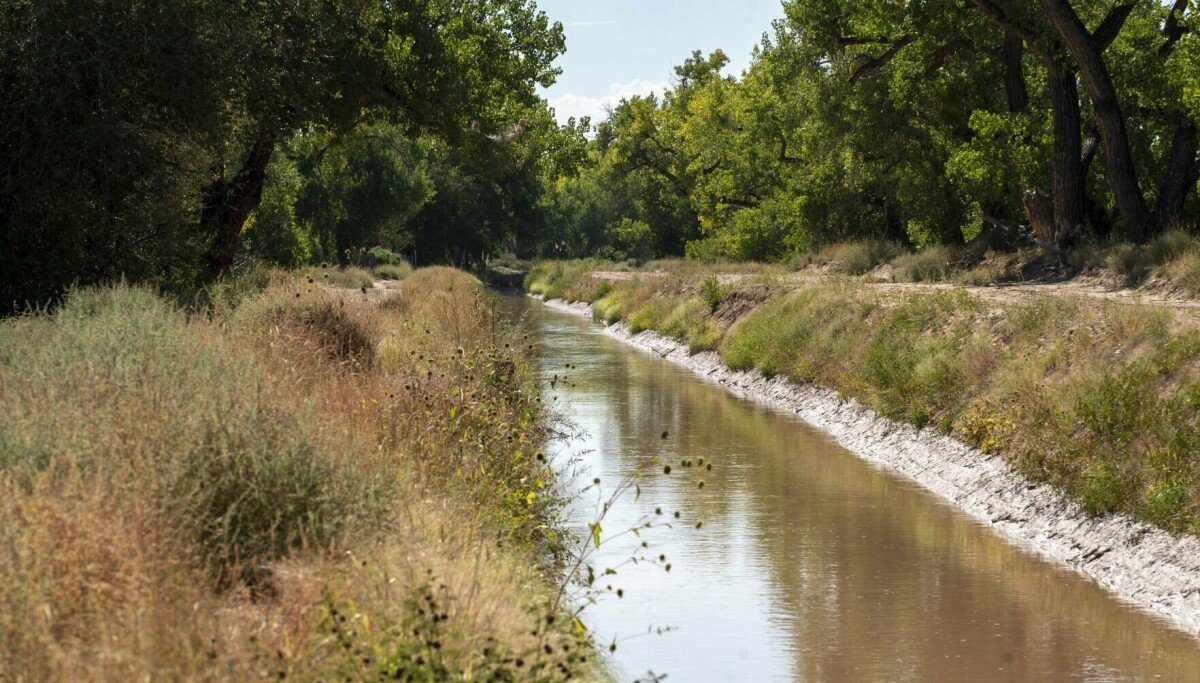
Local governance plays a vital role in the daily lives of citizens, particularly in resource management. A recent election held by the Middle Rio Grande Conservancy District (MRGCD) provides a troubling snapshot of civic engagement in New Mexico. This agency is responsible for managing the flow of the Rio Grande through various counties, including Sandoval, Bernalillo, Valencia, and Socorro. The role of the MRGCD extends beyond irrigating lands; it is also crucial for maintaining acequias and ensuring effective flood control in the Rio Grande Valley.
Voter Turnout: A Stark Reality
In this election, the turnout was shockingly low. With 64,259 eligible voters, only 259 ballots were cast, resulting in the election of candidates with minimal popular support; one at-large seat was claimed with just 74 votes—a mere one-tenth of one percent of those eligible. Such figures raise critical questions about voter engagement and the mechanics of local elections.
Legislative Changes and Their Impact
The landscape of local elections in New Mexico was altered significantly in 2018 when the state legislature consolidated smaller elections, such as those for school boards and water conservancy districts, into a unified ballot. The aim was to simplify the voting process and increase turnout. However, during the 2025 session, the MRGCD successfully argued for an exemption from participating in the upcoming municipal elections scheduled for November 4.
Despite efforts from organizations like the League of Women Voters of Central New Mexico, which attempted to provide a voter guide for constituents, the realization was stark: the lack of engagement left the process almost unnoticed. Even with efforts to distribute flyers and spread news about the elections, the response was alarmingly silent.
The Dangers of Apathy
While national concerns about democracy often take center stage, the real danger might lie closer to home. When local institutions, like the MRGCD, are dismissed or ignored, citizens inadvertently surrender their civic responsibilities. If an election can be won with merely one vote—possibly even by the candidate themselves—what does that indicate about communal commitment to self-governance?
Underestimating the importance of local elections can foster an environment of complacency, where indifference becomes the norm. This apathy not only undermines the democratic process but also weakens the institutions that shape our lives.
In Conclusion: Prioritizing Civic Engagement
So, what can be learned from the recent elections held by the MRGCD? Engaging with local governance is essential. It’s not merely about who wins or loses; it’s about cultivating an informed electorate. As discussions surrounding democracy evolve, one question deserves our attention: Who really cares? If indifference reigns, democracy might not need external threats to falter; neglect will suffocate it from within.
Get Involved and Stay Informed
For those interested in local governance and civic participation, it’s essential to stay informed about upcoming elections and community issues. Understanding the roles of local agencies, such as the MRGCD, is critical for fostering a healthier democracy. Engage with local organizations and participate actively in community discussions to reclaim ownership of the electoral process.
Learn more about Rio Grande resources and how water management affects our daily lives.
By prioritizing local elections and remaining engaged, we ensure that our collective voice is heard, thereby solidifying the foundations of democracy at all levels.
