


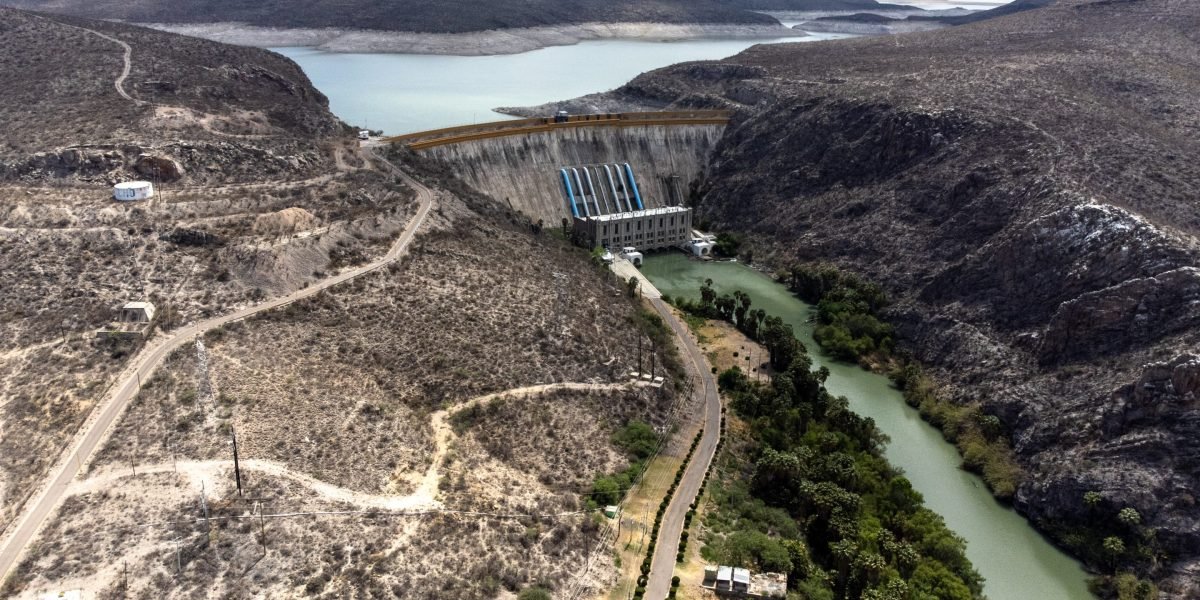
End of Water Dispute Between the US and Mexico: A New Agreement on Border Water Management
Understanding the Recent Agreement on Water Deliveries
In a significant development, the United States and Mexico have reached an agreement to resolve a prolonged dispute regarding water delivery at the Texas border. This resolution comes just days after former President Donald Trump threatened to impose additional tariffs on Mexican imports due to ongoing water shortages impacting communities along the border.
According to a statement from the US Department of Agriculture, Mexico will provide an additional 202,000 acre-feet of water starting the week of December 15. Furthermore, both countries have committed to finalizing a comprehensive distribution plan by the end of January.
The Historical Context: The 1944 Water Treaty
To fully understand the implications of this agreement, one must consider the context of the situation. The 1944 Water Treaty between the US and Mexico mandates that Mexico must deliver 1.75 million acre-feet of water over a five-year period from the Rio Grande, while simultaneously requiring the US to deliver 1.5 million acre-feet from the Colorado River to Mexico. This treaty aims to facilitate cooperative water management between the nations, particularly important during periods of drought and water scarcity.
Current Water Shortages and Delays
The agreement comes amidst rising tensions, as the US administration claims Mexico is currently 865,000 acre-feet short of its delivery obligations under the treaty. Water shortages in the Rio Grande Valley have left many farmers and ranchers struggling to cope. Despite these allegations, Mexican President Claudia Sheinbaum’s administration maintains that Mexico has adhered to treaty obligations, asserting that water deliveries have continued even amid severe drought conditions.
Addressing Concerns: Points of Contention
The immediate resolution of this water conflict is crucial, especially considering Trump administration’s potential economic repercussions. He had threatened to impose a 5% tariff on Mexican goods if water delivery issues were not resolved by December 31. The financial implications of such tariffs could be significant, and both governments are eager to avoid escalation.
The Agriculture Secretary’s Insights
US Agriculture Secretary Brooke Rollins labeled the recent agreement as “a step in the right direction,” while cautioning that further tariff measures could still be enforced if Mexico fails to comply with water delivery obligations. This emphasizes the ongoing scrutiny on Mexico’s adherence to the treaty and highlights the potential consequences of any future violations.
Moving Forward: A Collaborative Approach
Both governments are optimistic that this agreement will strengthen water management in the Rio Grande basin. It provides a promising framework for addressing water scarcity and fostering cooperation between the two nations, especially in light of extreme drought conditions affecting various regions.
Next Steps in the Agreement
The newly crafted plan seeks not only to address immediate shortages but also to establish ongoing mechanisms for water distribution and management. By finalizing the broader distribution plan by the end of January, both countries aim to enhance cooperative efforts that will benefit communities on both sides of the border.
This agreement serves as a crucial step towards mitigating tensions and fostering collaborative water management between the US and Mexico. As water resource issues continue to emerge globally, the focus on bilateral cooperation remains critical.
Conclusion
The resolution of the water dispute between the US and Mexico represents a pivotal moment in their longstanding partnership. By adhering to the stipulations of the 1944 Water Treaty and working collaboratively, both nations can create a more sustainable approach to water management, potentially serving as a model for other regions facing similar challenges.
