


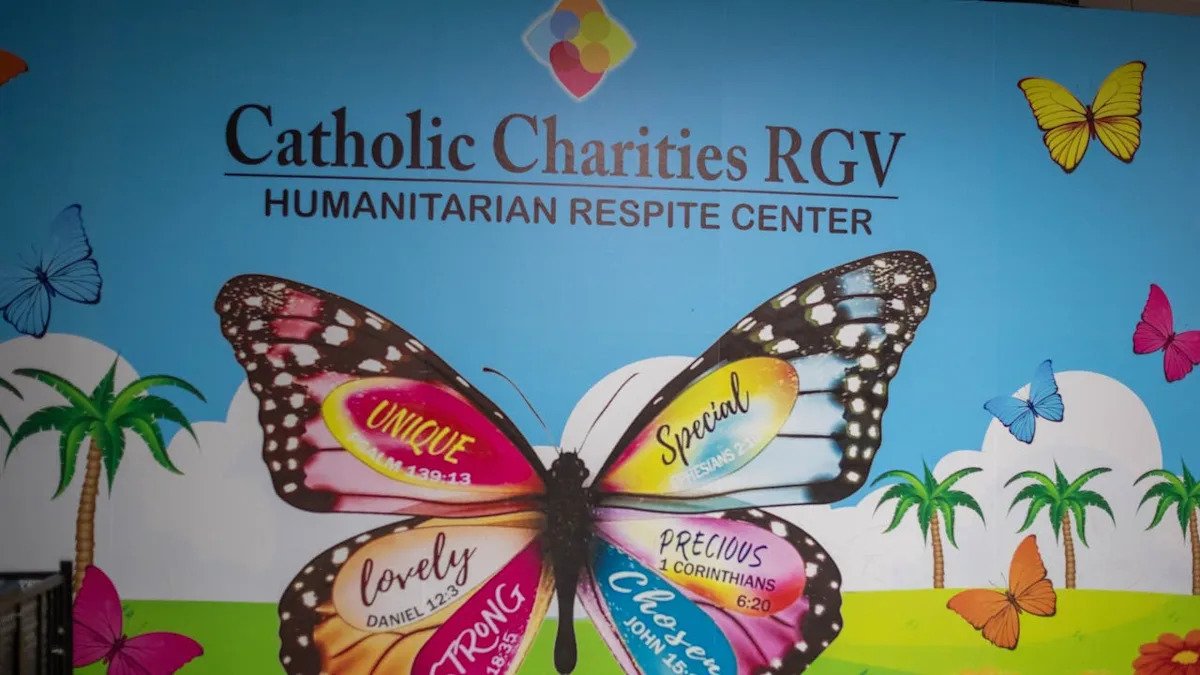
Federal Backlash: Catholic Charities of the Rio Grande Valley Debarred Over Grant Misuse
Overview
The U.S. Department of Homeland Security (DHS) has imposed a six-year debarment on the Catholic Charities of the Rio Grande Valley (CCRGV), a prominent migrant shelter in McAllen, Texas. This action stems from allegations of improper grant usage that has raised significant concerns within the nonprofit community and among immigration advocates.
Allegations Against the CCRGV
Mismanagement of Federal Funds
The DHS’s decision followed a thorough investigation conducted by the Federal Emergency Management Agency (FEMA) on behalf of the department. The inquiry revealed that CCRGV had committed a staggering 248 instances of using federal funds outside of the stipulated 45-day period authorized for assisting migrants post-release from Customs and Border Protection (CBP). Such violations not only breach federal guidelines but also undermine the trust placed in nonprofits that operate in the humanitarian space.
According to reports from Fox News, the mismanagement of grants, as documented by FEMA, forms the crux of the DHS’s debarment. The funding in question is integral to supporting individuals seeking asylum in the United States—highlighting the stakes involved in compliance with the federal funding framework.
The Response from Sister Norma Pimentel
Defense of Operations
Sister Norma Pimentel, who leads CCRGV, has publicly defended the shelter’s use of federal funding. Known for her compassion and dedication to aiding migrants, Pimentel argues that every dollar allocated was rightfully utilized to care for those sent by CBP. She emphasizes the organization’s commitment to restoring dignity to individuals in vulnerable situations through their humanitarian outreach efforts.
"Those on the front lines of our humanitarian outreach know the work we do truly helps restore human dignity," Pimentel stated, underscoring her dedication to the mission.
Commitment to Compliance
In a statement released by CCRGV, the organization asserted that it has always strived to adhere to federal grant requirements. Pimentel reiterated this commitment, explaining that the funds were employed exclusively for the well-being of migrants, thus maintaining compliance with the outlined federal guidelines.
The statement concluded with a poignant bible verse:
"For I was hungry and you gave me food, I was thirsty and you gave me drink, a stranger and you welcomed me." (Matthew 25:35)
Understanding the Impact
Broader Implications for Nonprofits
The debarment of CCRGV raises questions about the broader implications for nonprofit organizations that operate in the immigration space. With federal scrutiny growing fiercer, it becomes crucial for these entities to ensure meticulous compliance with all grant requirements. The CCRGV case illustrates the potential risks associated with federal funding and the importance of accounting protocols.
The Future of CCRGV
While CCRGV has faced significant challenges due to this ruling, the organization has not issued additional statements following the funding freeze. The nonprofit’s next steps remain unclear, but Pimentel’s past recognition by organizations like Time Magazine as one of the "100 Most Influential People" of the year showcases an enduring commitment to activism and service.
Conclusion
The recent debarment of Catholic Charities of the Rio Grande Valley serves as a stark reminder of the responsibilities accompanying federal funding in the nonprofit sector. As organizations face increased scrutiny, it is vital for them to uphold rigorous standards of governance and transparency to ensure they continue to fulfill their humanitarian missions effectively.
For more information on federal grant management and compliance, visit FEMA’s official site and stay informed on the latest developments in nonprofit governance through Fox News and the Texas Tribune.
