


Travel Advisory for the Texas-Mexico Border: Safety Concerns
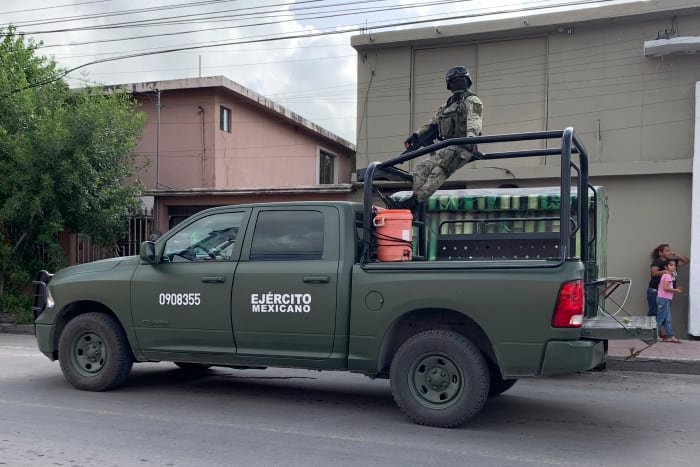
The U.S. government has issued a significant warning urging citizens to refrain from traveling to specific areas of the Texas-Mexico border due to escalating security concerns. This advisory highlights the potential dangers travelers may face, particularly in Tamaulipas, a Mexican state directly across the border from the Rio Grande Valley.
Reasons for the Advisory
According to the U.S. Embassy and Consulates in Mexico, the advisory was prompted by a rise in violent incidents, including gun battles in and around Reynosa, particularly during late-night hours. Reynosa lies just across from Hidalgo, highlighting the close proximity of these troubling events to the United States.
Nighttime Violence and Gunfire Reports
On the same day the travel warning was issued, U.S. Border Patrol officials reported gunfire incidents in Fronton, located in Starr County. Thankfully, no injuries were recorded, but the situation underscores the risks associated with nighttime travel in these areas.
Specific Travel Restrictions
The U.S. State Department has classified Tamaulipas under a “Do Not Travel To” warning, reflecting its unique security challenges compared to other border states. Travelers are particularly advised to avoid:
- Traveling to Reynosa and Rio Bravo during the night.
- Dirt roads throughout Tamaulipas, which may present unexpected dangers including improvised explosive devices (IEDs).
These IEDs have recently been discovered along various roads in Reynosa, Rio Bravo, as well as in Valle Hermoso and San Fernando.
Comparison with Other Border Areas
While Tamaulipas is classified at the highest risk level, the neighboring state of Chihuahua holds a “Level 3: Reconsider Travel” designation. This distinction signals that while travel is still possible, travelers should exercise considerable caution compared to areas under a lower risk classification.
Federal Guidelines for U.S. Citizens
Federal guidelines aim to protect U.S. government employees while providing essential travel information for the public. Key points include:
- Widespread violent crime, such as homicide and kidnapping, is prevalent in Mexico.
- Local emergency services are often sparse and may only be available in major cities or state capitals.
- The U.S. government has limited capability to render assistance in various areas, emphasizing the necessity for travelers to remain vigilant.
Summary of Travel Advisory Levels
-
Do Not Travel To:
-
Reconsider Travel To:
- Chihuahua, Mexico
-
Exercise Increased Caution When Traveling To:
- Other parts of Mexico, depending on individual location advisories.
- Exercise Normal Precautions When Traveling To:
- Areas with lower travel risks.
To better understand the full scope of travel advisories in Mexico, click here.
Conclusion
As travel continues across borders, safety should remain a top priority for all adventurers. The heightened alert at the Texas-Mexico border serves as a reminder to remain informed and cautious. By adhering to these guidelines and staying updated on local conditions, travelers can better navigate the complexities of cross-border journeys.
