


The Fallout from the Recent Shooting in Washington, D.C.: A Deeper Look into National Security Concerns
In the wake of a recent shooting incident involving National Guard members in Washington, D.C., President Donald Trump has attributed blame to the Biden administration. Claiming the suspect, a 29-year-old Afghan national, was admitted to the U.S. amidst a wave of “unvetted” foreign nationals, Trump has reignited debates surrounding immigration security and vetting processes.
The Incident and Its Implications
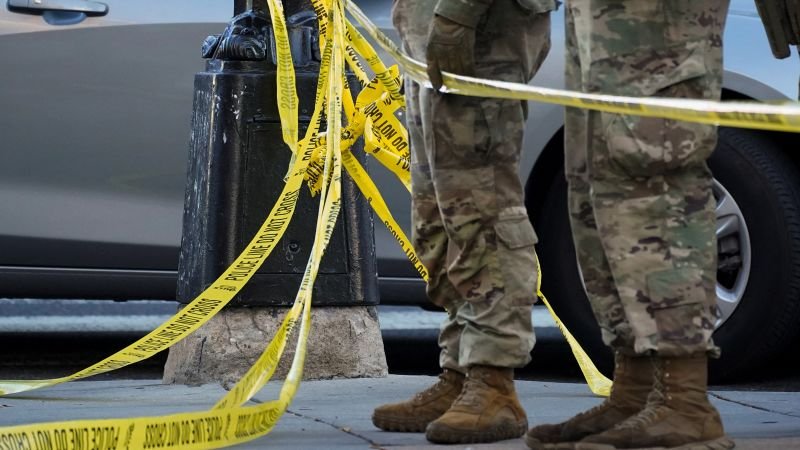
On November 28, 2025, the targeted shooting left two National Guard members wounded, prompting immediate media coverage and an outburst from Trump, who criticized Biden for what he termed irresponsible immigration policies. Arguing that the Afghan suspect, Rahmanullah Lakanwal, was among countless individuals allowed entry without adequate screening, Trump has called for a renewed focus on security protocols.
The Complexity of Lakanwal’s Background
However, investigators have painted a more intricate picture of Lakanwal’s history. Previously working with the CIA in Afghanistan, he underwent numerous vetting processes starting in 2011 and culminating with his permanent asylum approval earlier this year. The investigation into his motives remains ongoing, but concerns about the U.S. withdrawal from Afghanistan and the speed at which evacuees were brought into the country have resurfaced.
Varying Opinions on Vetting Protocols
While some Trump officials argue that the breakdown in vetting procedures is directly linked to the shooting, others maintain that Lakanwal’s case is not representative of systemic failures. Shawn VanDiver, president of AfghanEvac—a nonprofit aiding Afghans resettling in the U.S.—stated, “We don’t think this is a vetting issue,” emphasizing the thoroughness of the screening process many Afghans underwent.
The Vetting Process: A Two-Part Examination
Lakanwal was not just “let in” without scrutiny. His initial vetting by the CIA included comprehensive checks against databases such as the National Counterterrorism Center (NCTC) to ensure no ties to terrorist organizations. A decade later, during the U.S. withdrawal from Afghanistan, he was once again subjected to rigorous vetting protocols.
However, intelligence obtained from allies in subsequent years has raised concerns about the thoroughness of vetting processes for Afghan and Central Asian nationals.
Rising Concerns Post-Withdrawal
The urgency surrounding the U.S. withdrawal in 2021 led to bipartisan worries about the speed of the screening process. With more than 190,000 Afghans admitted into the U.S. under programs for those who assisted American efforts during the two-decade conflict, the pressure to evacuate quickly has prompted questions about identification verification.
Statistics and Safety Concerns
In an audit by the Justice Department, it was found that while proper procedures were established, the immediate urgency of the evacuation may have compromised thoroughness. This has left many U.S. security officials uneasy, particularly due to rampant reports of fraudulent documents and connections to individuals with potential ties to terrorist organizations.
Responses to the Shooting and Leadership Moves
In response to the shooting, Trump proposed a broader immigration crackdown, aiming to reevaluate the green card status of foreign nationals from various countries. During a video address from his Mar-a-Lago residence in Florida, he stated, “We must take all necessary measures to ensure the removal of any alien from any country who does not belong here or add benefit to our country.”
Trump’s Proposals for Review
On November 30, the Biden administration announced intentions to reexamine all green cards issued to individuals from 19 "countries of concern." This scrutiny includes reviewing cases of those granted asylum under the Trump administration and aims to bolster national security measures.
Conclusion: Navigating A Complex Situation
As investigations continue into the D.C. shooting, it is clear that the issues surrounding national security, immigration policy, and vetting procedures are multi-faceted and deeply intertwined. With competing narratives about the efficiency of screening processes and urgent calls for reform from several leadership figures, the conversation surrounding who is allowed into the U.S. remains crucial.
For those seeking further information on immigration for Afghan nationals and ongoing U.S. policies, visit the Department of Homeland Security and FBI websites for updates and insights into current security measures and reforms.
