


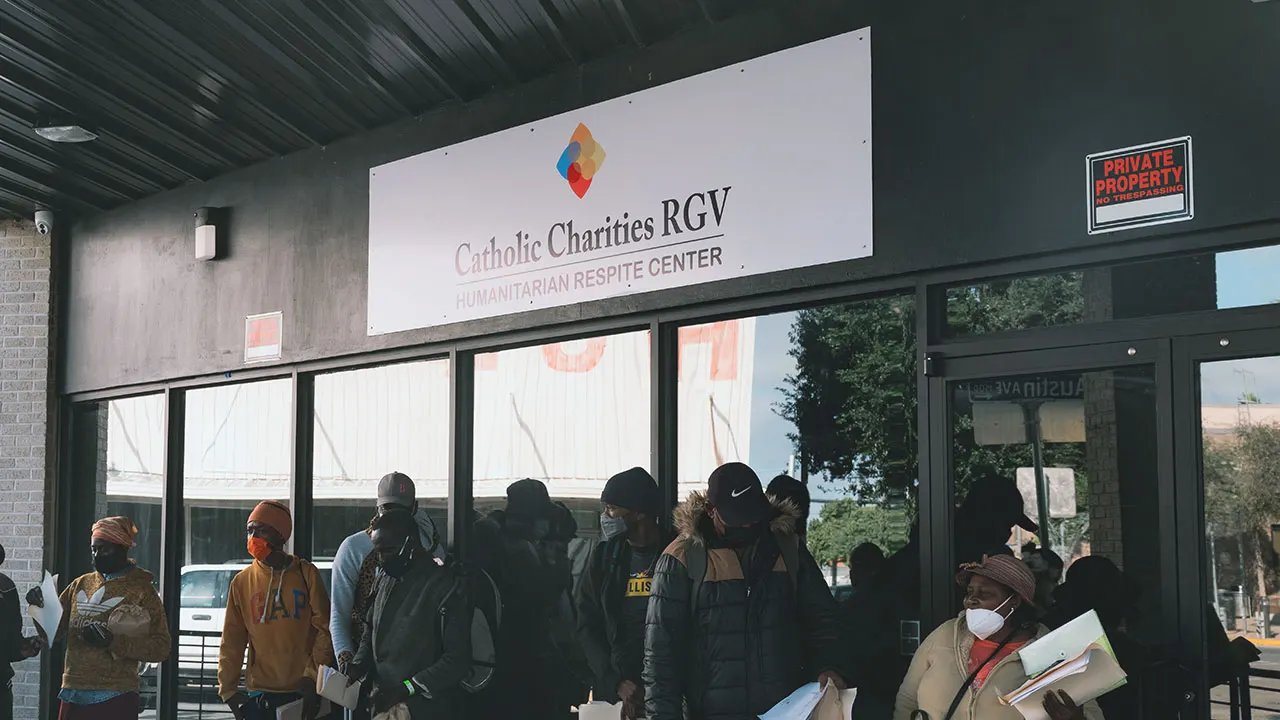
Catholic Charities of the Rio Grande Valley Faces Federal Funding Suspension
Catholic Charities of the Rio Grande Valley (CCRGV), a prominent nonprofit in South Texas known for supporting migrants under the leadership of Sister Norma Pimentel, is facing a significant suspension from federal funding. The Department of Homeland Security (DHS) has launched a six-year debarment following an investigation that revealed extensive grant violations.
Details of the Suspension
On November 19-20, the Federal Emergency Management Agency (FEMA), acting on behalf of DHS, issued a Notice of Suspension and Proposed Debarment. This follows multiple audits and warnings that highlighted serious discrepancies, including gaps in migrant records and billing for services beyond federally permissible timeframes.
Concerns Over Migrant Data Accuracy
The allegations against CCRGV are serious. DHS investigators pointed out that the organization submitted inconsistent migrant data, which made it impossible to verify if those served were present in DHS databases. This raises significant questions about the transparency and integrity of the data provided to justify millions of dollars in federal funding.
Investigators also noted that at least 248 instances existed where Catholic Charities billed for services outside the federal 45-day limit after migrant release from DHS custody, potentially leading to “criminal activity” concerns.
Pattern of Noncompliance
The decision for a six-year debarment is unusual, as federal suspensions typically last for three years. However, DHS cited a consistent pattern of "pervasive" issues across multiple programs over several years. FEMA’s findings showed alarming error rates in data submissions, with reports citing inaccuracies as high as 42% across various spreadsheets. In fact, when testing names from the records, FEMA could not locate 61 out of 100 individuals in DHS databases.
Impact on Services and Future Operations
If the debarment is finalized, CCRGV would lose access to critical federal funding sources, essentially cutting it off from most federal awards and flagging the organization in the government’s System for Award Management. This could have severe implications for the organization’s ability to support migrants and refugees in the region.
The nonprofit now has a 30-day period to respond to the proposed debarment, during which it can submit documentation or request a meeting to argue for its continued eligibility for federal funds. If it fails to act within this timeframe, the suspension could take effect, further complicating the already challenging situation for migrants in South Texas.
Internal Audits Raise Red Flags
FEMA’s audits even pointed to "material weaknesses" within CCRGV’s internal controls over federal awards. Reports indicated inconsistent intake procedures and missing documentation for about 5% of the sampled recipients. Moreover, the agency discovered that corrective action plans appeared to be repeated almost verbatim year after year, without significant improvements.
External Pressures and Political Context
The organization, while regarded as a pillar of support for many, is facing external political pressures as well. Texas Attorney General Ken Paxton has previously challenged various Catholic charities, accusing them of facilitating illegal immigration and mismanaging funding. This scrutiny adds another layer of complexity, as CCRGV navigates both federal and state investigations simultaneously.
Sister Norma Pimentel has long been a highly visible advocate for migrant rights, and her Humanitarian Respite Center in the Rio Grande Valley processed over 1,500 migrants daily during peak times. Critics argue, however, that the organization’s operational integrity must be reexamined in light of these findings.
The Future of Catholic Charities RGV
The pending suspension and potential debarment have placed CCRGV’s operations in a precarious situation. While the nonprofit continues to serve migrants currently, it cannot receive new federal awards until the debarment issue is resolved. It remains unclear whether local shelters and municipal partners can absorb the caseload if CCRGV loses its federal support.
As investigations remain ongoing, it will be essential to monitor how this situation develops and impacts the migrant population in the region. The announcement serves as a reminder of the importance of transparency and accountability in organizations that rely heavily on federal funding for their critical social services.
For more updates on this situation and related topics, refer to sources like Fox News and DHS.
