


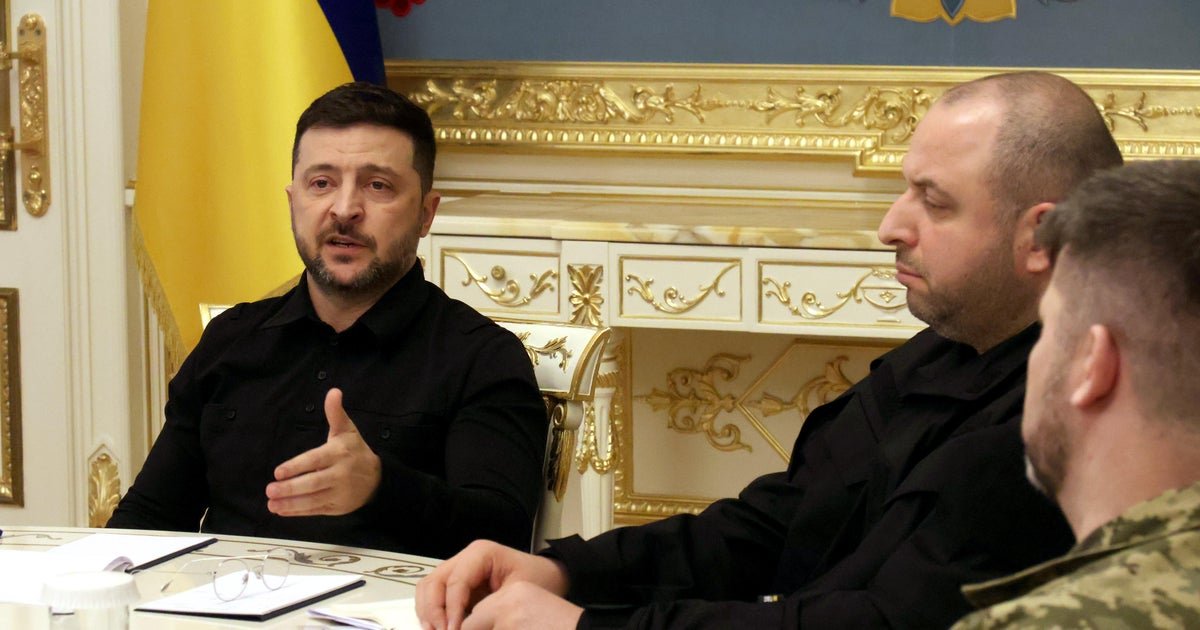
Ukraine and U.S. Reach Preliminary Agreement on Peace Deal Amid Ongoing Conflict with Russia
In a significant development, a U.S. official announced that Ukraine’s government has tentatively accepted a peace agreement facilitated by the Trump administration, designed to halt Russia’s aggressive campaign lasting nearly four years. The details of this agreement are still being finalized, marked by optimism from both Ukrainian and American officials.
Understanding the Agreement
Ukraine’s National Security Adviser, Rustem Umerov, expressed hope that President Volodymyr Zelenskyy could travel to Washington by the end of November to finalize the deal. Previous discussions about a potential visit this week had already been on the table, indicating momentum in the negotiations.
Umerov stated, "The Ukrainians have agreed to the peace deal," emphasizing that only minor details need resolution. This announcement follows a series of discussions involving key players in the conflict, including U.S. Army Secretary Dan Driscoll, who was in Abu Dhabi meeting with Russian officials.
Context of the Talks
The conditions of the proposed peace deal, however, remain undisclosed. Umerov conveyed that Ukraine has adhered to the "core terms" discussed, amidst ongoing dialogues that include U.S., Ukrainian, and Russian officials—albeit not all in the same room at once.
Veteran Russian Foreign Minister Sergey Lavrov acknowledged the U.S. initiative but stated that Russia operates on a professional basis, withholding comments until formal agreements are established. He also indicated that Russia expects communication regarding the outcomes of the U.S.-Ukraine discussions in the near future.
Progress in Negotiations
Umerov took to social media, outlining that negotiators had reached common ground on critical aspects of the agreement, following productive discussions held in Geneva. He conveyed anticipation for stronger collaboration with European partners and reiterated the desire for a swift visit from President Zelenskyy to the U.S.
In the meantime, a U.S. military official in Abu Dhabi confirmed that Driscoll engaged in extensive negotiations with Russian representatives. Sources conveyed a sense of cautious optimism, citing the progress made in the talks.
Broader Implications of the Agreement
The apparent advances in Abu Dhabi are part of a broader initiative by the Trump administration to secure a ceasefire amid the ongoing Russia-Ukraine conflict. According to reports, Driscoll is working with a revised version of a 28-point proposal initiated by the White House, following constructive dialogues in Geneva earlier this month.
The Geneva meetings included prominent figures such as Secretary of State Marco Rubio, Trump’s envoy Steve Witkoff, and notable diplomats from Ukraine and European nations. The outcomes from these discussions are pivotal in shaping the peace framework.
A draft of this framework was previously leaked, revealing contentious clauses that involve Ukraine potentially ceding its entire Donetsk region and halting its aspirations to join NATO, demands which Zelenskyy has previously dismissed.
Security Guarantees
Alongside the peace proposal, U.S. officials are also preparing a document that outlines security guarantees, akin to Article 5 of the NATO treaty—committing allied nations to come to the aid of member states under attack. This aspect could be crucial in assuring Ukraine’s sovereignty as negotiations progress.
Recently, NATO members and other U.S. allies publicly called the peace proposal “a basis which will require additional work.” The White House subsequently confirmed that U.S. and Ukrainian officials have drafted an updated framework based on insights from the Geneva discussions.
Future Steps
While the pressure is mounting for Zelenskyy to finalize a peace agreement by Thanksgiving, U.S. officials have indicated that this timeline remains flexible. A source familiar with the negotiations disclosed that Russian President Vladimir Putin might believe he could take control of the Donetsk region—either through negotiations or military action. Current assessments from U.S. officials suggest that Russia’s advances in key locations, such as the eastern frontline city of Pokrovsk, could signal troubling signs for Ukraine’s defensive efforts.
Conclusion
As negotiations continue, the international community watches closely, hoping for a peaceful resolution to a conflict that has had lasting implications for Ukraine and the region at large. As both sides remain engaged in talks, the outcomes of upcoming meetings will be crucial in determining the future landscape of Ukraine and its path to stability.
For ongoing updates and detailed coverage, it is imperative to stay informed through credible news sources.
