


Pauline Hanson’s Burqa Stunt Sparks Controversy: Emphasizing Bodily Autonomy
Introduction
In a recent incident that has sparked national debate, Multicultural Minister Anne Aly addressed a controversial burqa stunt orchestrated by One Nation leader Pauline Hanson. The incident raises questions surrounding respect for cultural practices and women’s rights in Australia, while underscoring the importance of bodily autonomy.
The Incident
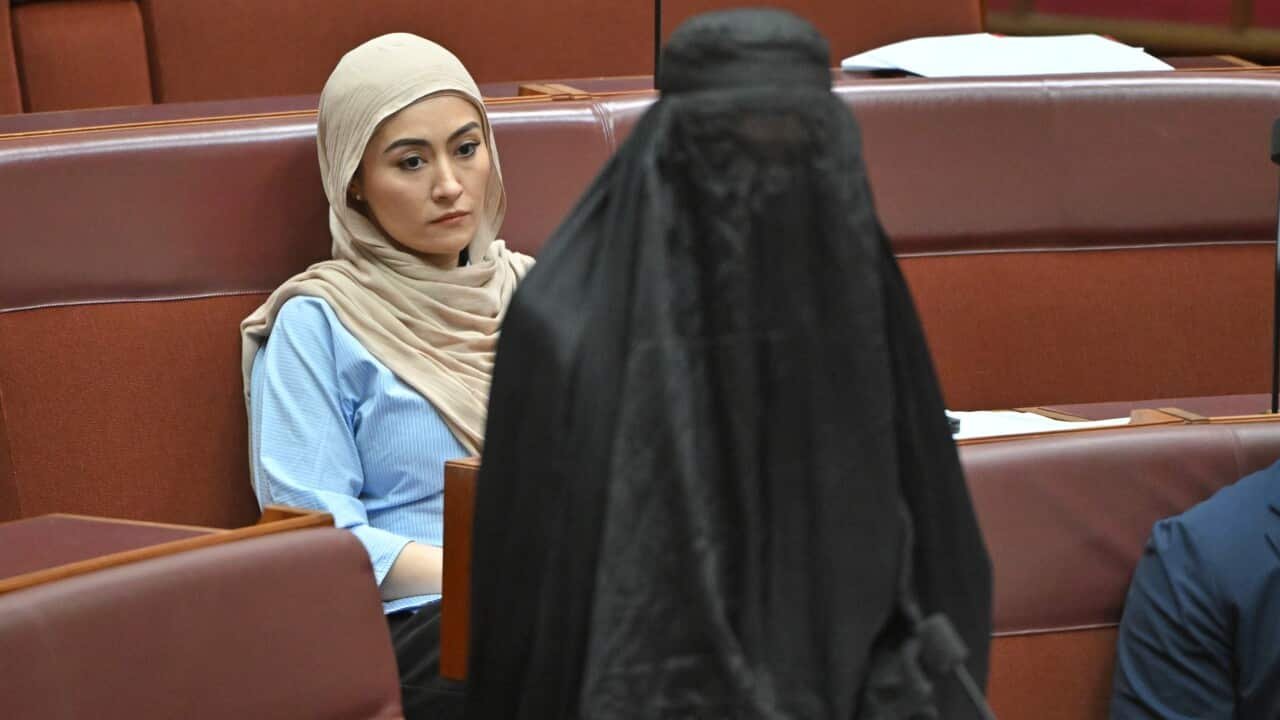
On a Monday afternoon in the Senate, Pauline Hanson attempted to put forth a motion that sought to ban the burqa, a head-to-toe covering commonly worn by some Muslim women, particularly in Afghanistan. Although her motion was ultimately not permitted, Hanson made a dramatic entrance into the Senate chamber wearing a black burqa, with her legs visible, much to the outcry of other Senators who expressed their disapproval.
Anne Aly’s Response
Shortly after the event, Anne Aly expressed her disappointment during an exclusive interview with SBS News. She emphasized that Hanson’s actions disrespected a small minority of women who choose to wear the burqa, stating that "it’s a very, very, very small minority of women who wear a burqa."
The Importance of Choice
Aly highlighted the importance of choice in women’s clothing, stating, "Most Muslim women who choose to cover wear a hijab, and there are many women like me who choose not to cover. The important thing is choice." She further elaborated, asserting, "Women should be allowed and afforded the bodily autonomy to wear what she wants to wear, whether that’s a bikini or a burqa." This sentiment encapsulates a significant aspect of contemporary discussions on women’s rights and body autonomy.
Political Repercussions
Following the incident, public reactions from various Senators reflected strong dissension regarding Hanson’s actions. Many labelled her stunt as "unacceptable" and criticized her for exploiting genuine community concerns for political gain. Aly accused Hanson of preying on serious issues like housing affordability and the cost of living to boost her political standing.
Senators Outraged
The chamber erupted in outrage. Greens Senator Mehreen Faruqi, who is Muslim, denounced Hanson’s behavior as racist, framing it not as a legitimate matter of dress code but as an act of blatant racism and Islamophobia. Senator Fatima Payman, also a Muslim, criticized the stunt as disgraceful and disrespectful to the Muslim community, reinforcing the notion that such actions perpetuate discrimination.
Senate Reactions
As the uproar continued, Senate President Slade Brockman allowed the vote to proceed despite the vehement objections from various senators. Faruqi’s and Payman’s calls for consequences emphasized that racism should have no place in parliamentary proceedings.
Eventually, after recognizing the increasing chaos, Senate President Sue Lines directed Hanson to leave the chamber for her disrespectful behavior. However, Hanson declined to comply, leading to further complications.
Aftermath
Following Hanson’s ejection, she claimed that the Australian Parliament had stifled her right to introduce a bill on banning the burqa. “What they’ve done is shut down the Australian people having the right to have their say,” she stated, reinforcing her perspective that the burqa presents security concerns and infringes on women’s rights.
Responses from Opponents
Political responses to Hanson’s stunt varied, with Opposition Leader Sussan Ley describing the act as one that "weakens Senator Hanson’s case and cheapens our Parliament." Additionally, conservative senator Matt Canavan labeled the incident as "inappropriate" and ultimately counterproductive to fostering respectful dialogue around multicultural issues.
Conclusion
The unfolding drama from the Senate serves as a potent reminder of the complexities surrounding cultural practices and the ongoing discourse about women’s rights. Anne Aly’s stance emphasizes the necessity of bodily autonomy, urging that the ability to choose one’s attire is paramount. As discussions around this event continue, it remains crucial for Australian society to critically engage with the implications of such political maneuvers on community cohesion and national identity.
For further reading on issues of cultural respect and women’s autonomy, consider exploring relevant articles and research from sources like the Australian Human Rights Commission or the United Nations.
This article is designed to provide an informative overview of the incident while also ensuring optimal readability and SEO practices.
