


The Impact of Immigration Policies on Health Care Access in the Rio Grande Valley
The Struggles of Immigrants in Texas
In the picturesque landscape of the Rio Grande Valley, tucked away behind busy strip malls and bustling markets, lives a community grappling with a significant challenge: access to healthcare amidst rising fears of immigration raids. Here, families have settled for generations—some legally, others not—creating a mosaic of cultural resilience and struggle. This article delves into the intricate connection between immigration policies and the health outcomes of a vulnerable population.
Juanita’s Story: A Mother’s Dilemma
Juanita, a 41-year-old mother originally from Mexico, exemplifies the fear many immigrants face today. Having lived in the U.S. for over twenty years, she’s woven into the social fabric of the Valley. However, a recent warning from her husband about immigration enforcement officers near a pharmacy left her terrified. As a prediabetic, she relies on medications essential for her health and the well-being of her family, including her 17-year-old daughter who has Down syndrome. “If I am caught, who’s going to help my daughter?” she questions, a sentiment echoed by many in her community who are silenced by fear (source).
The Broader Context: Heightened Enforcement
The current immigration climate is fraught with dread, particularly since the Trump administration intensified its efforts to deport immigrants. Aiming to remove up to 1 million individuals by year-end, federal agents have been leaving no stone unturned, not even healthcare facilities. Hospitals and community centers are under scrutiny, and as a result, many in the population avoid seeking necessary medical treatment, fearing detention (source).
A Community at Risk: Health Implications
In the Rio Grande Valley, a region marked by poverty and poor health outcomes, the consequences of these policies are dire. Nearly half of the population is classified as obese, with women facing higher rates of cervical cancer and seniors experiencing increased risks of dementia. Diabetes affects one in four residents, exacerbated by a healthcare system that often fails to provide adequate insurance coverage—approximately one-third lack any health insurance (source).
Dr. Stanley Fisch, a pediatrician in the area, underscores the seriousness of the situation, stating, “This is a very dangerous time for individuals. Their health is deteriorating as they skip appointments out of fear” (source).
Fear of Medical Facilities: A Rising Trend
Recent developments have led to a palpable change in how immigrants perceive healthcare. Patients like Elvia, who was shocked by her high glucose levels during a routine check-up, hesitate to provide personal information for fear of repercussions. Despite being a legal resident, the presence of undocumented individuals in her household makes her wary of enrolling in Medicaid, highlighting a chilling effect on patient enrollment in health programs (source).
Vulnerable Families: A Cycle of Fear
Maria Isabel de Perez, a permanent resident, recounts a harrowing experience when her son delayed seeking treatment for abdominal pain due to fears of being arrested at the hospital. “He couldn’t go until the appendix exploded,” she laments (source). This underscores the harmful consequences of a system that prioritizes enforcement over health, pushing families further into the shadows.
The Ripple Effect: Community Health Clinics Struggle
Local clinics, such as Holy Family Services in Weslaco, have also felt the brunt of this fear. Even those who once accessed regular care have retreated, unwilling to risk sharing personal data with the government. “We’ve noticed a significant decrease in visits,” remarks billing coordinator Elizabeth Reta, pointing to the impact of heightened immigration enforcement on community health (source).
The Need for Change: A Call to Action
With healthcare services dwindling and a community in distress, the need for a more compassionate approach to immigration and health policy has never been greater. Advocacy for legislative change is essential, aiming to provide a safety net for immigrants and ensure that healthcare accessibility is not sacrificed at the altar of enforcement.
Conclusion: A Collective Hope
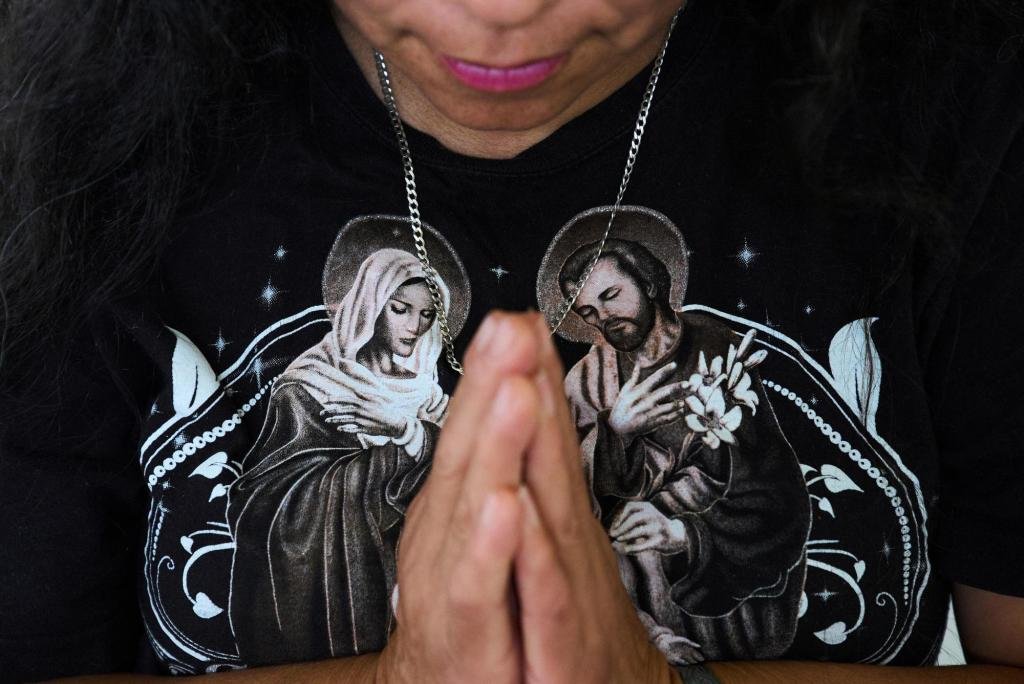
As Juanita prepares to navigate the complexities of obtaining her prescriptions, her faith remains a guiding force. “We always pray before we leave,” shares her 15-year-old son, Jose. In a community marked by resilience, there lies a profound hope for change—advocated through awareness, unity, and the relentless pursuit of justice for all (source).
For more information on healthcare access and the impact of immigration policies, explore resources from the Centers for Disease Control and Prevention and the American Public Health Association.
This article aims to reflect on current events and challenges faced by immigrants in the Rio Grande Valley while providing a comprehensive overview of health access issues. Through real stories and data-driven insights, it seeks to spark conversation and encourage community engagement.
