


Rising Mosquito Concerns Amidst Unprecedented Rainfall in the Rio Grande Valley
As the Rio Grande Valley grapples with significant rainfall leading to extensive standing water, health officials are increasingly alarmed about the potential rise in mosquito populations. Understanding how to manage this issue is crucial for public health and safety.
The Mosquito Lifecycle: A Quick Overview
Mosquitoes have a surprisingly short life cycle; typically, they live for about one week. However, during this brief period, they can pose serious threats to human health. According to experts, this rapid reproduction cycle means that populations can surge quickly, increasing the risk of mosquito-borne diseases.
The Breeding Grounds: Impact of Standing Water
The recent historic rainfall has left many homes submerged in puddles, creating ideal conditions for mosquitoes to breed. The Centers for Disease Control and Prevention (CDC) emphasizes that stagnant water can significantly boost local mosquito populations. It’s not just adult mosquitoes that are problematic; eggs laid in the ground can remain dormant for up to 10 years and hatch as soon as they encounter moisture.
The most concerning window for increased mosquito activity is approximately two weeks post-rainfall. This is when populations may explode, leading to heightened nuisance situations and potential health risks.
Health Risks Associated with Mosquitoes
Hidalgo County health officials, including Health Authority Dr. Ivan Melendez, are vigilant in monitoring mosquito-borne diseases like West Nile virus and Dengue Fever. Last year, Hidalgo County recorded seven infections, a statistic that emphasizes the pressing need for preventive measures.
Community Strategies for Control
To manage mosquito populations effectively, county officials collaborate with local government to conduct spraying in areas where mosquito counts are high. Dr. Melendez explains, “We spray Permethrin in areas with standing water and high mosquito concentrations to help reduce the population.” This coordinated effort aims to lessen the threat posed by these insects.
Preventing Mosquito Infestation: Your Role
Residents can take several proactive steps to reduce mosquito populations around their homes:
- Eliminate Standing Water: Even small collections of water, such as those found in discarded tires or flower pots, can serve as breeding sites. Ensuring you remove or resolve these collections is paramount.
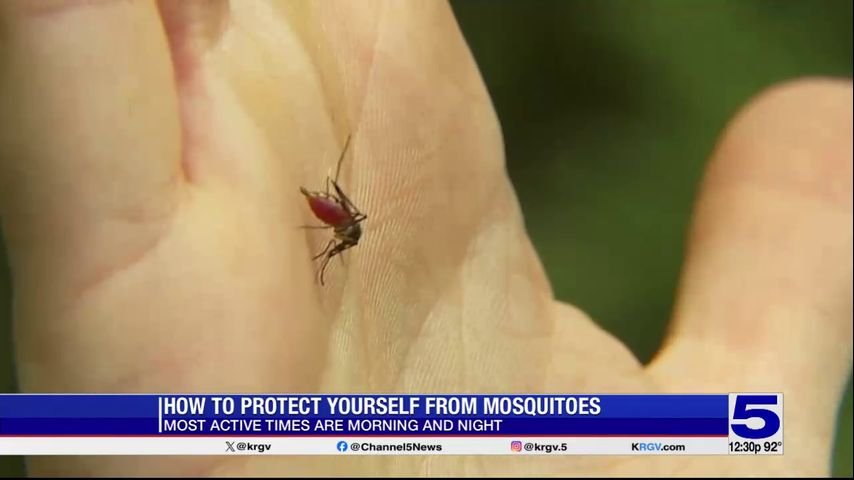
- Insect Repellents & Protective Clothing: Mosquitoes are most active during the early morning and late evening. Wearing long sleeves and applying insect repellent can significantly mitigate the risk of bites.
Learn More About Mosquito Control
For detailed information on how to control mosquito populations, visit the CDC’s official website. They provide comprehensive resources on the reproduction cycles of mosquitoes and suggestions for personal and community action.
Conclusion: Community Awareness is Key
As the weather continues to impact the Rio Grande Valley, community awareness and participation are pivotal in combating the mosquito threat. By taking simple preventive measures and staying informed about local mosquito activity, residents can protect themselves and their families from mosquito-borne illnesses. Remain vigilant, and don’t hesitate to reach out to local health authorities for guidance on best practices during this peak mosquito season.
