


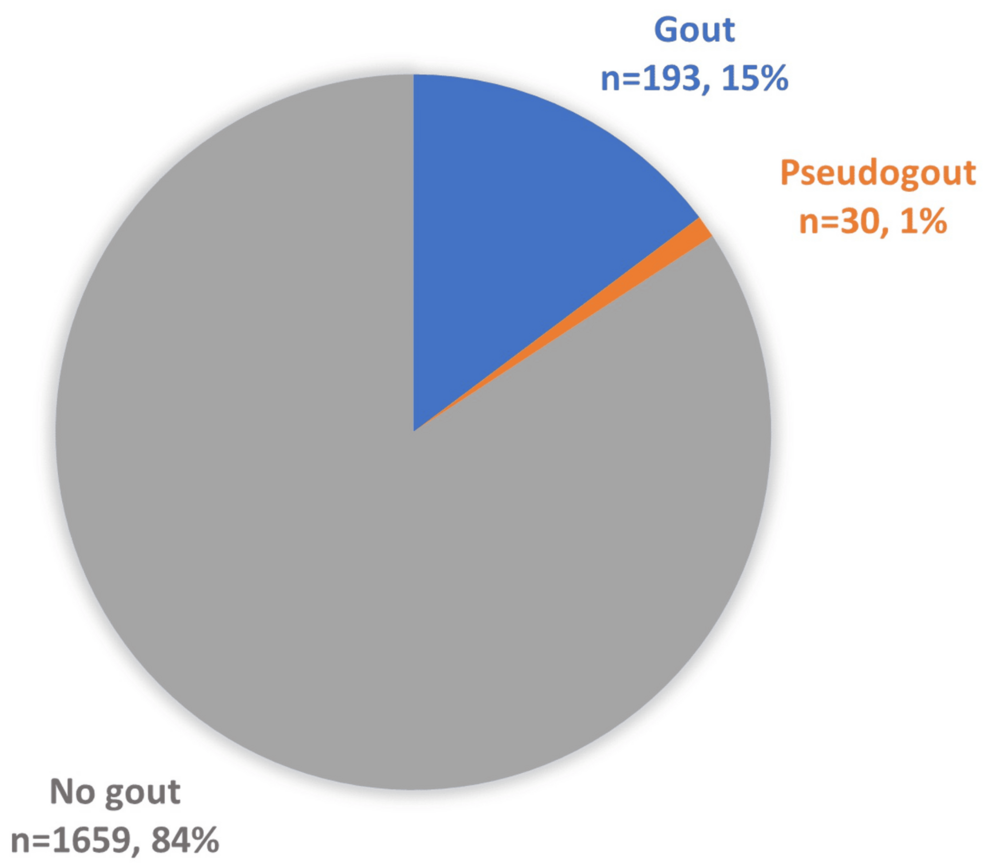
Gout Versus Pseudogout: Understanding Their Impact in the Rio Grande Valley
The Rio Grande Valley, a region characterized by its diverse culture and rapidly growing population, faces a unique healthcare challenge—gout and pseudogout. Understanding the distinctions between these two conditions is crucial for effective diagnosis and treatment, particularly in medically underserved communities.
What is Gout?
Gout is a form of inflammatory arthritis caused primarily by the accumulation of uric acid crystals in the joints. It often manifests suddenly, leading to extreme pain and swelling, usually affecting the big toe. Gout is influenced by dietary choices, genetics, and the body’s ability to eliminate uric acid. Common lifestyle factors include:
- High Purine Diet: Consuming foods rich in purines, such as red meat, shellfish, and sugary beverages, can lead to increased uric acid levels.
- Obesity: Excess weight can elevate uric acid production and reduce its elimination.
- Dehydration: Insufficient fluid intake concentrates uric acid levels, increasing the risk of crystal formation.
For further details on gout, you can visit Arthritis Foundation.
What is Pseudogout?
Pseudogout, while exhibiting similar symptoms to gout, is caused by the deposition of calcium pyrophosphate dihydrate (CPPD) crystals in the joints. Although pseudogout can occur in younger individuals, it is more frequently observed in older adults. The symptoms may include:
- Joint Swelling: Affected joints may become swollen, red, and warm.
- Pain During Movement: Moving the affected joint can intensify pain.
To learn more about pseudogout, consider checking the resources available at Mayo Clinic.
Key Differences Between Gout and Pseudogout
Though they share many similarities, gout and pseudogout have distinct characteristics:
1. Causes
- Gout is primarily linked to uric acid, while pseudogout is caused by calcium pyrophosphate crystals.
2. Age Factor
- Gout often affects younger adults, typically between the ages of 30 and 50. In contrast, pseudogout tends to occur in individuals over 60.
3. Joint Involvement
- Gout usually affects the big toe but can impact other joints as well. Pseudogout frequently involves the knees or wrists.
4. Diagnosis
- Blood tests can help confirm gout by checking uric acid levels. Pseudogout diagnosis typically involves analyzing joint fluid for CPPD crystals.
5. Treatment Options
- Both conditions can be managed with anti-inflammatory medications. However, addressing underlying issues, such as diet and medication compliance, is essential for gout management.
For a deeper understanding of treatment options, the American College of Rheumatology offers insights into current practices.
Gout and Pseudogout in the Rio Grande Valley
The Rio Grande Valley faces significant healthcare disparities, making conditions like gout and pseudogout particularly critical issues. With limited access to specialized care, many residents may struggle to receive accurate diagnoses and effective treatment.
Awareness and Education
Raising awareness about gout and pseudogout is vital. Community health initiatives that emphasize education on dietary choices, lifestyle changes, and symptom recognition can empower individuals within the region. Local clinics and hospitals can collaborate with national organizations to provide resources and information.
Healthcare Access Challenges
Many residents in the Rio Grande Valley lack access to comprehensive healthcare services. Addressing these disparities requires innovative strategies such as telemedicine, mobile clinics, and partnerships with community organizations.
Conclusion
Understanding the differences between gout and pseudogout is critical for residents of the Rio Grande Valley. Through increased awareness and improved access to healthcare, individuals can receive timely diagnoses and appropriate treatment. These efforts can significantly enhance the quality of life for those affected by these conditions.
References
By taking a proactive approach to education and healthcare access, communities can work towards effectively managing these debilitating conditions, enhancing overall well-being, and reducing the burden of disease in medically underserved populations.
