


Super Typhoon Fung-wong Hits the Philippines: A Comprehensive Overview
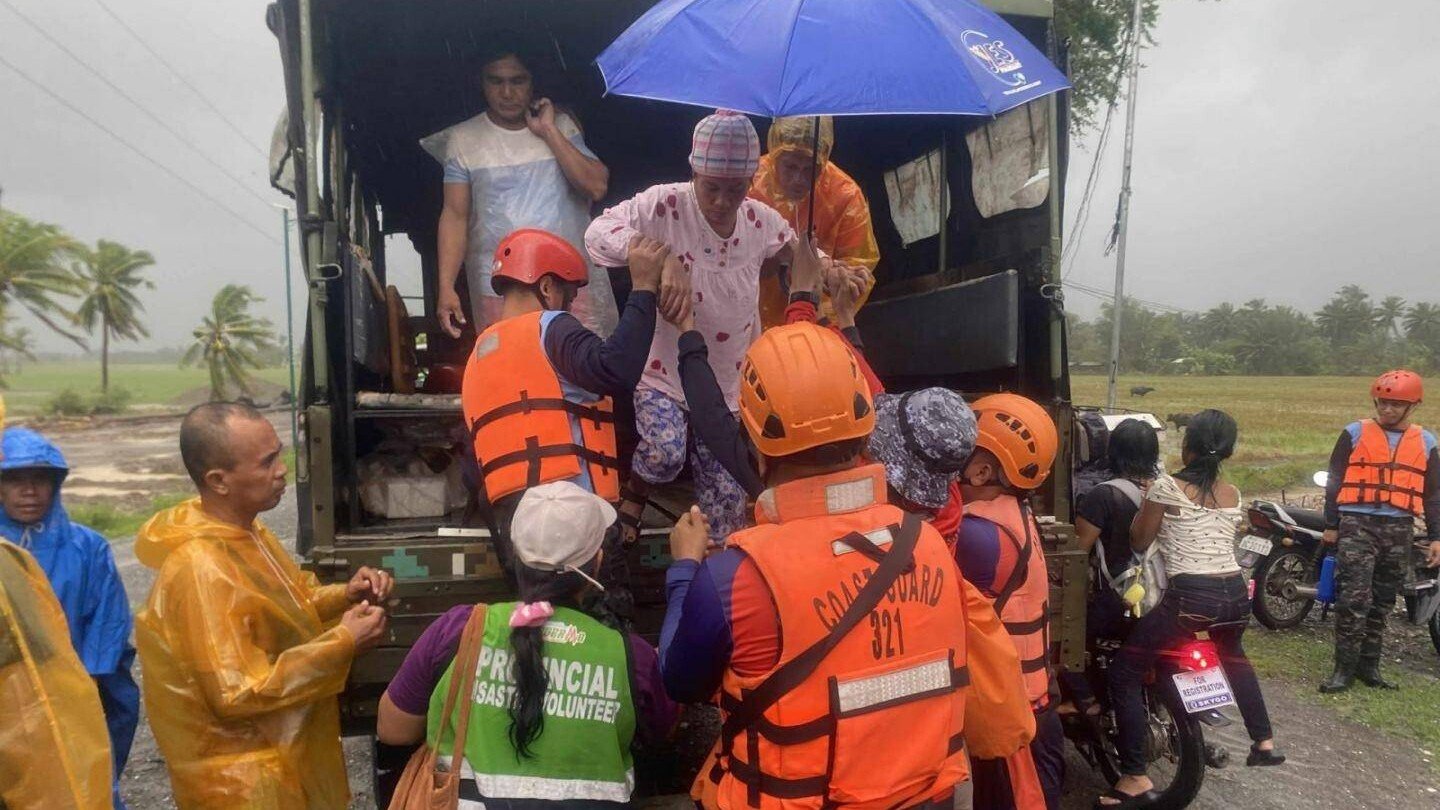
MANILA, Philippines (AP) — Super Typhoon Fung-wong swept through the northwestern Philippines on Monday, unleashing devastating floods and landslides, which resulted in power outages across entire provinces. The storm has tragically claimed at least four lives and displaced over 1.4 million people. Following its path of destruction, the typhoon is projected to move northwest towards Taiwan.
Impact of Typhoon Fung-wong
Fung-wong made landfall in northeastern Aurora province late Sunday night as a super typhoon, boasting sustained winds of up to 185 kilometers per hour (115 mph) and gusts reaching 230 kilometers per hour (143 mph). The 1,800-kilometer (1,100-mile) wide storm weakened significantly as it traversed the mountainous northern regions and agricultural plains before ultimately moving out into the South China Sea, according to state weather forecasts.
Casualties and Displacement
Reports indicate that at least four individuals have died due to the typhoon. In Catanduanes, one individual drowned amidst rapid flash floods, while another was tragically killed in Catbalogan city, Samar when her home collapsed. Additionally, a landslide in Nueva Vizcaya resulted in the deaths of two children, with their parents and sibling suffering injuries, according to town police chief Major Len Gomultim.
In anticipation of the storm’s arrival, over 1.4 million residents evacuated to emergency shelters or sought refuge with relatives. By Monday, approximately 318,000 individuals remained in evacuation centers, facing uncertain conditions as the weather continued to threaten their safety.
Flooding and Infrastructure Damage
The storm brought fierce winds and torrential rainfall, leading to flooding in at least 132 northern villages. Some residents found themselves stranded on their rooftops as floodwaters rapidly ascended. Damage assessments revealed that approximately 1,000 homes were compromised, and roads blocked by landslides are set to be cleared once the weather improves.
"Although the typhoon itself has passed, the heavy rains continue to pose risks in several areas, including metropolitan Manila," stated Bernardo Rafaelito Alejandro IV of the Office of Civil Defense. He assured that rescue and relief operations would be initiated promptly.
Government Response and Preparedness
In response to the extensive devastation caused by both Fung-wong and a preceding storm, Typhoon Kalmaegi, President Ferdinand Marcos Jr. declared a state of emergency. Kalmaegi had already taken a heavy toll on central provinces, leaving at least 224 dead and subsequently battering Vietnam, where an additional five fatalities were reported.
Tropical cyclones in the Philippines attaining sustained winds of 185 kilometers per hour (115 mph) or more are classified as super typhoons, underscoring the urgency of the situation. Authorities have suspended operations for schools and most government offices until further notice. Over the weekend, more than 325 domestic and 61 international flights were canceled, and over 6,600 commuters and cargo workers were stranded in ports due to a ban on maritime activity in rough seas.
The Philippines: A Disaster-Prone Nation
The Philippines faces the challenge of being one of the most disaster-prone countries in the world, with an average of 20 typhoons impacting the region each year. The nation is also vulnerable to frequent earthquakes and is home to more than a dozen active volcanoes.
As the country grapples with the aftermath of Typhoon Fung-wong, international assistance has been offered by close allies like the United States and Japan, although no formal request for aid has yet been made. With the ongoing climate crisis exacerbating extreme weather events, it remains critical for the Philippines to bolster its emergency preparedness and response strategies.
Conclusion
The situation remains dynamic as recovery efforts are underway, with disaster-response teams mobilizing to assist those affected. Continuous rainfall poses additional challenges, making the need for relief efforts even more urgent. As the nation works to rebuild in the wake of Typhoon Fung-wong and the residual impacts of Typhoon Kalmaegi, the focus remains on ensuring the safety and well-being of its citizens.
For continued updates on emergency management and typhoon preparedness, visit the AP News
and stay informed about the latest developments.
