


Severe Flooding Strikes South Texas: A Close Look at the Rainfall Crisis
Overview of the Weather Situation
RIO GRANDE VALLEY, Texas – In a dramatic turn of events, South Texas experienced heavy rainfall from Wednesday to Thursday, resulting in significant flooding in areas just south of San Antonio. While the region welcomed the rain, the intensity and volume of precipitation led to severe weather conditions, raising concerns among local officials and residents alike.
Class Cancellations and Travel Disruptions
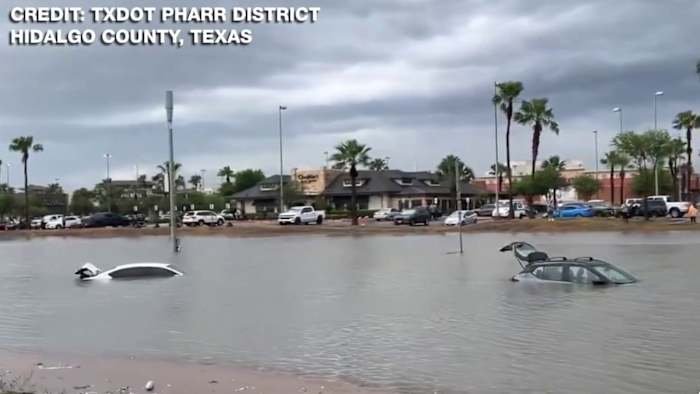
In light of the hazardous weather, multiple school districts and colleges across the Rio Grande Valley decided to cancel classes on Friday. The Texas Department of Transportation shared alarming images of vehicles stranded across Hidalgo County, with cities such as Donna, Weslaco, Pharr, San Juan, and McAllen bearing the brunt of the flooding.
Rescue teams sprang into action, responding to various flash flood emergencies, particularly on Thursday afternoon. These rare alerts were issued to inform residents about the perilous rise of water levels in their communities.
Causes Behind the Downpour
The prolific rainfall was mainly attributed to a low-pressure system that had developed in the Pacific Ocean. This system pushed moisture into the region, resulting in a slow-moving upper trough settling over northeastern Mexico. As this trough lingered, it continued to draw moisture from the Gulf of Mexico, allowing an abundance of humid air to concentrate over South Texas. Given the existing drought conditions in Deep South Texas and the Rio Grande Valley, dry soils struggled to absorb the excessive rainfall, elevating the risk of flash floods.
For more on atmospheric conditions impacting weather patterns, check this National Weather Service page.
Record-Breaking Rainfall Totals
In less than 48 hours, the area recorded nearly half of its average annual rainfall, prompting warnings and further school closures in anticipation of additional rain. The storm shattered multiple rainfall records across the region:
- McAllen: Received 4.96 inches, breaking a record set in 1999.
- Brownsville: Witnessed an astonishing 5.3 inches on Thursday, surpassing a record that stood since 1911.
- Harlingen: Recorded 3.72 inches, breaking a century-old record set in 1923.
According to the National Weather Service, an impressive 4.35 inches fell in McAllen alone from 1 p.m. to 4 p.m. Meanwhile, coastal areas like Port Isabel and Laguna Vista encountered as much as 7 inches of rain before dawn on Thursday. For further details on such weather phenomena, visit NOAA’s Climate page.
The Outlook: When Will the Rain End?
While forecasts indicate that heavy rains are expected to diminish by the weekend, additional moisture will likely continue to affect the area. The slow-moving upper trough will persist in pushing tropical moisture northward from Mexico, leading to lingering rain. Although the immediate crisis may be lessening, the aftermath of the storm will be felt across the region for days.
For updated forecasts and weather alerts in South Texas, check the KSAT Weather Authority.
Conclusion
The recent extreme weather in the Rio Grande Valley serves as a stark reminder of the volatile nature of climatic conditions and their capacity to impact daily life drastically. Residents are encouraged to stay informed and prepared for ongoing weather changes.
By understanding the factors contributing to such weather events and recognizing the potential dangers, communities can better equip themselves for future storms. Authorities will continue to monitor the situation closely, ensuring the safety and well-being of all residents.
Stay tuned for further updates and safety tips as the weather situation unfolds across South Texas.
