


The Impact of Federal Funding Cuts on Public Health Initiatives: A Closer Look
The intricate web of public health in the United States is increasingly threatened by substantial federal funding cuts. These reductions not only jeopardize vital health services but also compel state governments to make challenging choices that could undermine healthcare access for millions. In particular, areas like Texas’ Rio Grande Valley reveal the critical ramifications of these budgetary changes through events like Operation Border Health, which has been a lifeline for uninsured individuals in the region for over 25 years.
Operation Border Health: A Vital Resource
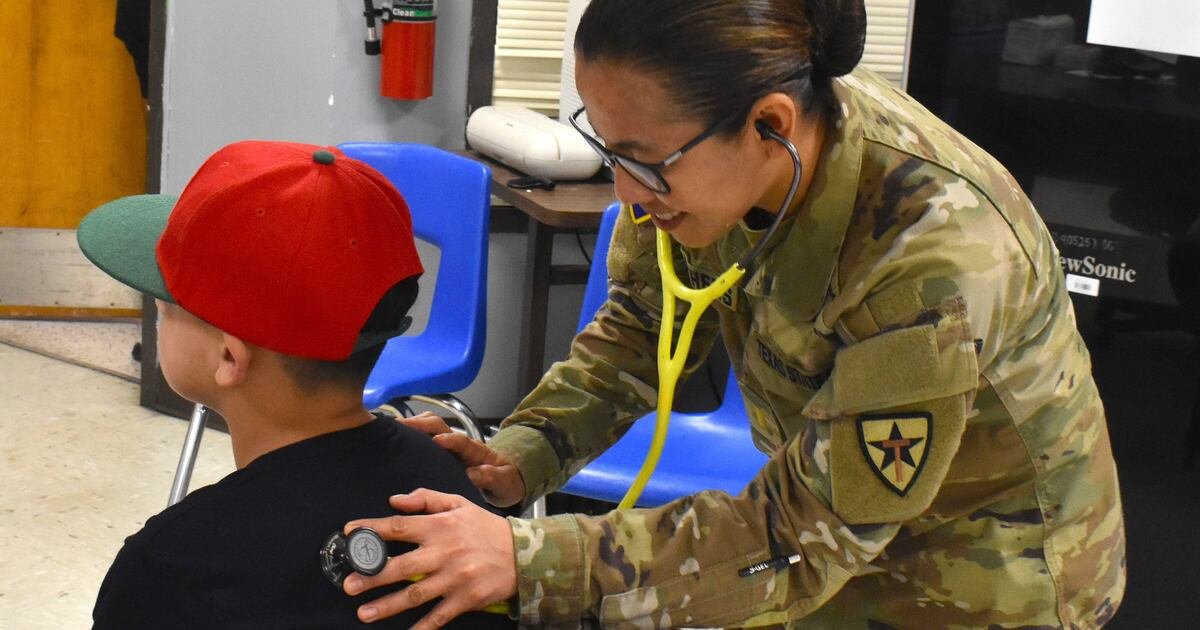
Every year, Operation Border Health draws people from across Texas, especially from the largely Latino and Hispanic communities, who often lack insurance. However, this year the event was recently cancelled due to the Trump administration’s proposed cuts of over $550 million in federal public health funding in Texas. These cuts, timed just days before the scheduled clinic would have opened, underscore the fragile nature of healthcare provisions in underserved communities. According to Dairen Sarmiento Rangel, Director of Hidalgo County Health and Human Services, the cancellation of such an essential resource leaves many residents without the healthcare services they rely on yearly.
The Broader Impact of Federal Funding Reductions
Public health programs across the nation are facing substantial deficits as federal funding continues to dwindle. States are now grappling with the immediate effects of these cuts while bracing for future financial hits stemming from legislation like the "One Big Beautiful Bill Act," which is expected to drastically alter healthcare funding landscapes.
In Texas, for instance, federal Medicaid funds could be curtailed by as much as $39 billion over the next decade. This significant loss arises from new enrollment barriers and more frequent eligibility checks, highlighting a seismic shift in how state health programs are funded and provided.
Economic Pressures and the Need for Cuts
The fiscal strain caused by declining tax revenues, combined with an ongoing slowdown in federal pandemic spending, is forcing state leaders to make difficult decisions. According to Wesley Tharpe of the Center on Budget and Policy Priorities, such pressures will inevitably lead to cuts in health services.
In response, states like Hawaii are attempting to mitigate the impacts of federal cuts by providing $50 million in grants to nonprofits that support health and social services. This funding aims to help organizations that are struggling due to funding cuts.
Specific State Responses to Funding Cuts
States are employing various strategies to adapt to the new funding realities. For example:
- Delaware recently halted plans for a Capitol complex expansion after losing $38 million in public health funding.
- New Mexico, which has the highest percentage of residents enrolled in Medicaid, is taking proactive measures by creating a trust fund to bolster funding for the Medicaid program.
- California lawmakers have acknowledged that efforts to protect existing health programs may be compromised due to federal cuts.
Anticipating Future Challenges
As the midterm elections in November 2026 loom close, states are beginning to sense the true extent of impending budgetary constraints. New York is anticipating $13 billion in annual cuts, resulting in significant challenges for healthcare provision. California lawmakers are also voicing concerns about how cuts will impact core social programs.
In addition, the Congressional Budget Office estimates that over 7.5 million Americans could lose their Medicaid coverage due to the passage of the recent federal spending law, which includes imposing new work requirements and other barriers.
Ongoing Legal Battles and Uncertainties
Despite these alarming developments, some states are taking legal actions to combat the funding cuts. A coalition of states has been involved in legal battles regarding the $11 billion clawback of federal public health funds related to the pandemic. These funds were intended for essential services like disease tracking and outbreak responses.
State leaders, including Medicaid specialists, indicate there’s confusion surrounding these cuts, leading to a strong demand for clarity and assistance in navigating the changes. States are forming advisory groups to track these federal changes more effectively.
Conclusion: The Future of Public Health
As public health programs continue to face monumental challenges, the implications of federal cuts will linger on for the foreseeable future. With state budgets under pressure and the potential for further cuts looming, the essential health services that keep communities functioning are at risk.
The situation highlights the importance of community resources like Operation Border Health, which addresses the immediate health needs of vulnerable populations. Only time will reveal how these funding cuts will shape the future of public health in America and the enduring fight for equitable healthcare access.
Stay informed about healthcare issues on a national level by subscribing to Healthbeat’s newsletter.
